Journal
Short, useful reading on Korean beef — the cuts, the fire, and how the table works.
The Beef
How fresh Hanwoo beef stays that way from delivery to the plate, and what a chilled display cabinet and cut-to-order butchery have to do with it.
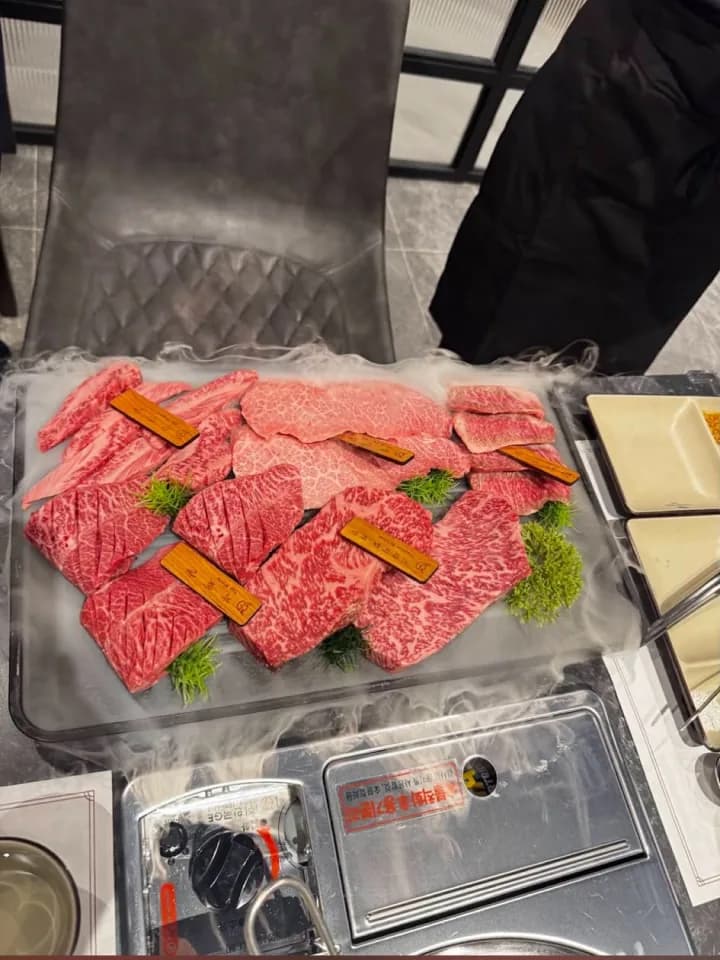
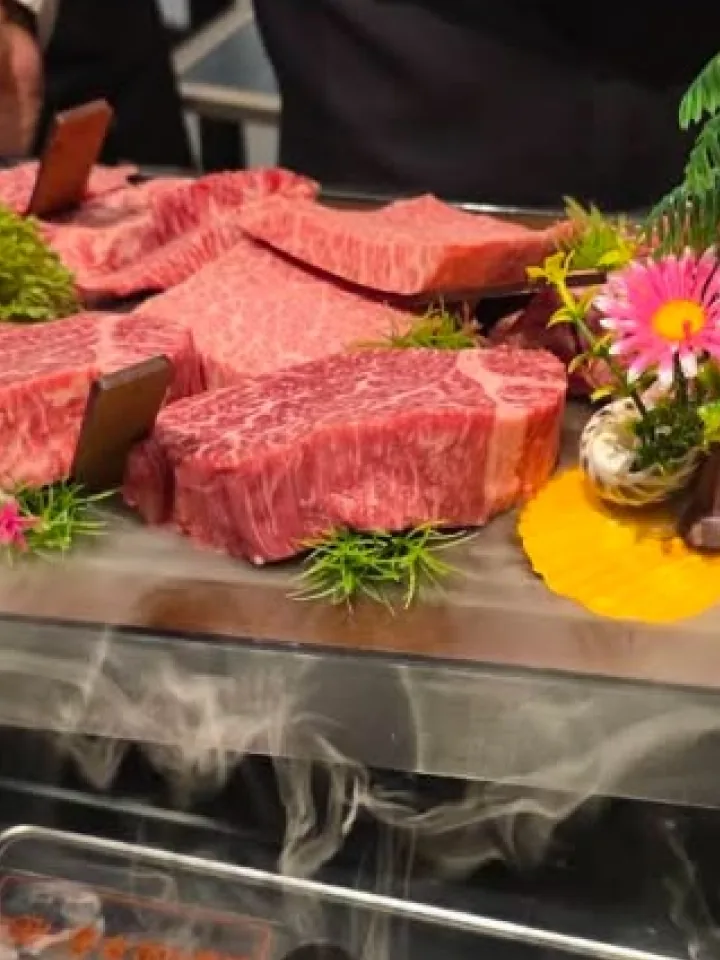
Why the chilled beef display cabinet at the entrance of a Korean BBQ restaurant is worth reading before you look at the menu.
How ordering works at a butcher-counter Korean BBQ restaurant, from choosing a cut to watching it cut to order before it hits the grill.
The Table
How to build a proper ssam wrap around a rich cut of grilled beef, from choosing the leaf to what goes inside it.
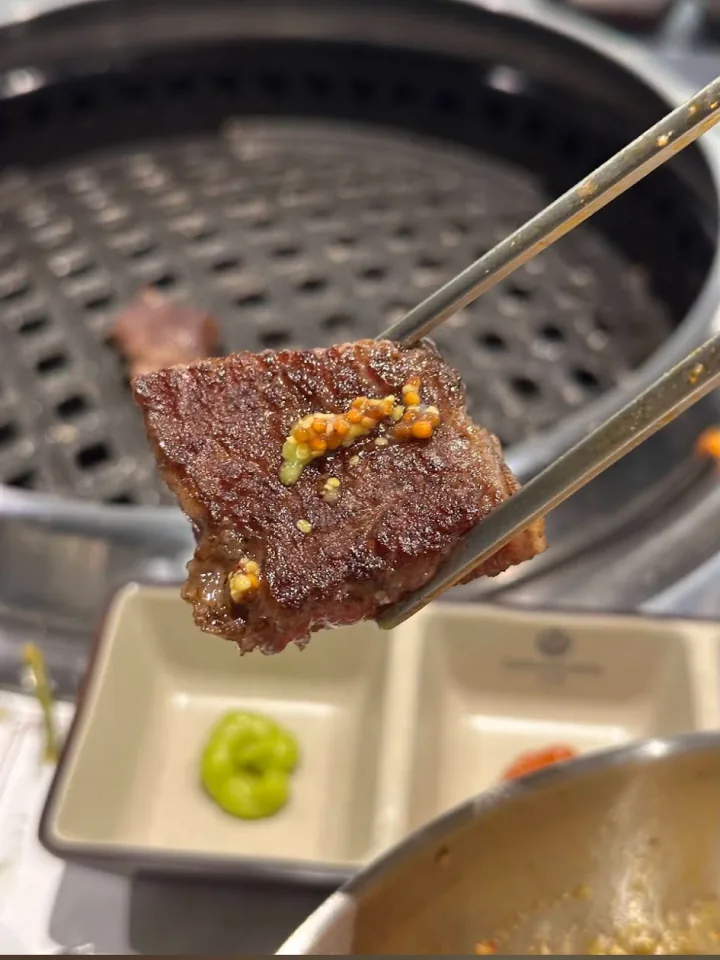
When a premium cut of Korean BBQ beef is better with just salt, and when it actually benefits from sauce, cut by cut.
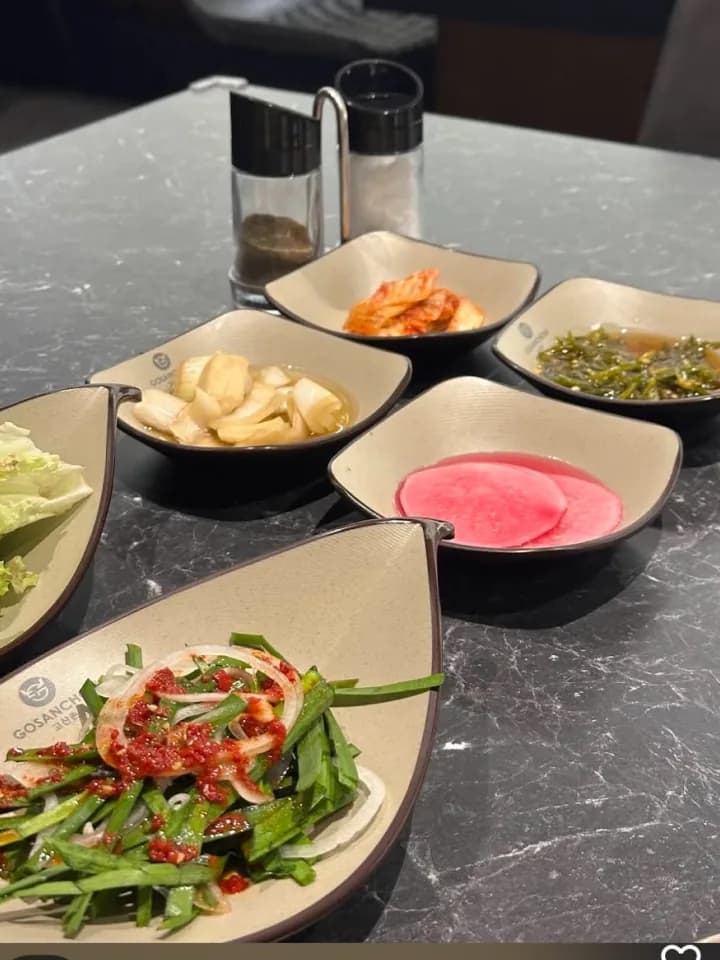
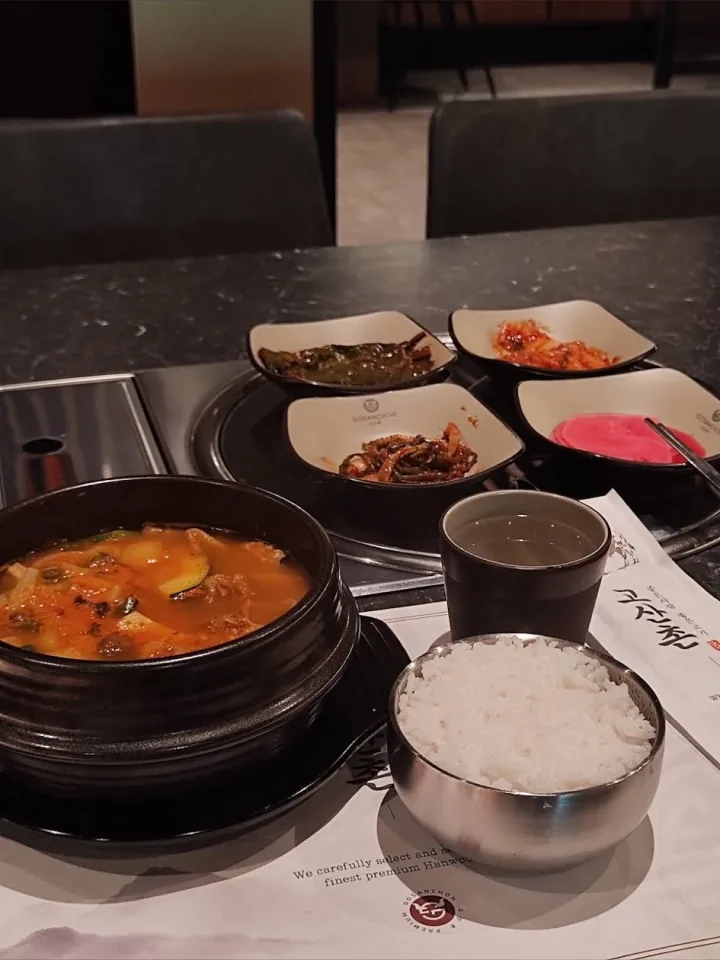
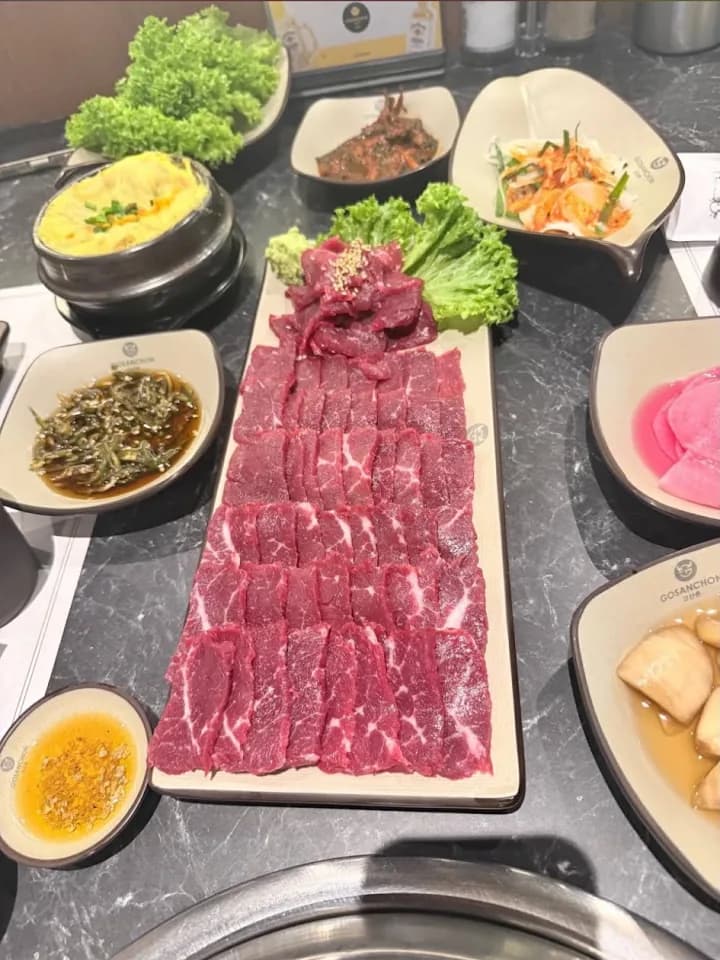
What banchan are, why Korean restaurants serve them unlimited, and how to use them alongside grilled beef rather than as an afterthought.
What actually drives the price of premium Hanwoo beef, from how the cattle are raised to how a restaurant handles the cut before it reaches you.
A practical guide to how much beef to order per person for a proper Korean BBQ dinner, and how to build an order in rounds.
What ssamjang, gireumjang and the other common Korean BBQ dips actually are, and which cuts of beef they're built to complement.
Six practical signs for choosing a Korean BBQ restaurant that takes its beef seriously, from the display cabinet to the grill itself.
The Fire
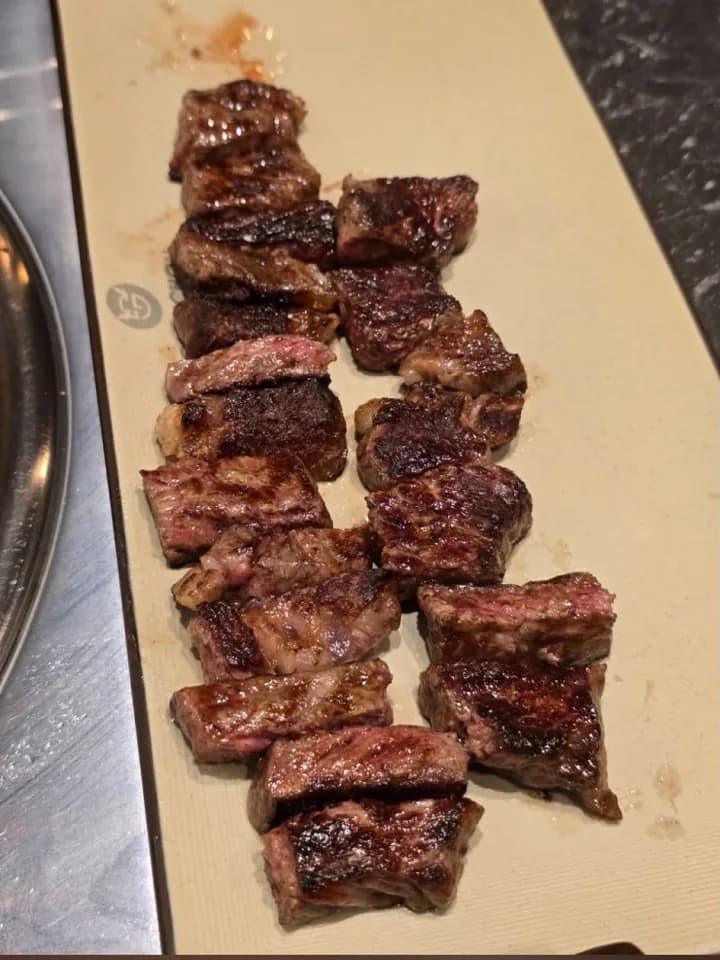
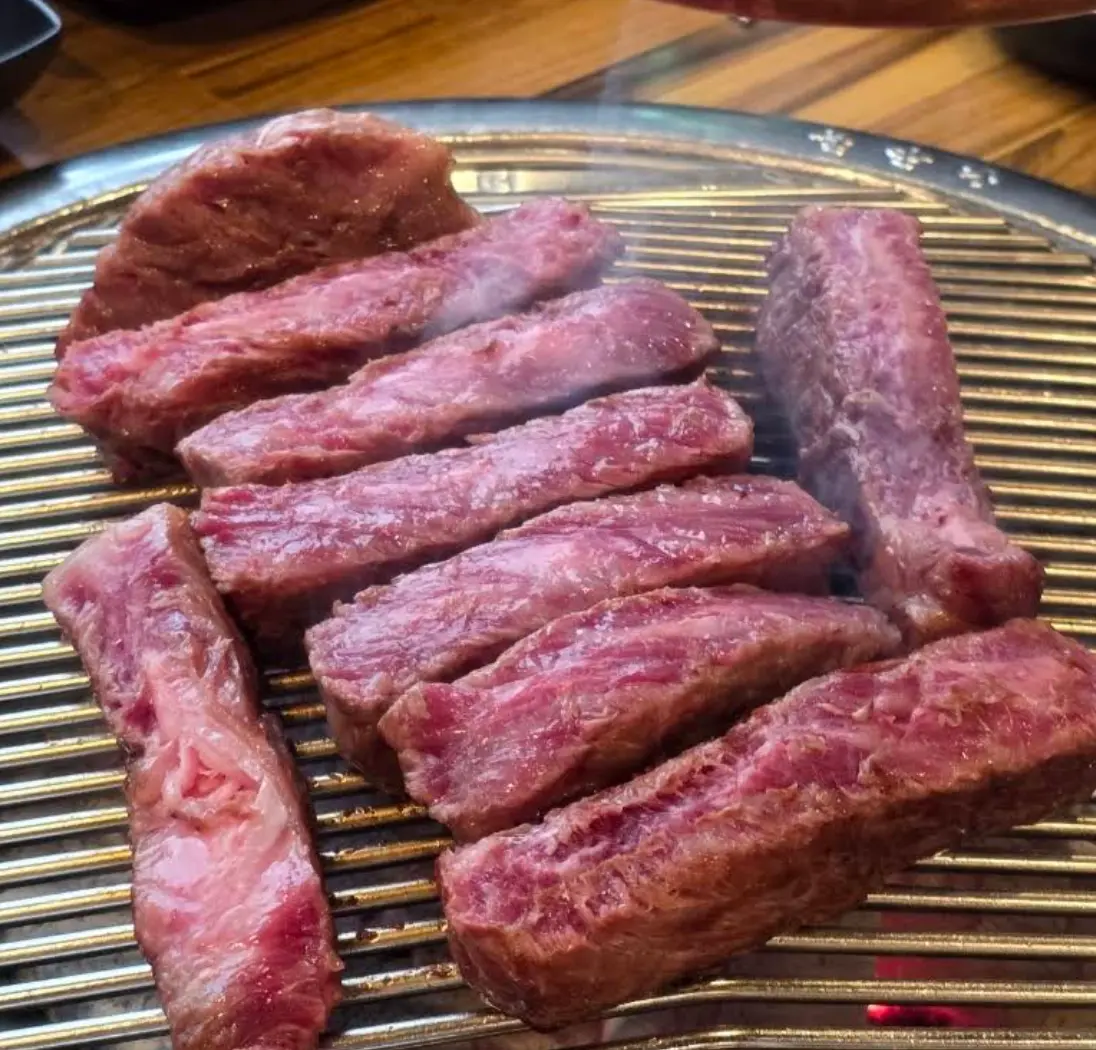
Why turning beef once instead of often builds a better crust, the logic behind Korean BBQ's one-turn rule.
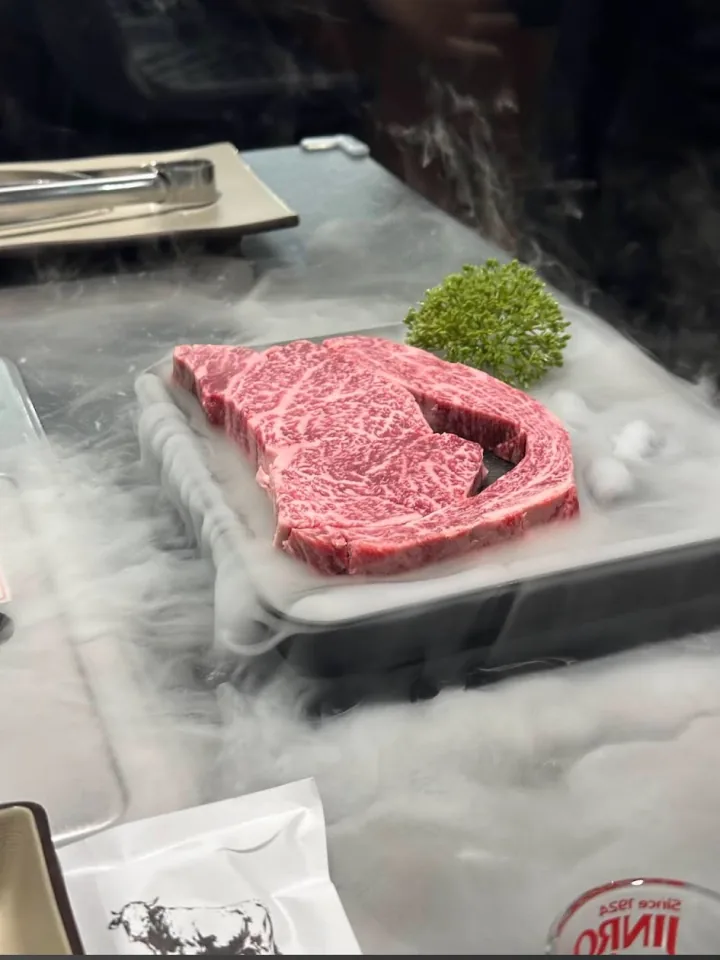
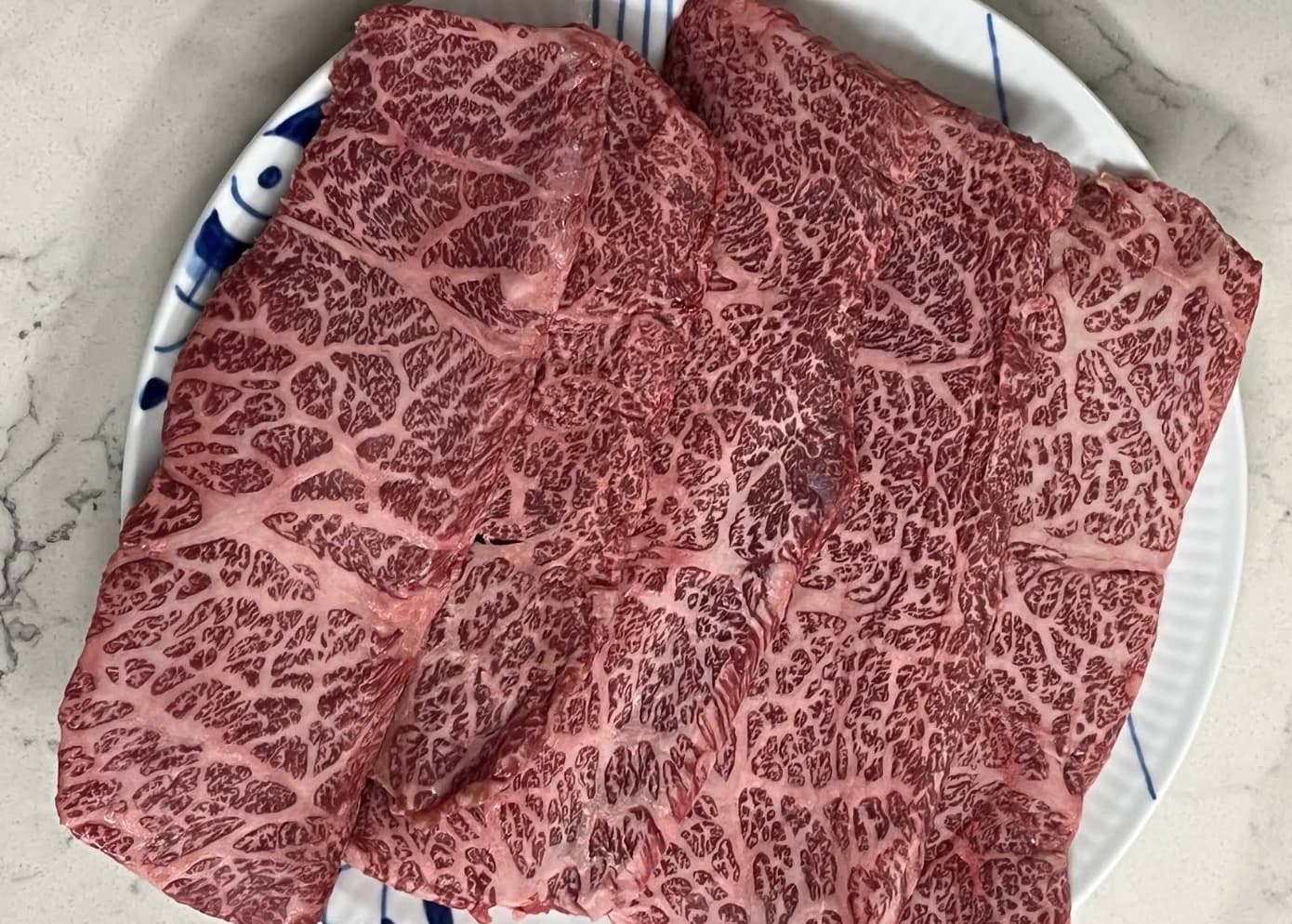
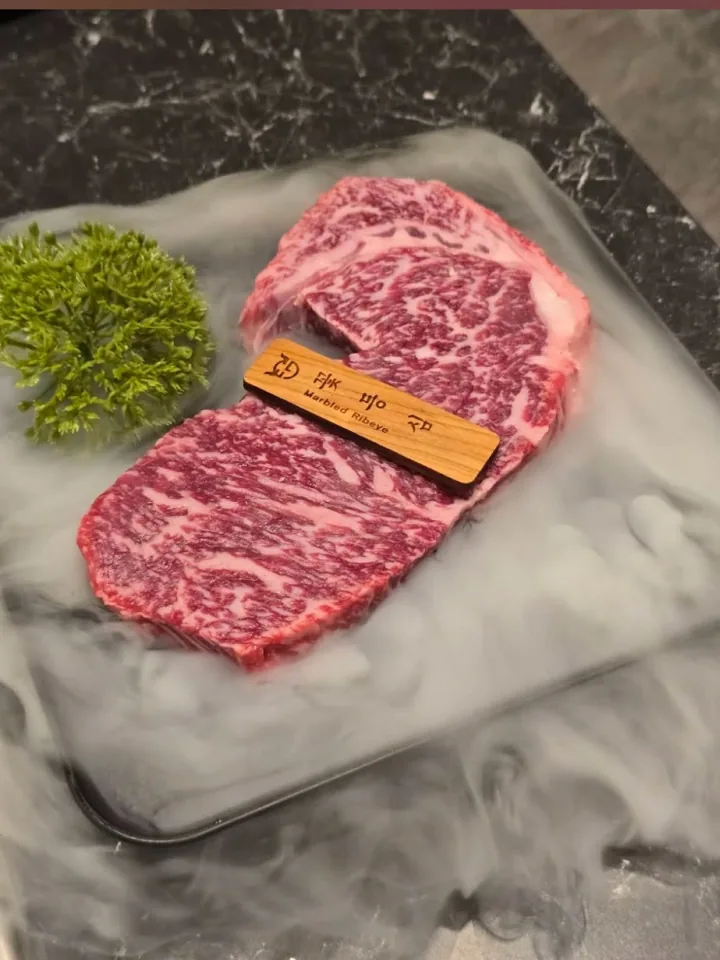
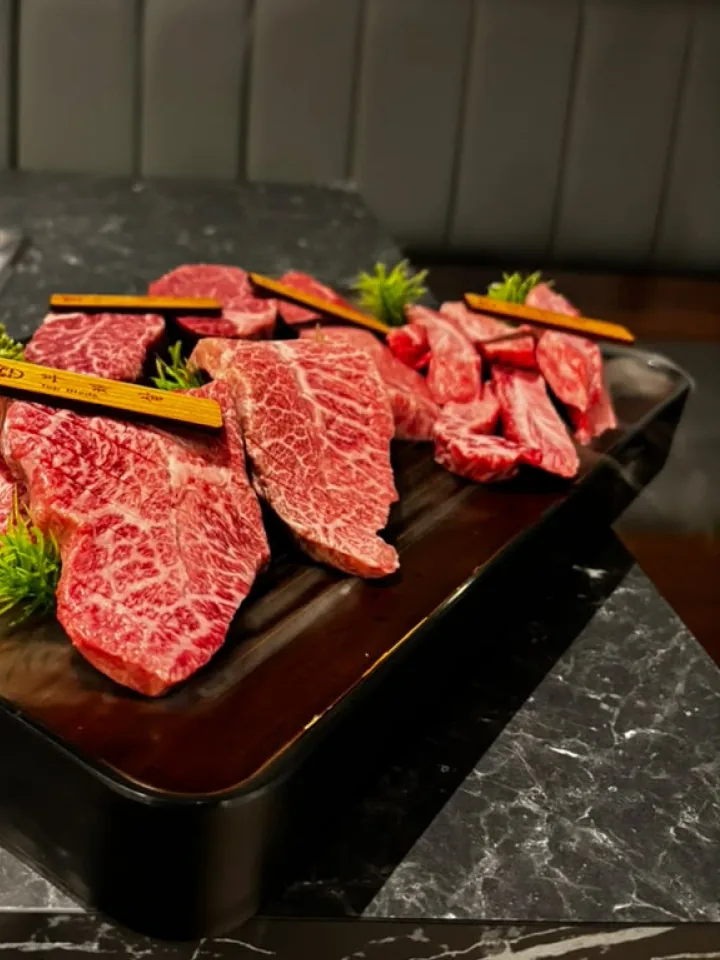
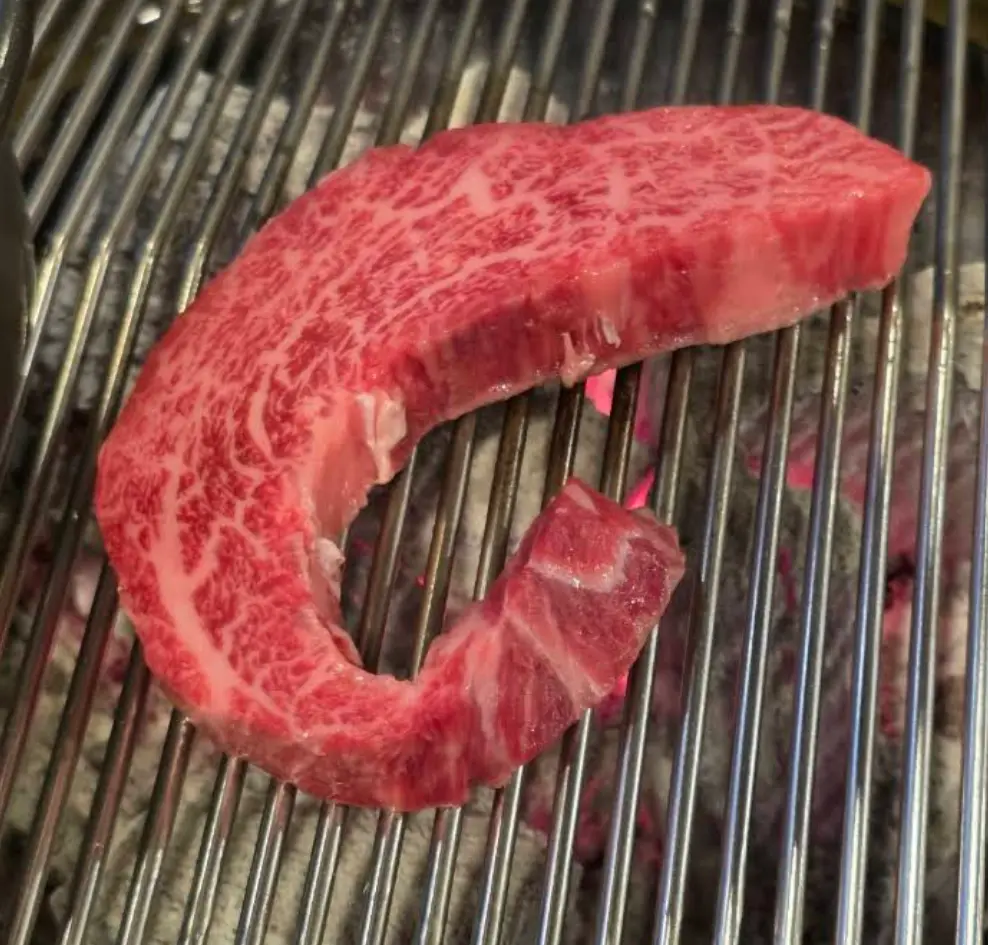
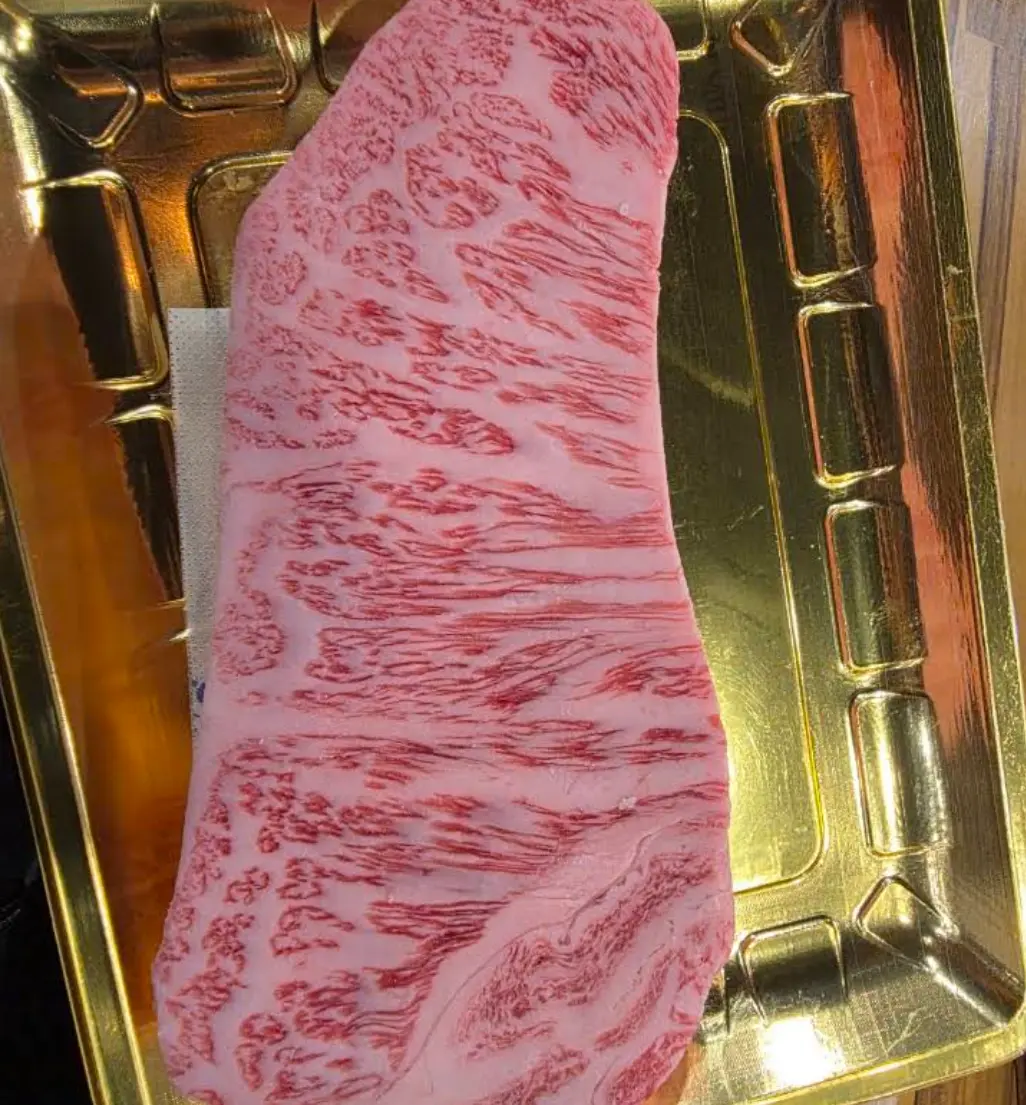
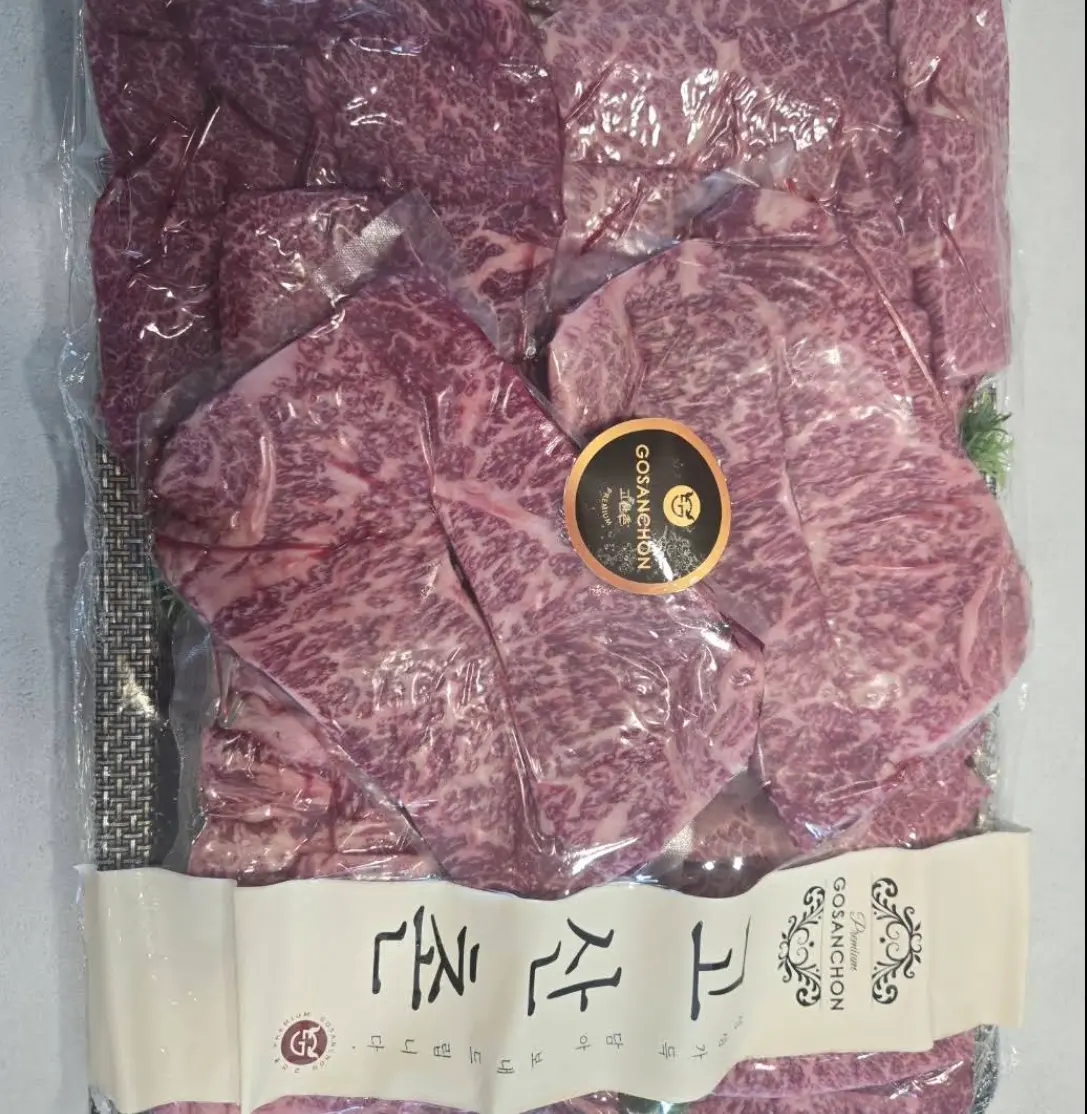
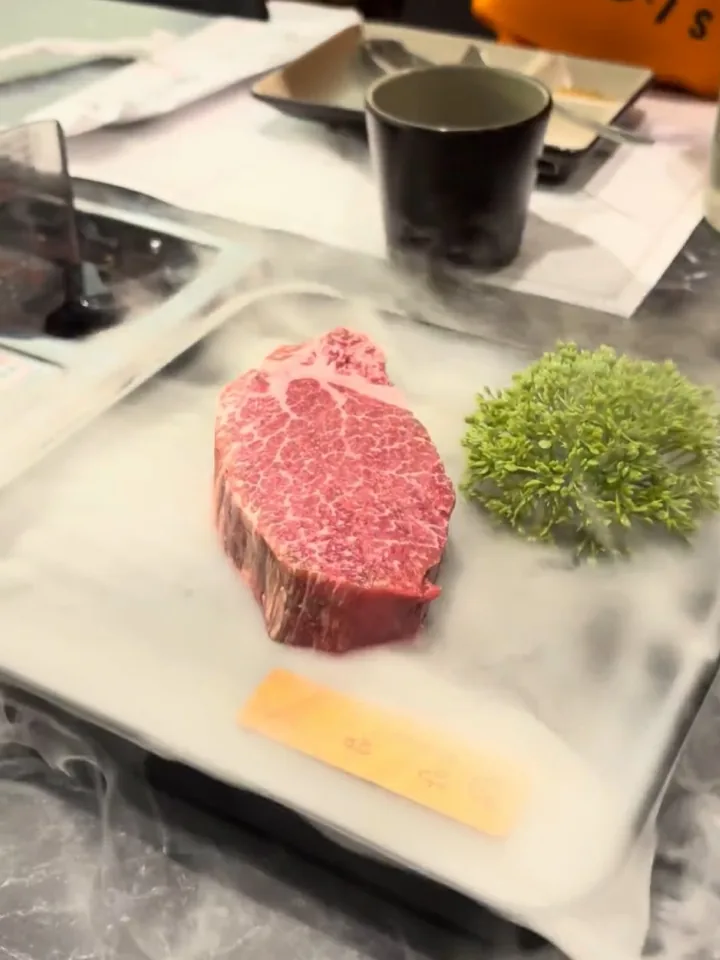
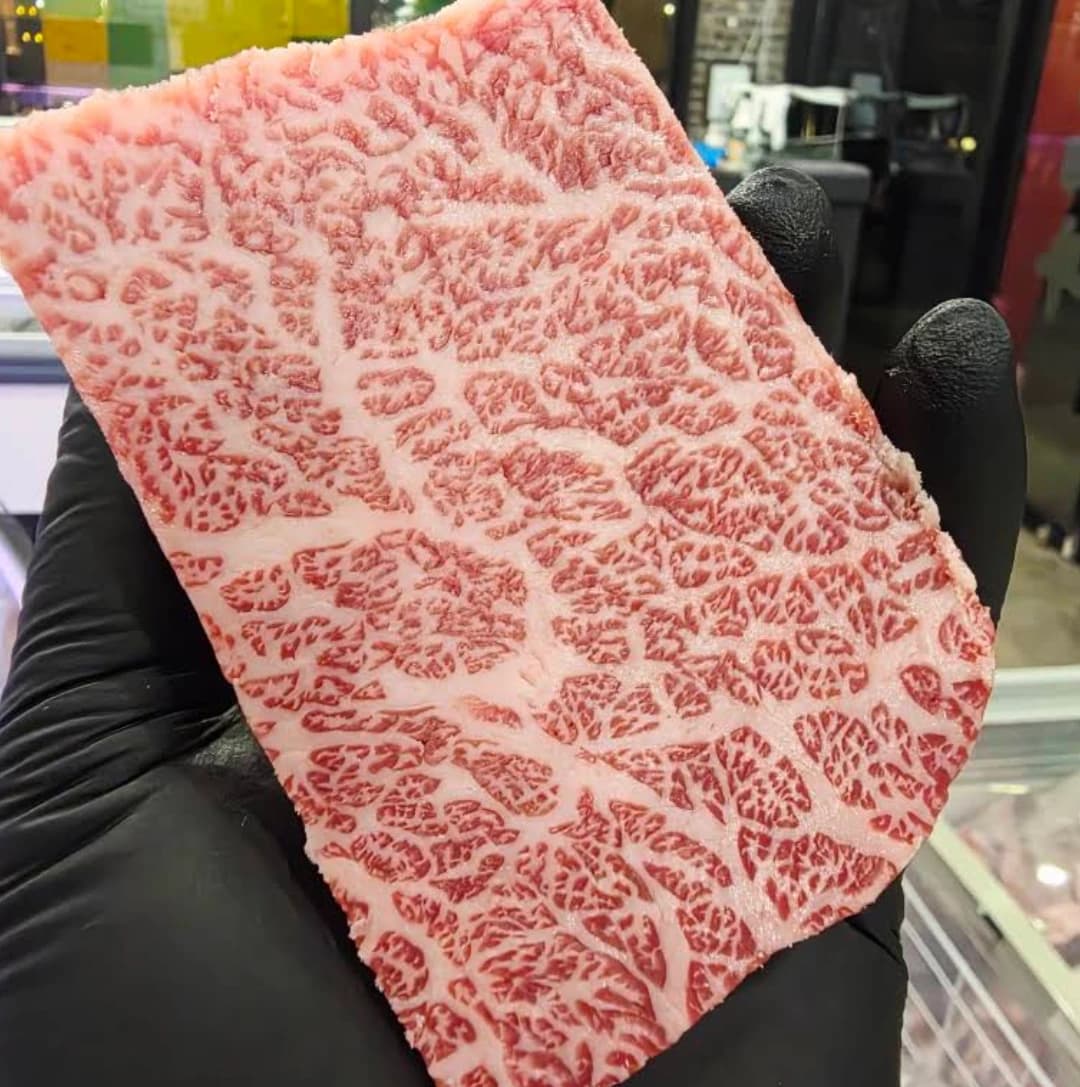
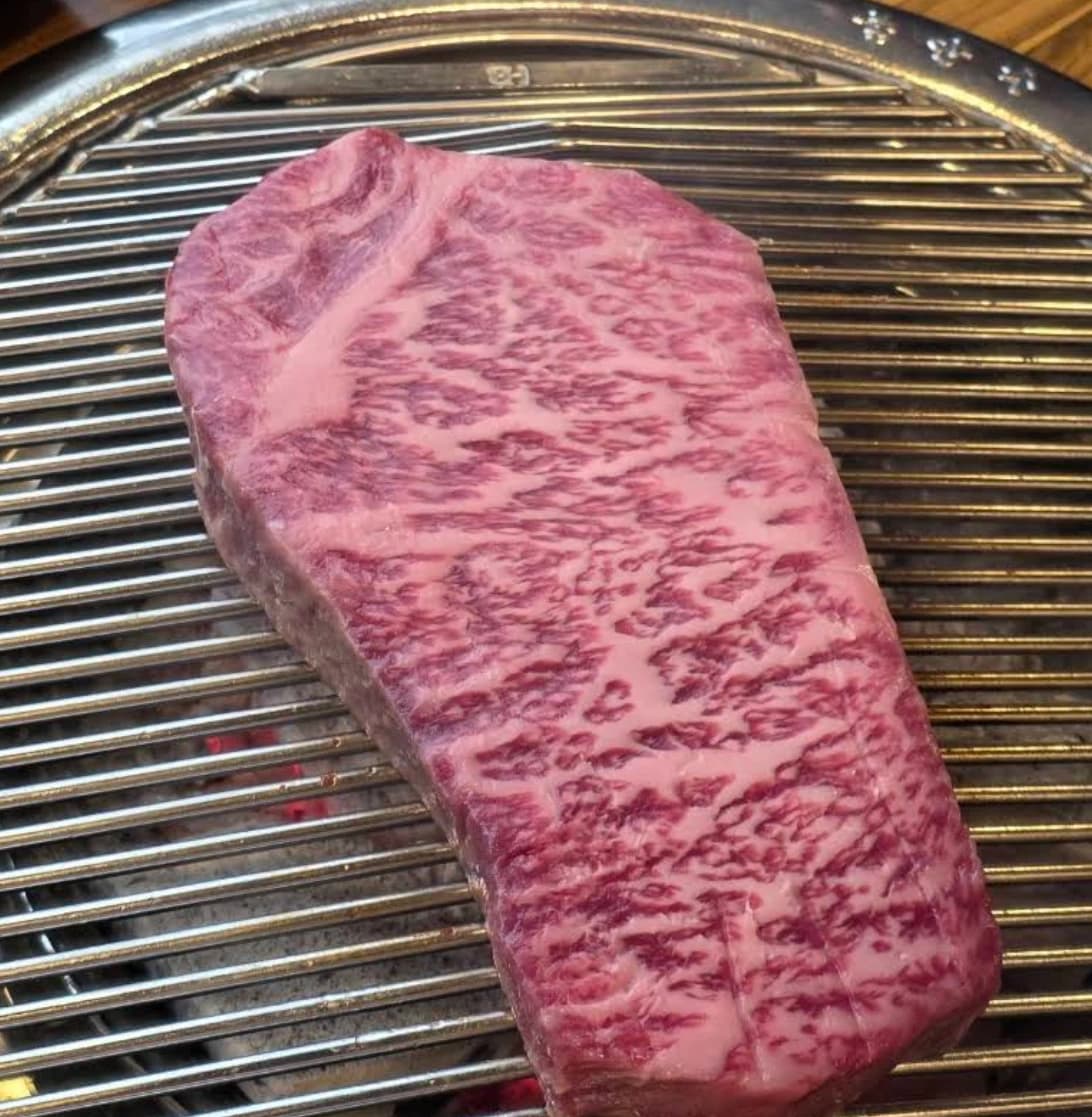
What to look for in Hanwoo beef before it hits the grill: colour, sheen, and marbling texture.
The real reason Korean BBQ scissors work better than a knife for cutting grilled beef at the table.
The five most common Korean BBQ grilling mistakes guests make at the table, and how to avoid them.
What good ventilation does in a charcoal Korean BBQ restaurant, and why it matters as much as the fire.
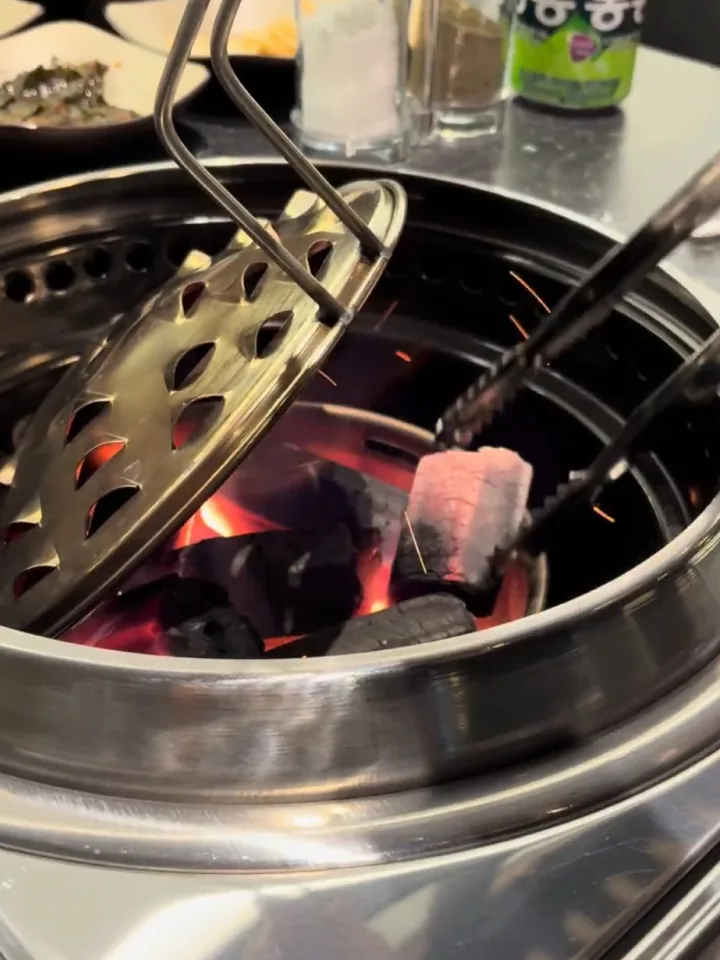
The charcoal type behind Korean BBQ and why the fuel a restaurant burns changes how the beef tastes.
Why a Korean BBQ grill plate gets swapped mid-meal, and what burnt fat residue does to flavour.
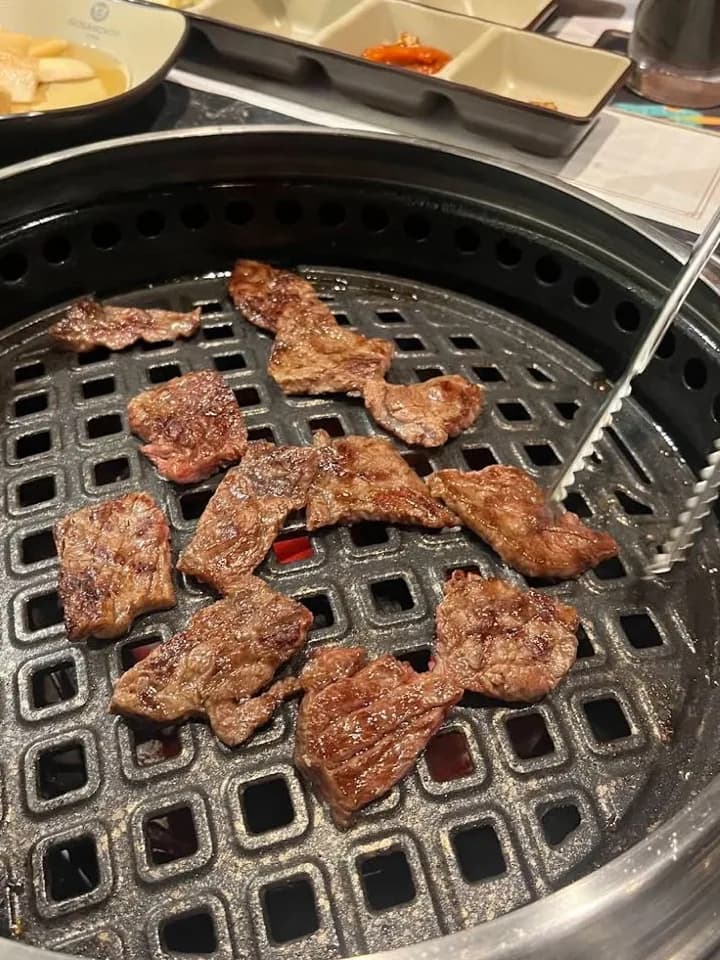
At a Korean BBQ table, tending the grill is technique, not table service in the usual sense.
Why resting grilled beef for a minute before eating keeps the juices in and the texture right.
A charcoal grill has zones. Here's how to read the searing centre and resting edge like a Korean BBQ cook.
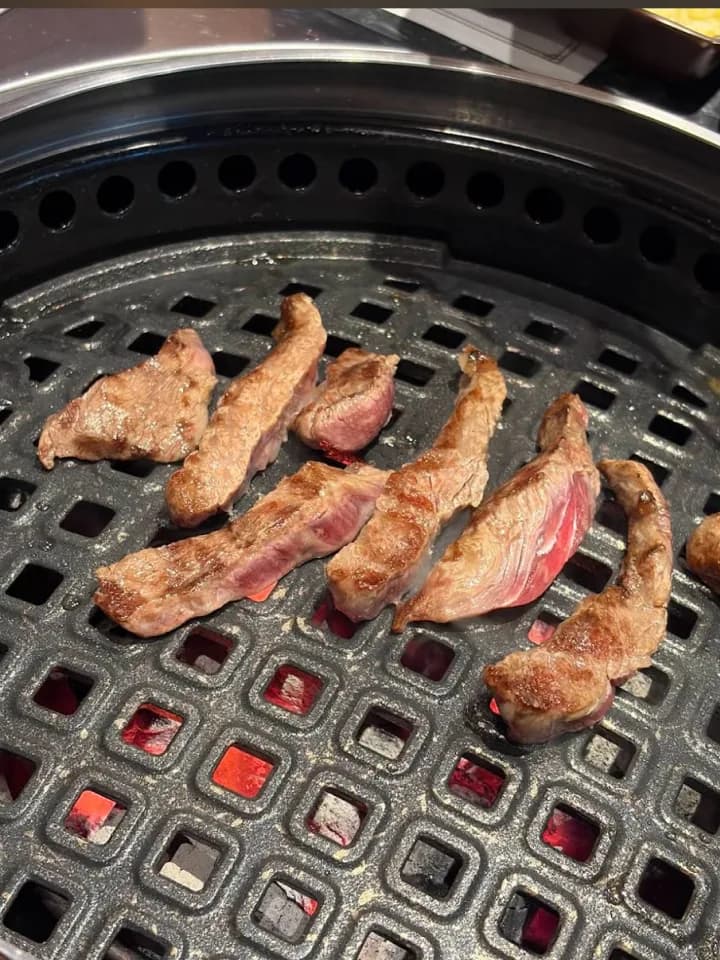
Grill times for Korean beef vary widely by cut. A rough guide to how long each one actually needs over live charcoal.
The Cuts
Samgyeopsal is grilled pork belly, not beef. Here is what changes at the table when Hanwoo beef leads the menu instead.
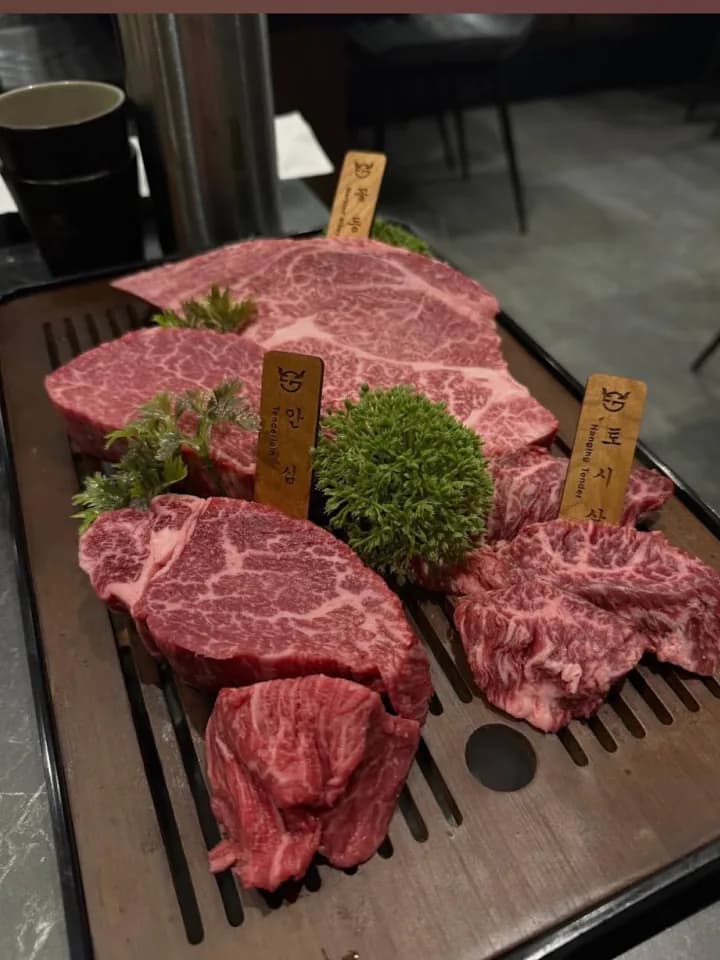
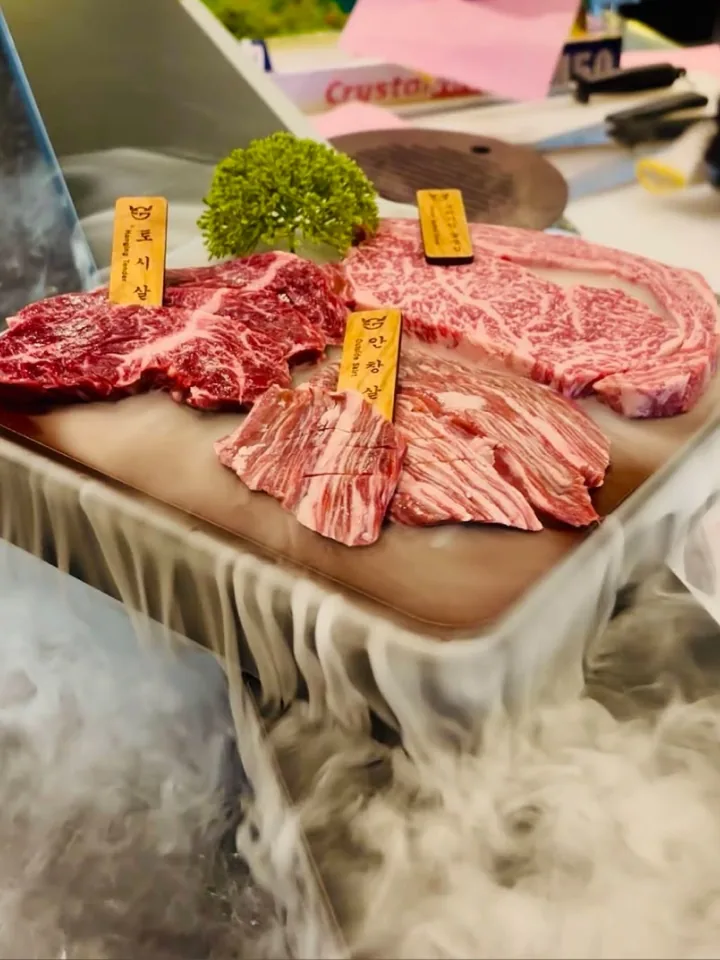
Toshisal, hanging tender, is one of the rarer Korean beef cuts a butcher keeps close. Here's what makes it, and its neighbours, worth ordering.
Yangnyeom galbi shows how marinade transforms beef. Here's when seasoning helps a cut and when it can hide what makes it good.
A guide to where Korean BBQ cuts like deungsim, chaekkeut and tosisal actually sit on the carcass, and why location shapes flavour.
Korean beef cuts range from paper-thin to steak-thick for a reason. Here's how muscle and fat decide the slice.
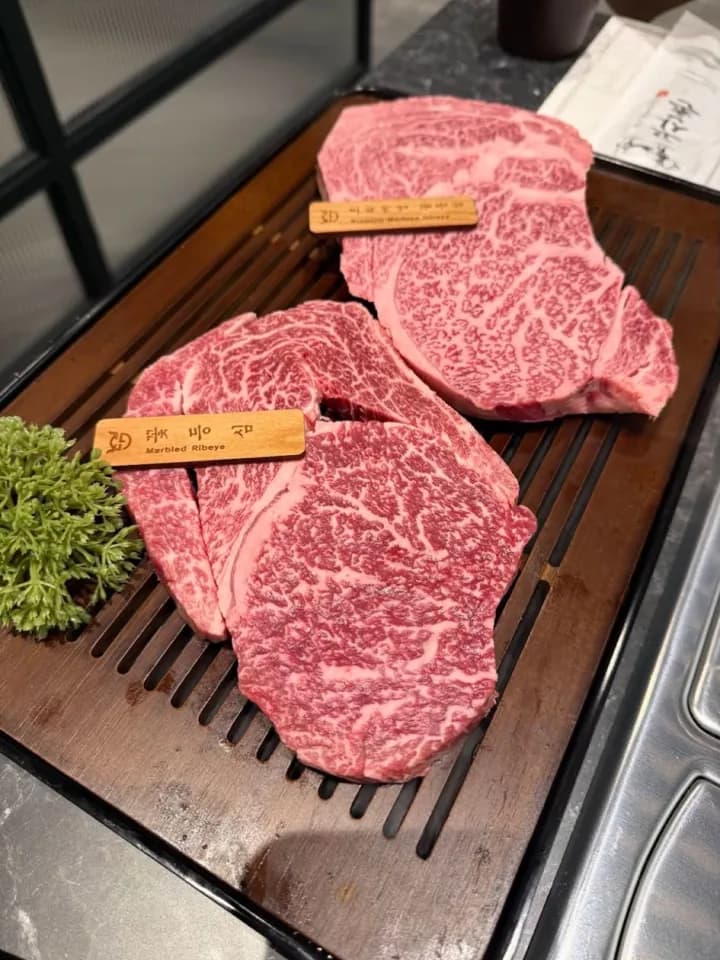
GOSANCHON offers ribeye, striploin and tenderloin at two grades. Here's what marbling density actually buys you at each level.
Good charcoal Korean BBQ isn't just live coals. It's a sequence of timing, spacing and touch. Here's the technique behind it.
Charcoal, gas and electric grills cook Korean BBQ differently. Here's what heat source actually changes about the finished beef.
Hanwoo's marbling is built for a specific doneness. Here's why cooking it well-done wastes exactly what makes it worth ordering.
Galbi and galbisal come from the same rib section but eat differently. Here's what actually separates them.
Galbi (갈비) is Korean short rib. Here's why cooking it on the bone changes texture, moisture and flavor.
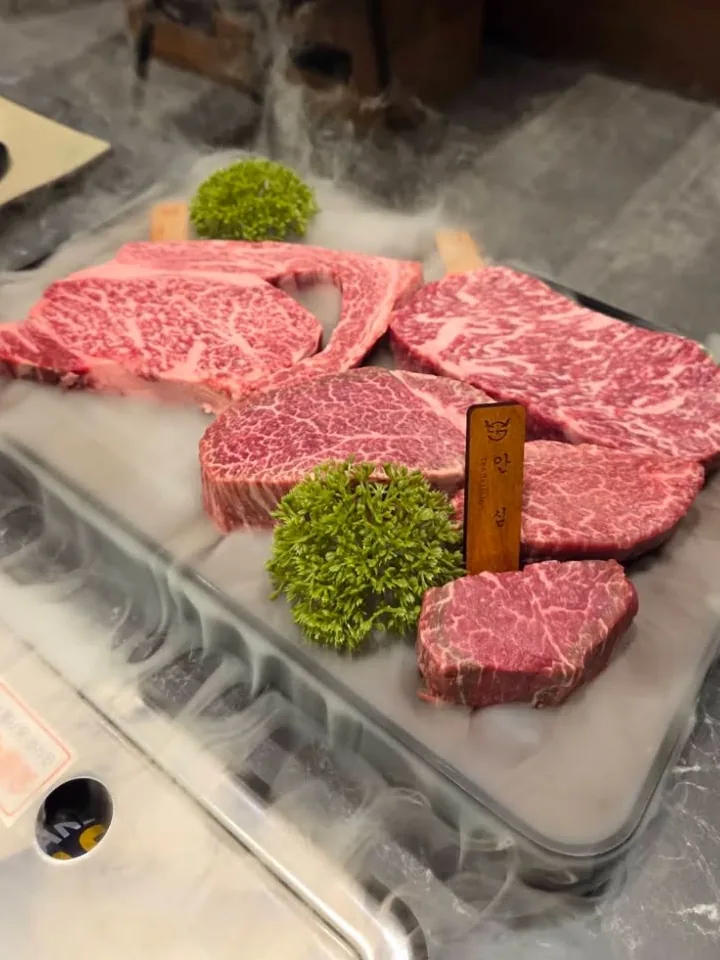
Ansim (안심) is Korean tenderloin, the leanest premium Hanwoo cut. Here's what the name means and how to order it.
Bulgogi isn't one cut. Here's which parts of the animal it traditionally uses, and why marination matters.
Chaekkeut (채끝) is Korean striploin: leaner than ribeye, firmer, and cleaner on the palate. Here's why.
What dry aging and wet aging actually do to beef, and why most Hanwoo never goes through either process.
Korea, Japan, the US and Australia all grade beef differently. Here's what each system actually measures, and why.
Hanwoo grades and USDA Prime were built for different cattle and different markets. Here's why the two scores don't translate into each other.
Hanwoo and Australian grain-fed beef solve different problems by design. Here's how their grading philosophies and feeding systems compare.
A Hanwoo grade like 1++A is really two answers in one. Here's what the quality grade and the yield letter each actually measure.
In Korea, Hanwoo marks milestones, not weeknights. Here's why the beef carries so much cultural weight, and what that has to do with a gift.
Korea's mandatory cattle traceability system turns Hanwoo claims into checkable facts. Here's how the system works and why it matters.
Genuine Hanwoo is hard to find outside Korea for real supply and logistics reasons. Here's what it actually takes to serve it in Kuala Lumpur.
Two cuts with similar marbling can eat very differently. Here's why the temperature beef fat melts at matters more than how much there is.
Marbling isn't just fat content. Here's the mechanical role intramuscular fat plays as beef hits the heat, explained simply.
Hanwoo is a breed, not a grade or a marketing word. What that means for the beef on your grill, and why so little of it leaves Korea.
Two famous beef traditions, two different grading systems, two different ideas of richness. A plain comparison, without declaring a winner.
The name translates as "flower loin", and the flower is the marbling. Why kkotdeungsim is the centrepiece cut, and how to grill it so the fat works for you.
Paper-thin brisket, on the grill and off again before you have finished talking. What chadolbaegi is, why it is sliced that way, and how not to ruin it.
A first Korean BBQ order is mostly about sequence, not picking the single best cut. How to build one that works from the first round to the last.
The Counter
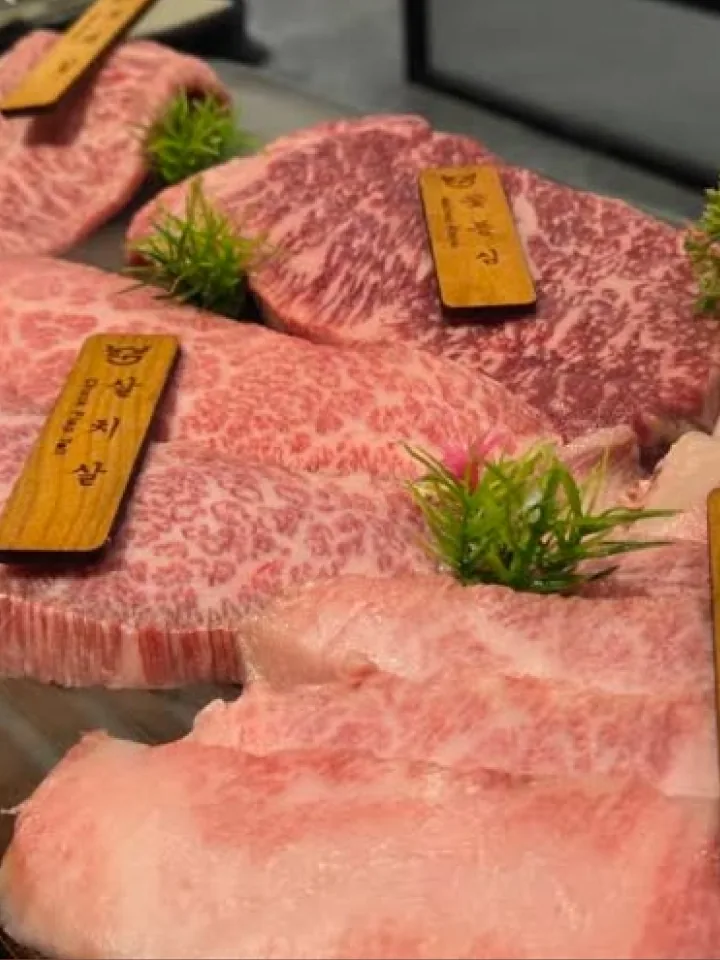
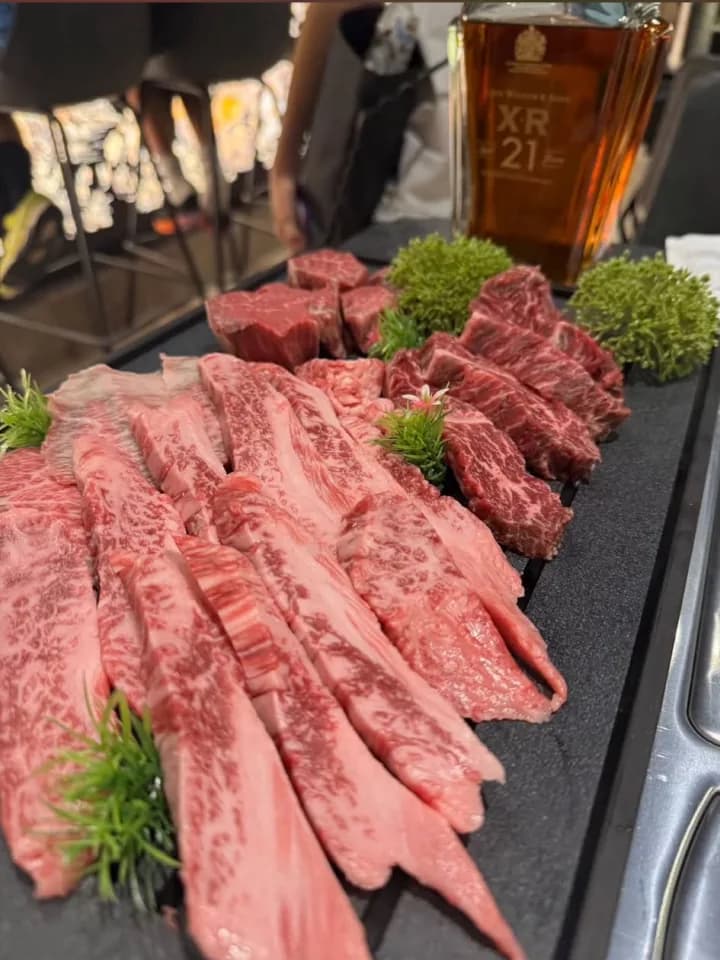
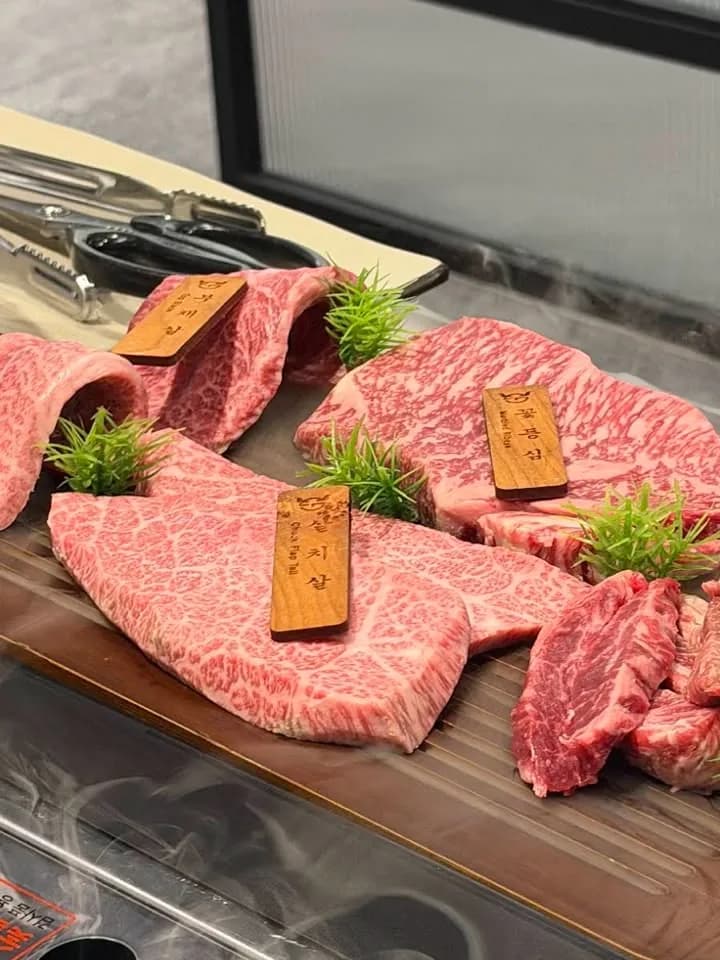
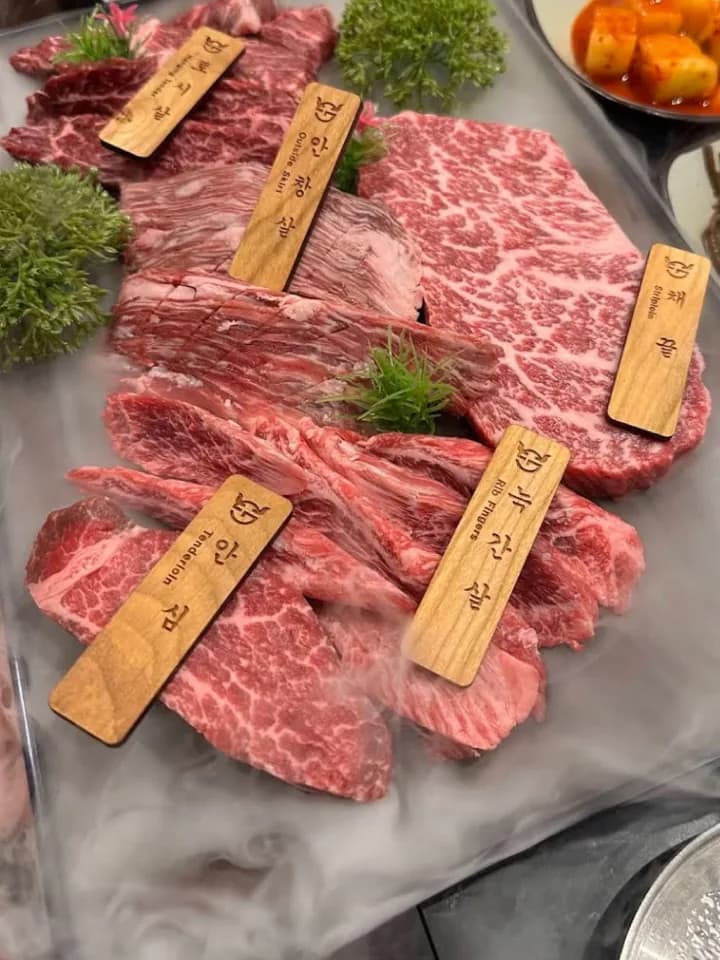
Kkotdeungsim, salchisal, chadolbaki — what the names on a Korean BBQ menu actually mean, how each cut behaves over charcoal, and how to build an order.
Gas is easier, electric is cleaner — so why do serious Korean BBQ restaurants insist on live charcoal? Heat, dryness, and what they do to marbled beef.
Banchan, ssam, the order of cuts, and when the stew arrives — a first-timer's guide to the rhythm of a Korean BBQ dinner, from sitting down to soju.