
The Cuts
Which Cuts Bulgogi Is Actually Made From
19 September 2026 · 3 min read
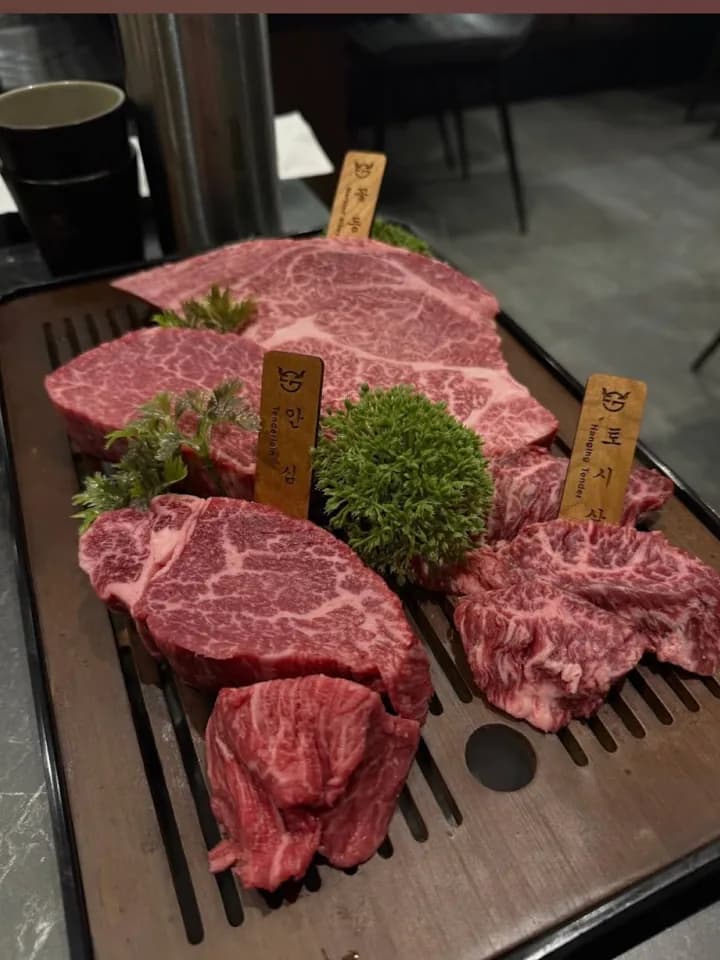
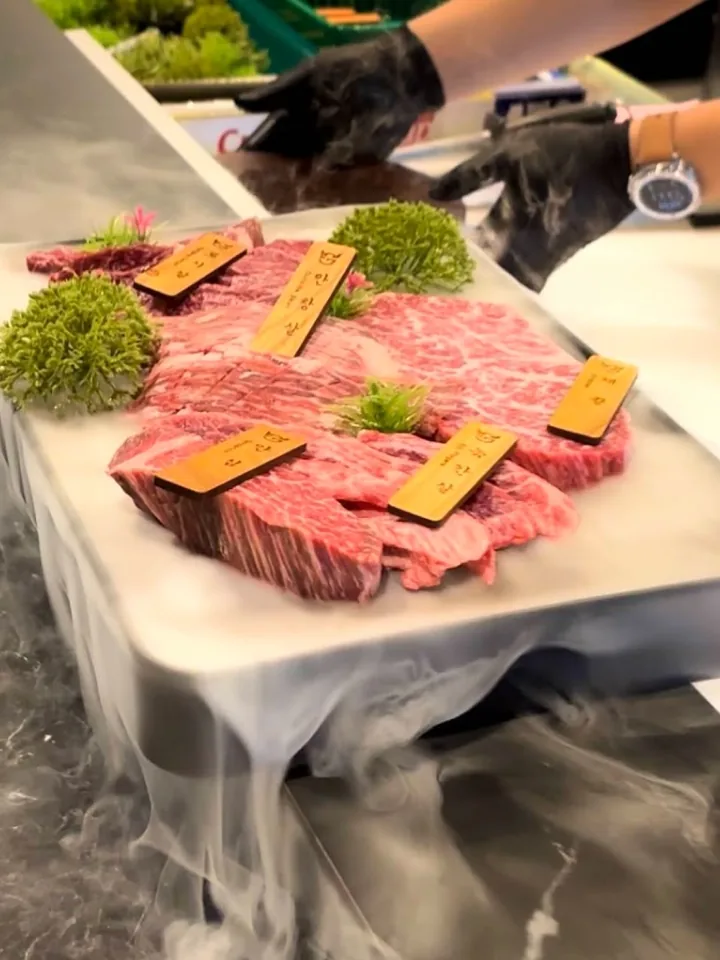
Bulgogi is one of the most internationally recognised Korean dishes, but it isn't a single cut of beef the way kkotdeungsim (ribeye) or ansim (tenderloin) are. It's a preparation: thin slices of beef marinated, typically in a soy-based mixture, then grilled or pan-seared. Which cut goes into it changes the dish more than most people realise.
The cuts traditionally used
Bulgogi is most commonly made from tender, relatively lean cuts that slice well: sirloin, ribeye, or top round are all traditional choices, depending on the region and the household. What they have in common is a fine enough grain to slice thin without falling apart, and a moderate fat content that renders quickly on high heat. Tougher, more connective-tissue-heavy cuts aren't typically used for bulgogi precisely because the dish depends on quick cooking; there isn't time on the grill for a marinade or heat alone to break down a genuinely tough cut.
Why marination is part of the definition
Marination in bulgogi isn't decoration. The classic mixture, soy sauce, grated pear or apple, garlic, sugar and sesame oil, does real work on the meat: the sugars and fruit enzymes begin to tenderise the surface, the soy sauce seasons it through, and the sugar caramelises on contact with high heat, producing the slightly sweet, charred edge bulgogi is known for. This matters most for cuts that aren't heavily marbled to begin with. A cut with less natural fat and connective tissue needs the marinade to do work that marbling would otherwise do on its own, which is exactly why bulgogi historically uses leaner cuts rather than the most heavily marbled ones.
How this compares to unmarinated premium cuts
This is the real distinction between bulgogi and a cut like kkotdeungsim or chaekkeut served plain. A heavily marbled Hanwoo ribeye doesn't need marinating, because the fat threaded through the muscle already provides moisture and flavour when it hits hot charcoal; adding a sweet soy marinade would compete with, rather than support, what the meat is already doing. Marination and heavy marbling solve the same problem, tenderness and flavour, from opposite directions, which is why they're rarely used together on the same cut.
Marination on a premium cut
Some restaurants apply the marinated approach to a higher-grade cut anyway, for a different result rather than a substitute one: the marinade adds sweetness and char without needing to compensate for a leaner cut, since the beef is already tender and well-marbled to begin with. That's a distinct dish from a plain-grilled premium cut, not a lesser version of it, and it's worth ordering as its own thing rather than expecting it to taste like kkotdeungsim with sauce on top.
Why bulgogi travelled so well internationally
Bulgogi's use of thin, marinated slices is also part of why it became one of the first Korean dishes to find an international audience. Thin-sliced, pre-marinated beef cooks quickly on almost any heat source, a stovetop pan, a tabletop griddle, or a grill, without requiring the specialised charcoal setup that a cut like kkotdeungsim benefits from. That accessibility made it an easy entry point to Korean food for diners unfamiliar with the cuisine, even as it represents just one style of preparing beef among many, rather than the whole of what Korean BBQ is built around.
At GOSANCHON
GOSANCHON serves Marinated Hanwoo Ribeye (양념등심) at 100g, built on the same principle as bulgogi: a premium cut, marinated and grilled over charcoal, offering a sweeter, caramelised contrast to the unmarinated cuts on the same table. See it alongside the rest of the cuts on the menu.