
The Fire
What Charcoal Does Korean BBQ Use, and Why It Matters
19 September 2026 · 2 min read
Not all charcoal burns the same way, and a Korean BBQ restaurant's choice of fuel says almost as much about how seriously it takes its grilling as the beef itself does. Charcoal, called sut or specifically sutbul when referring to the live coals themselves, comes in several forms, and they don't behave interchangeably on a grill.
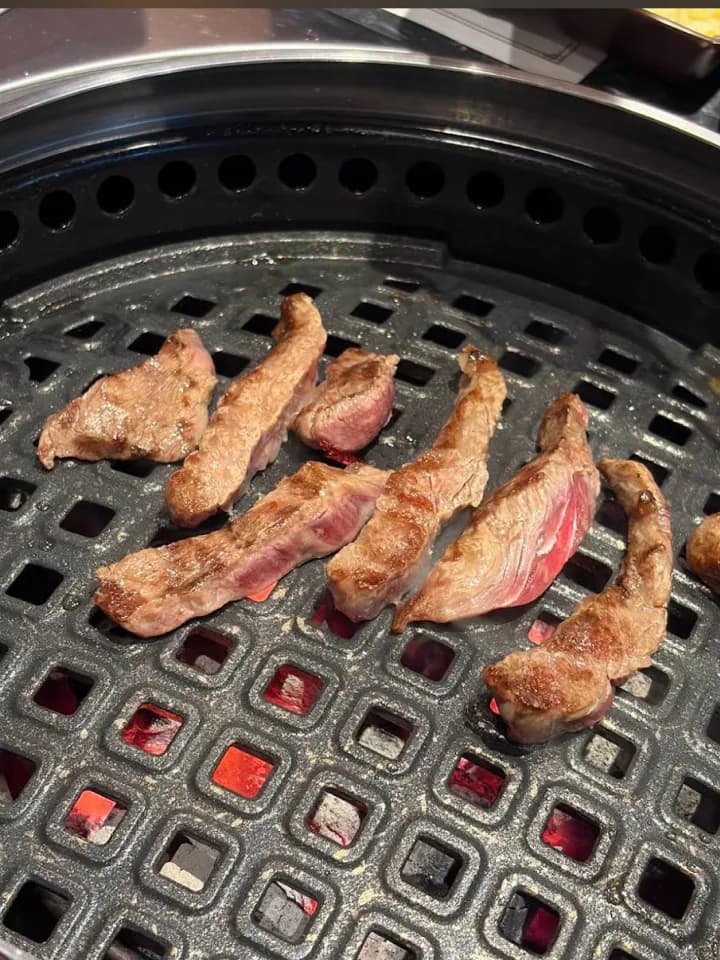
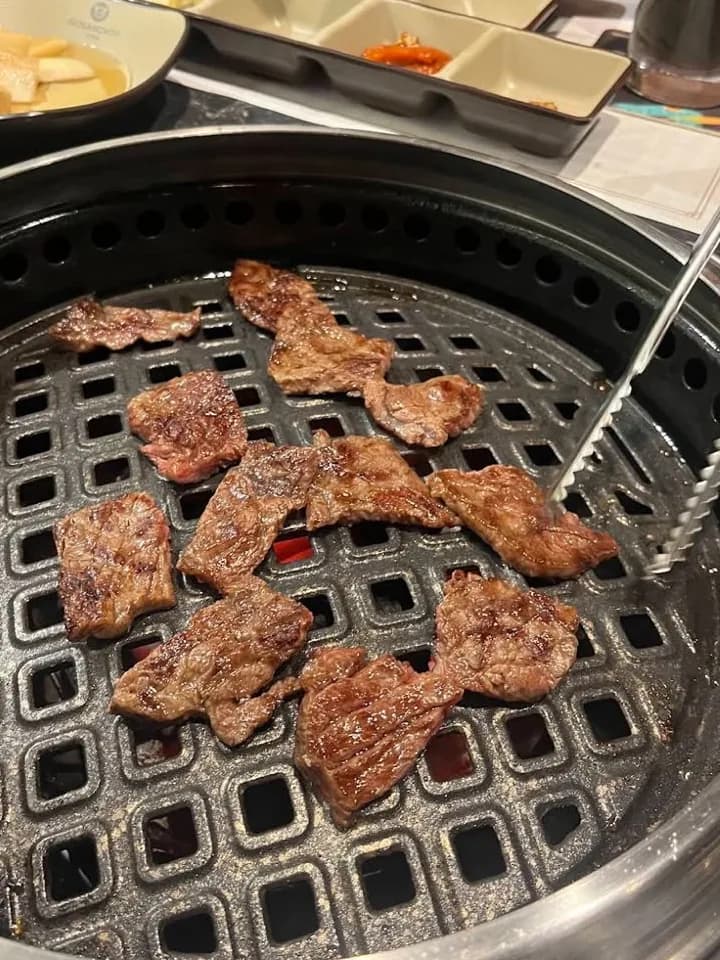
Ordinary charcoal briquettes
The most common charcoal, compressed briquettes made from charcoal dust and binders, is cheap, widely available, and burns predictably. It's also not what a serious Korean BBQ kitchen reaches for. Briquettes often contain additives to help them light and hold shape, and burning them near food can introduce off-flavours and a chemical smell, particularly while they're still catching. They also tend to burn at a lower, less consistent temperature than the fuel built specifically for grilling.
Lump charcoal and white charcoal
A step up is natural lump charcoal, hardwood burned down with no additives or binders, which lights cleaner and burns hotter. Further up the scale in traditional Korean and East Asian grilling is white charcoal, known in Korean as baektan, a dense, slow-burning charcoal produced at very high kiln temperatures. White charcoal burns longer and more evenly than ordinary lump charcoal, throws intense, steady radiant heat, and produces very little smoke or flare-up once it's properly ashed over, which matters enormously with a dish this fat-forward.
Why the fuel choice shows up on the plate
Charcoal quality affects three things a diner can actually taste: consistency of heat, smoke character, and how clean the beef tastes underneath the char. Lower-grade charcoal runs hot in patches and cool in others, which is part of why some grilled beef tastes properly seared in one bite and undercooked in the next from the same piece. It can also carry a harsher, sootier smoke flavour that fights with the beef's own flavour instead of complementing it.
Good charcoal, properly lit and ashed over before any beef touches the grill, burns dry and clean. That's what lets a cut of well-marbled Hanwoo, Korean native beef, develop a real crust without picking up flavours that have nothing to do with the beef itself.
What to notice at the table
You don't need to identify the charcoal type by sight to notice its effects. Steady, even heat across a grill through an entire meal, minimal harsh smoke, and a char flavour that tastes like beef and fire rather than chemicals are all downstream of the fuel choice a kitchen made before you ever sat down.
At GOSANCHON, every table grills over live charcoal chosen and tended for exactly this kind of steady, clean heat. See what it's grilling on the menu, or read more about how the fire is managed table to table in the experience.