
The Fire
When to Change the Grill Plate in Korean BBQ
19 September 2026 · 2 min read
A grill plate looks like it should last the whole meal. It shouldn't. Anyone who has eaten Korean BBQ for years has noticed the same thing without necessarily naming it: at some point, staff lift the plate off the grill and replace it with a clean one, mid-meal, before anyone asked. That swap is one of the more overlooked pieces of technique at the table.
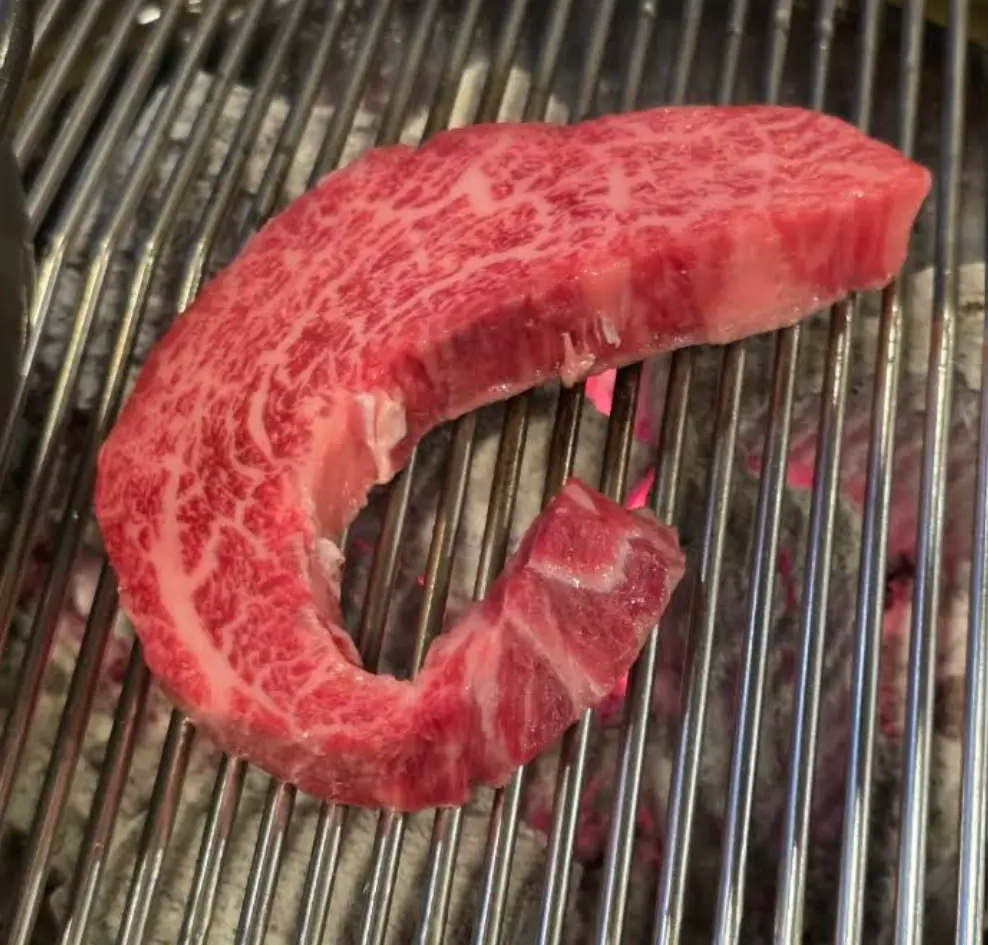
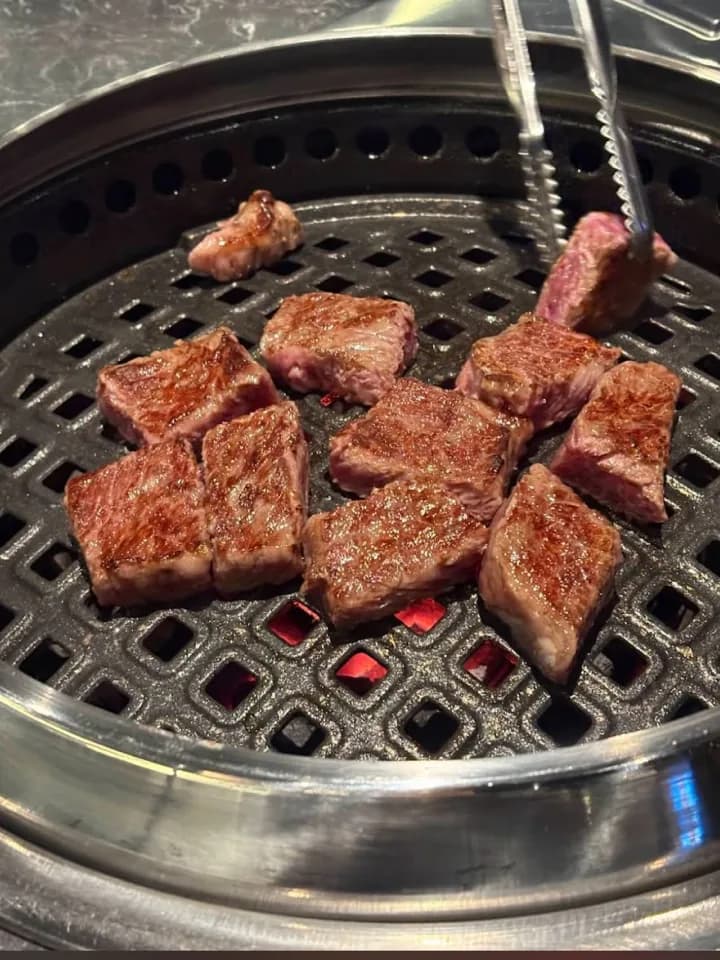
What builds up on a grill plate
Every cut that touches a charcoal grill leaves something behind. Rendered fat drips down and pools in the plate's grooves, sugar from any marinade caramelizes and then scorches, and small flecks of char accumulate wherever a piece sat a little too long. None of this is visible from across the table, but it's there after the first few rounds of cuts, especially on a plate that's grilled something fattier like marbled ribeye or a marinated cut.
Why burnt fat is a flavour problem, not just a cleanliness one
Fresh rendered fat is exactly what makes grilled beef taste the way it does: rich, slightly sweet, carrying the char flavour that only live coals produce. Burnt fat is a different substance entirely. Once fat residue has been sitting on a hot plate long enough to blacken, it turns acrid and bitter, and that bitterness transfers to the next piece of meat that touches the same spot, no matter how good that next cut is.
This is the difference between a plate producing char, which is desirable, and a plate producing carbon, which isn't. The two look similar at a glance and taste nothing alike.
Reading a plate that needs changing
The tell is visual before it's a taste problem. A grill plate that needs swapping shows a buildup of dark, glossy residue, especially around the centre where the searing zone gets the most use. It's a different look from the light grey ash that develops on the coals themselves, which is expected and fine. Residue on the plate is not ash, and it doesn't clean itself off between cuts.
Staff tending a charcoal table are watching for exactly this, and the plate change itself takes seconds: lift, swap, continue, usually timed between rounds so it barely interrupts the meal.
Why this matters most with premium cuts
A plate change matters at every price point, but it matters most with a cut like premium Hanwoo, Korean native beef, where the whole point of the exercise is tasting the beef and its marbling clearly. Nobody grilling a RM495 striploin wants the last flavour on it to be someone else's burnt fat from twenty minutes earlier.
At GOSANCHON, grill plates get changed as soon as they show that residue, not on a fixed schedule, so every cut that hits the coals is grilling on a clean surface. See the cuts worth protecting that carefully on the menu, or read more about how each table is run in the experience.