
The Fire
Korean BBQ Table Service: The Skill of Tending Your Grill
19 September 2026 · 2 min read
At most restaurants, a server's job ends once the plate is on the table. At a Korean BBQ table, it's just starting. Someone is watching the coals, moving cuts between zones, timing turns, and deciding when a piece is ready, all while the conversation carries on around them. That's not hospitality dressed up as theatre. It's a cooking job happening in front of you instead of behind a kitchen door.
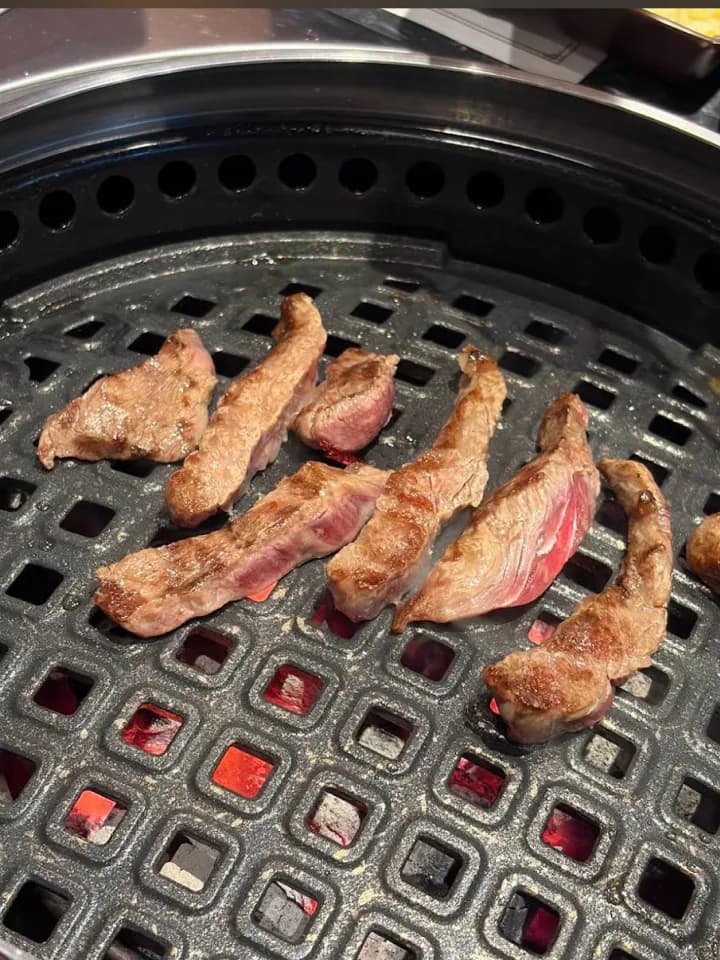
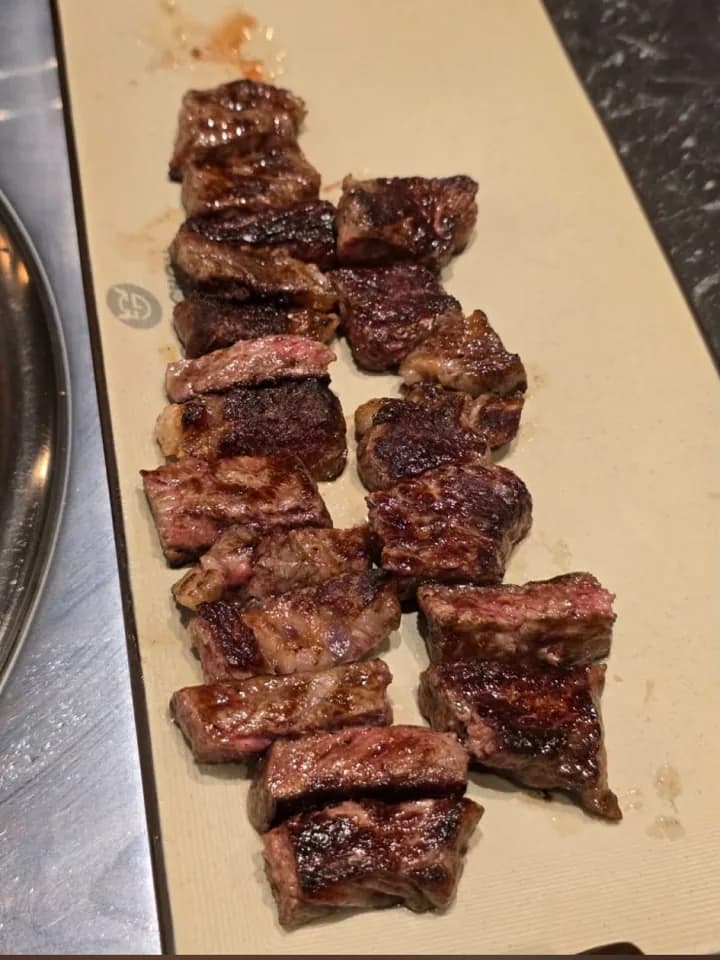
The decisions happening at your table
A charcoal grill changes constantly. Coals burn down and need tending, the plate's zones shift in heat as a service goes on, and different cuts on the table at once need completely different handling: a thin, fatty cut like chadolbaegi (thinly sliced beef brisket) cooks in under a minute, while a thicker premium ribeye needs several times that. Someone has to be tracking all of it, in real time, without a recipe card or a timer.
That's the actual job of a server working a Korean BBQ grill. They're reading colour change on the surface of the beef, judging when a single turn is due, and pulling pieces to the resting edge before they overcook. Every decision is small, and there are dozens of them in the course of one meal.
Why this isn't just courtesy
It would be simpler, from a service standpoint, to hand a table tongs and a menu and let guests manage the grill themselves. Some Korean BBQ restaurants do exactly that. The reason others don't is that grilling premium marbled beef well is a skill, and most guests grilling for the first time haven't built it yet. Overcooking a cut this well marbled by even thirty seconds is the difference between a rendered, silky bite and a tough one.
Having a trained person tend the fire means the beef gets grilled the way it was meant to be grilled, cut after cut, table after table, regardless of how many other things are happening around it that night.
What good tending looks like
You can watch for it. A server tending a grill well is rarely still: nudging coals, repositioning cuts, checking a piece's underside without cutting into it, moving something to the resting edge the instant it's ready. They're not performing for the table. They're doing the same job a line cook would be doing, just at your table instead of somewhere you can't see it.
It also means you can ask questions. Someone who tends grills for a living can tell you which cut is coming up next, how it should be eaten, or why it's being turned the way it is, because they're paying that much attention to it anyway.
At GOSANCHON, every table's charcoal grill is tended by staff trained specifically for it, so a night out doesn't turn into a grilling lesson you didn't ask for. Read more about what a table looks like in the experience, or see what's coming to the grill on the menu.