
The Cuts
Ansim: The Korean Tenderloin, and Why the Name Fits
19 September 2026 · 3 min read
Ansim (안심) is the Korean name for tenderloin, and the name is a small linguistic coincidence worth knowing before it arrives at the table. Ansim is also the everyday Korean word for "peace of mind" or "relief." Whether the cut was named for its position deep inside the animal, tucked safely away from other muscles, or simply because it's the cut you can order with total confidence, the association has stuck.
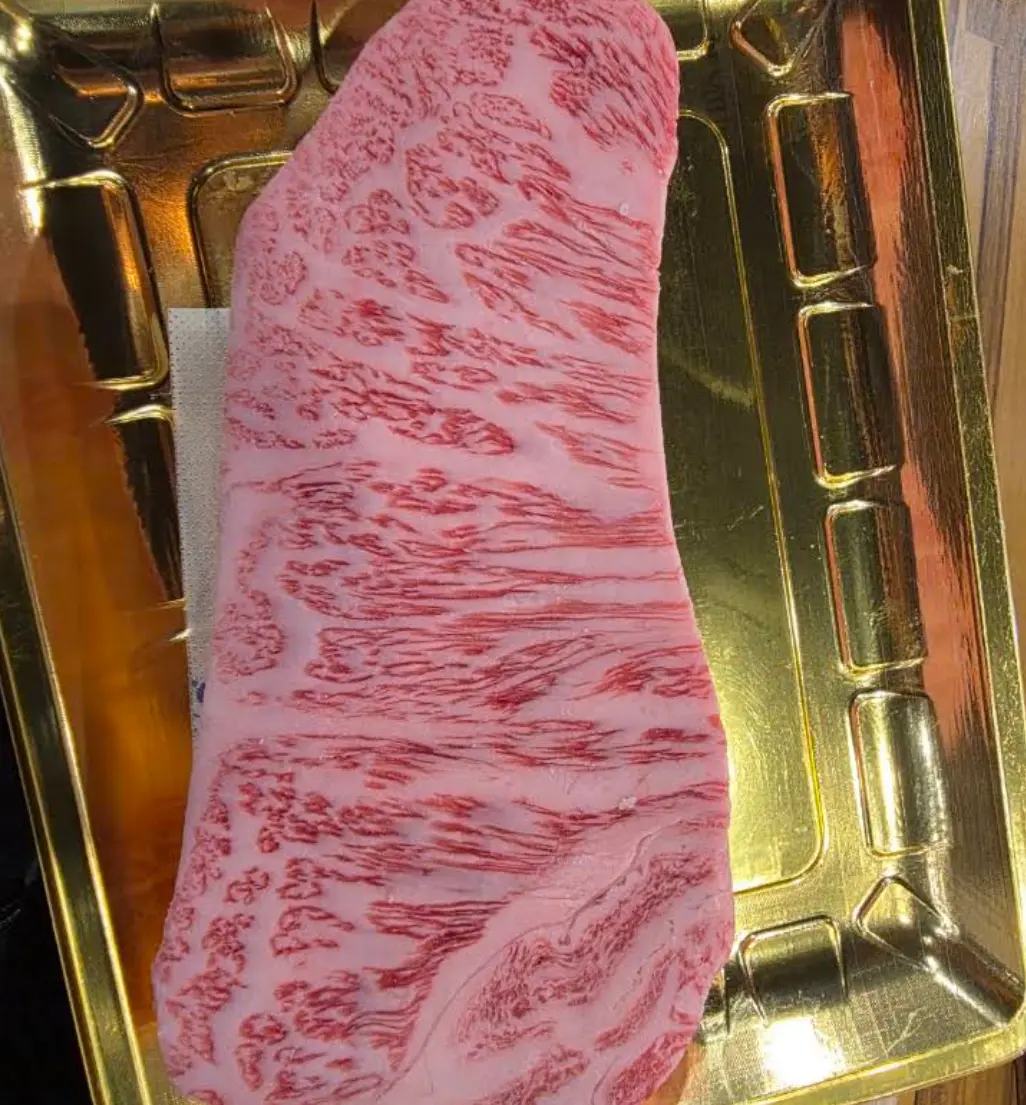
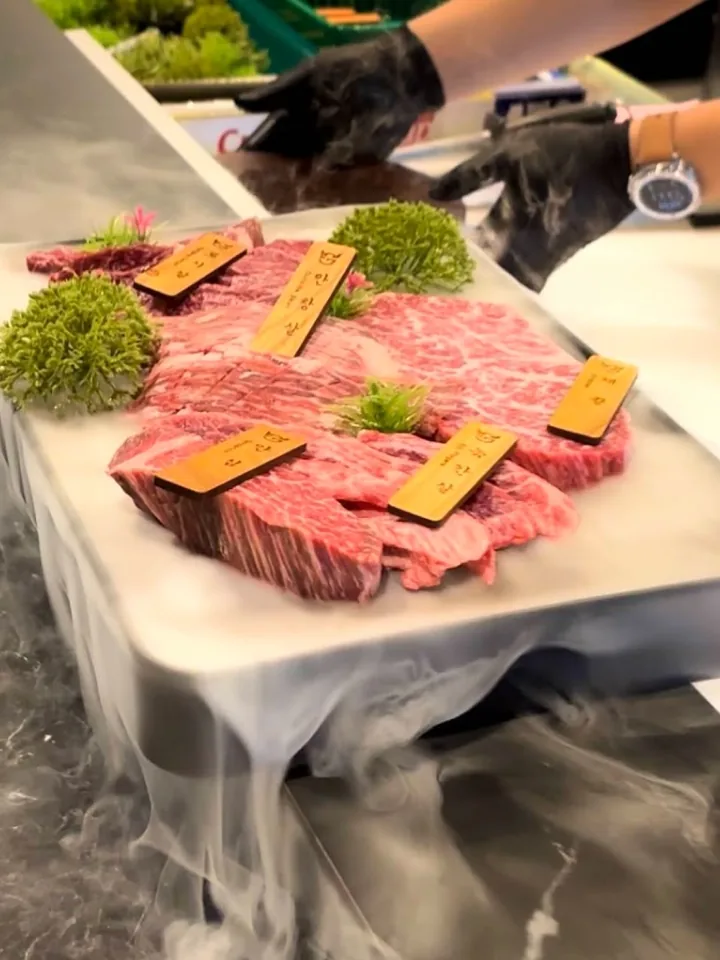
The most protected muscle on the animal
Tenderloin comes from the psoas major, a muscle that runs along the inside of the spine and does almost no work supporting the animal's weight or movement. Muscles that work the least develop the least connective tissue, which is exactly why tenderloin is famous across every cattle-grading system, not just Korea's, as the most tender cut available. It's a small muscle relative to ribeye or striploin, which is part of why it's typically served in smaller portions.
Lean, not marbled, and that's the point
Unlike kkotdeungsim (ribeye) or chaekkeut (striploin), ansim isn't chosen for its marbling. It's genuinely lean, even on a highly graded Hanwoo carcass, with fat appearing at the edges rather than threaded through the muscle. Its appeal is texture rather than richness: a soft, almost buttery bite that comes from the low connective tissue rather than rendered fat. It's the cut to order for someone who wants to experience Hanwoo's quality without the intensity of a heavily marbled piece.
How to grill and eat it
Because ansim has so little internal fat to protect it, it's the easiest premium cut to overcook. A hot, brief sear on each side, followed by a short rest off the direct heat, is usually enough; anything beyond medium loses the texture that makes the cut worth ordering in the first place. It's typically eaten with a lighter hand on condiments than richer cuts, sometimes with just a touch of salt or a dip in sesame oil, since there's little fat flavour to compete with.
Why it's priced differently from ribeye
Because tenderloin is a small, single muscle relative to the much larger rib and loin sections, the amount that can be cut from one animal is limited, which is part of why it's typically portioned in smaller weights than ribeye or striploin on a Korean BBQ menu. This isn't a reflection of quality relative to the other cuts. It's simply anatomy: there is only ever one modest strip of psoas major per side of the animal, compared to the much larger muscle groups that yield ribeye and striploin. Ordering a smaller weight of tenderloin alongside a larger portion of a more abundant cut is standard practice rather than a compromise.
A note on the name across cultures
Almost every cattle-grading tradition treats tenderloin with a similar reverence, even where the language doesn't carry a double meaning the way ansim does in Korean. French butchery calls the same muscle filet, the root of "fillet," a word that has come to signify a clean, boneless cut across many cuisines entirely because of how this particular muscle behaves. The coincidence with the Korean word for peace of mind is specific to Korean, but the underlying reason for the reverence, an unusually low-work, low-connective-tissue muscle, is universal.
Where it fits in a meal
Ansim works best ordered alongside richer cuts rather than as the sole centrepiece of a meal, since its appeal is contrast: a clean, tender bite after the intensity of ribeye or a marinated cut. It's also a natural choice for guests who prefer a leaner style of beef without giving up the quality of Hanwoo.
At GOSANCHON
Ansim is available as Tenderloin (안심) at 150g or 250g, and as Premium Tenderloin (프리미엄 안심) at the same weights for a higher grade, cut to order at the butcher's counter. Find it alongside the rest of the cuts on the menu.