
The Beef
Six Signs a Korean BBQ Restaurant Is Serious About Beef
19 September 2026 · 3 min read
Korean BBQ restaurants range from casual all-you-can-eat rooms to places built entirely around a single animal's worth of beef. Both have their place, but if the beef itself is the reason you're going, a few visible details tell you quickly which kind of restaurant you've walked into.
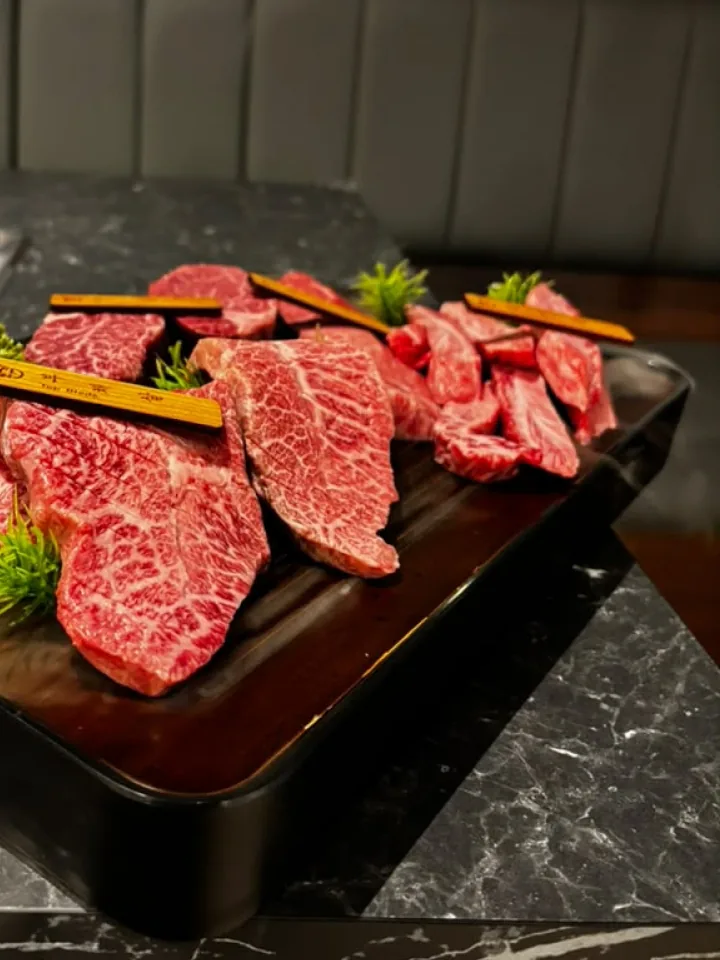
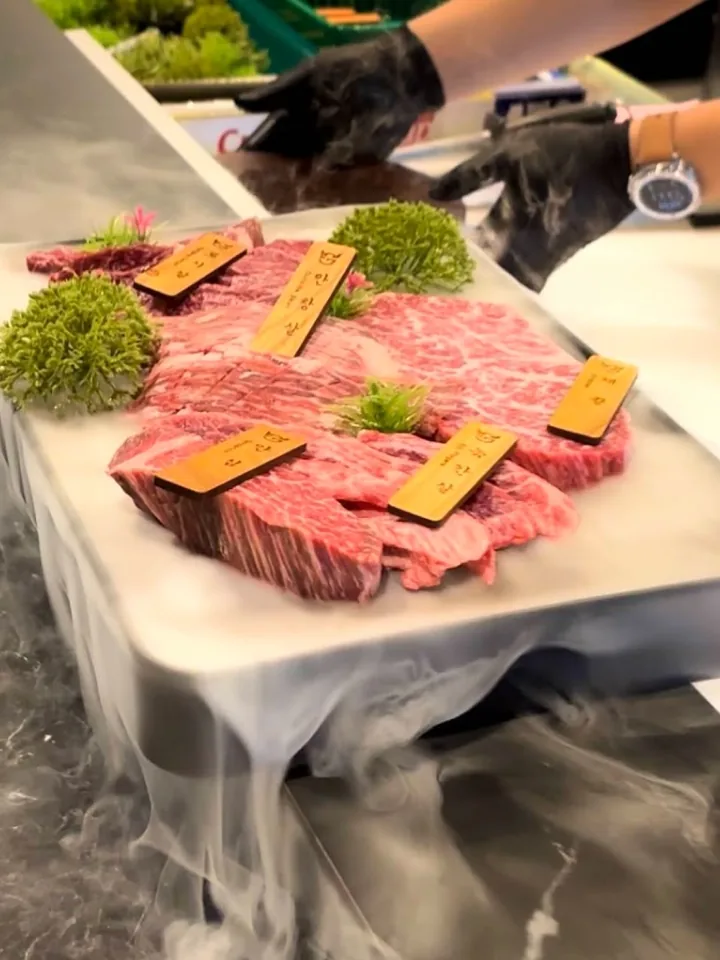
1. A Chilled Display Cabinet You Can See
Restaurants that take beef seriously tend to show it. A refrigerated display cabinet holding whole or half cuts, usually near the entrance or an open butcher's counter, means the kitchen wants you to see what you're eating before it's cooked. A restaurant with nothing on view and everything in a back-of-house freezer isn't necessarily worse, but it's asking you to trust rather than see.
2. Beef Cut to Order, Not Pre-Portioned
Watch how a plate of beef arrives. If it's sliced the moment you order, at a butcher's counter or tableside, that's a sign the kitchen is protecting freshness by minimising the time between cutting and cooking. Pre-portioned trays held under plastic for hours are a shortcut, and shortcuts show up in texture.
3. Real Charcoal, Tended at the Table
Gas and electric grills are easier to run, which is exactly why restaurants that stick with live charcoal, despite the extra work of lighting, tending, and swapping grates, are usually doing it because they believe it cooks marbled beef better. Charcoal's dry radiant heat builds a real crust while keeping the centre of a rich cut from overcooking, something hot air struggles to match. Staff actively managing the fire and swapping the grill when it carries residue is part of the same seriousness.
4. A Menu That Names Cuts Specifically
A menu listing "beef platter" or "assorted BBQ" tells you little. A menu naming individual cuts, ribeye, striploin, tenderloin, skirt, hanging tender, each with its own weight and price, tells you the kitchen is handling them differently because they behave differently on the grill. Specificity on the menu usually reflects specificity in the kitchen.
5. Staff Who Can Talk About What They're Serving
Ask a simple question, what's the difference between this cut and that one, or why is one priced higher, and a serious beef restaurant has an answer that goes beyond "it's more premium." Staff trained around a butcher's counter tend to know the muscle, the texture, and how each cut is best grilled, because they see it in front of them every service.
6. Portions and Pricing That Track Actual Cost
Premium marbled cuts and leaner cuts should not cost the same, and weight-based pricing that scales sensibly, larger portions costing proportionally more, suggests a kitchen pricing beef honestly rather than padding a flat menu price. Wildly flat pricing across very different cuts is usually a sign the beef itself isn't the star of the operation.
None of These Signs Need to Be a Surprise
A restaurant organised around beef this way isn't hiding any of it. A cabinet, a counter, a lit grill, and a detailed menu are all things a guest can see within the first few minutes of walking in, well before the first plate arrives. That visibility is itself part of the sign: a kitchen confident in its beef tends to put the evidence in view rather than leave it to a description on a page.
Putting It Together
None of these signs alone proves much, but together they describe a restaurant organised around the beef rather than around volume. A visible cabinet, a butcher's counter, live charcoal, a specific menu, knowledgeable staff, and honest pricing all point the same direction.
GOSANCHON is built around all six: Hanwoo displayed in a chilled cabinet, cut to order at the counter, grilled over charcoal at every table. Visiting is the best way to see it for yourself.