
The Beef
What to Order on a First Visit
16 September 2026 · 5 min read
The most common first-visit mistake at a Korean BBQ table is treating the order like a single decision — find the best cut, order a lot of it, done. A Korean BBQ dinner is a sequence, and the order you eat things in changes how they taste.
Start lean, finish rich
The useful principle is to move from leaner to richer, not the other way around.
Beginning with the most heavily marbled cut is the intuitive move and the wrong one. Rich beef early resets your palate — everything after it tastes flatter, and you are full sooner than you expected. Starting leaner means each round escalates, and the richest cut lands when you can still appreciate it.
A simple shape that works for most tables:
- A lean opener. Something with clear beef flavour and real chew, to set a baseline.
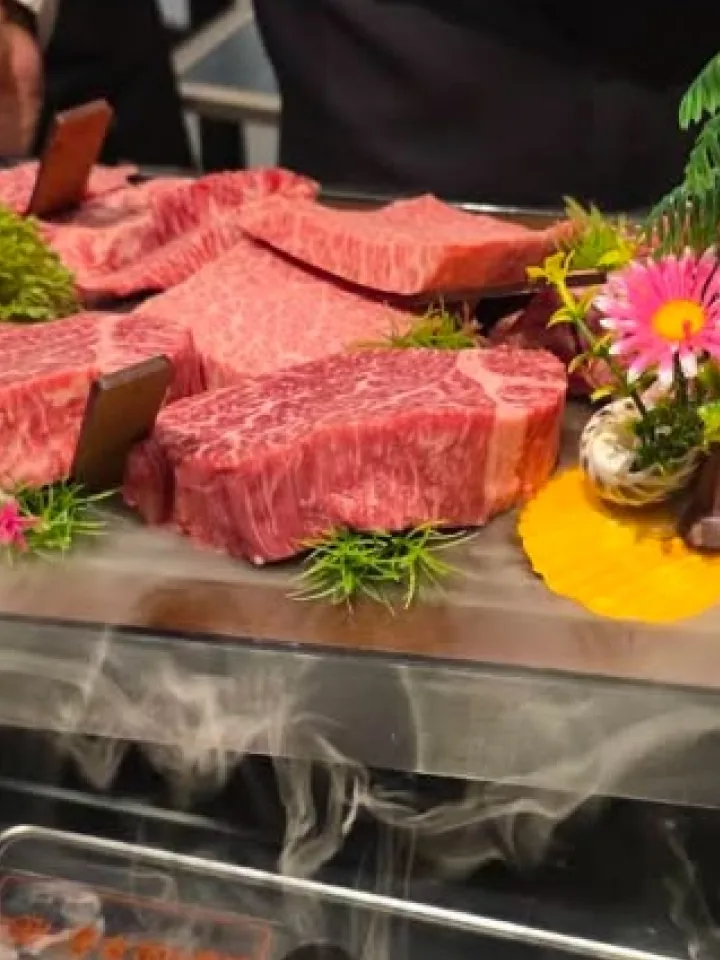
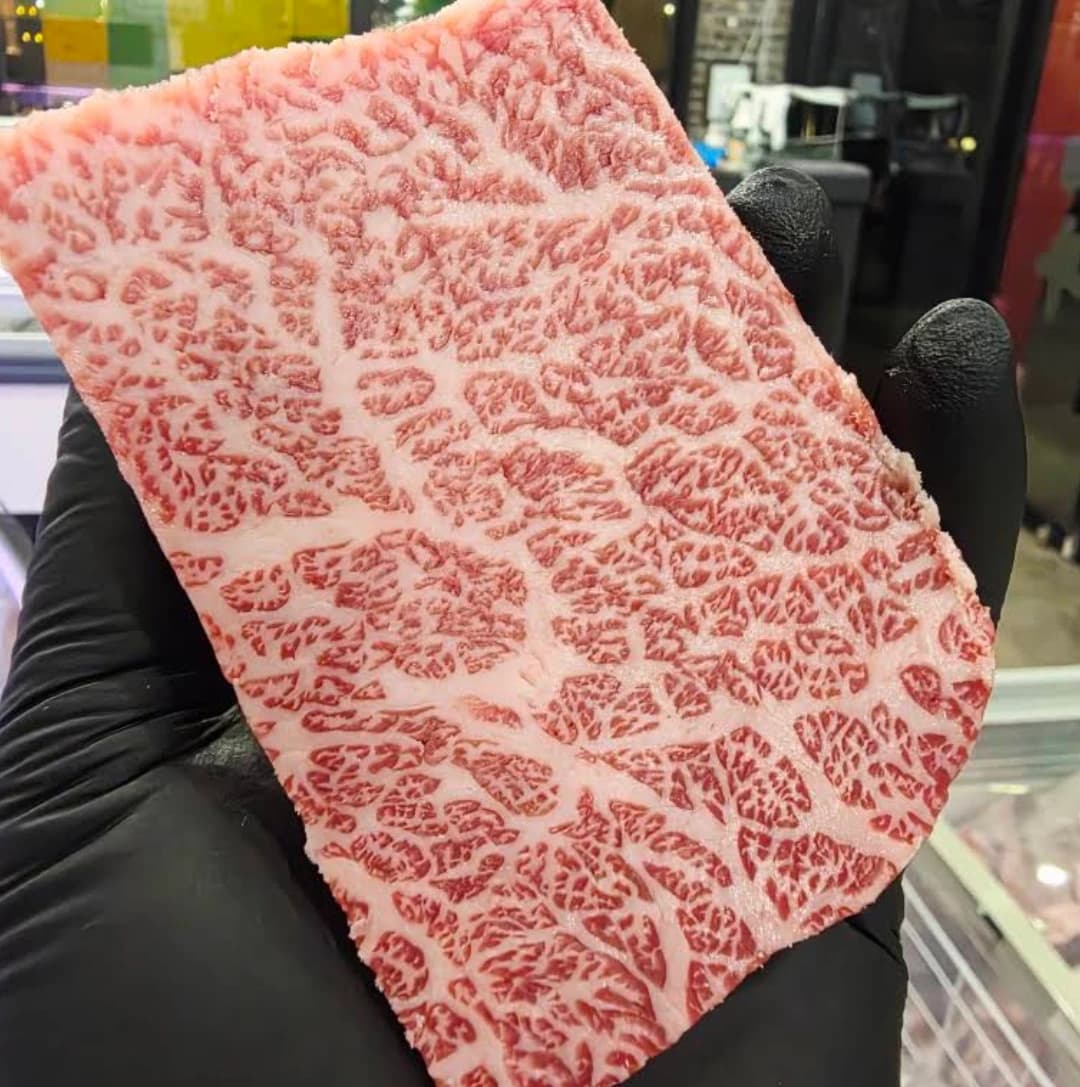
- A marbled centrepiece. The cut you actually came for, eaten when the grill is properly hot and your palate is still sharp.
- Something with texture or char. Short rib or a cut with more surface area, for contrast.
- A closer from the kitchen. Stew, rice or cold noodles — not more beef.
Reading the cuts
A few names worth knowing, because they describe the cut rather than the grade:
- Ribeye (꽃등심). The classic centrepiece — fine marbling through the eye, rich without being heavy. If you order one premium cut, this is usually it.
- Striploin (채끝). Firmer than ribeye with a cleaner finish. A good opener for a table that wants beef flavour before fat.
- Tenderloin (안심). The leanest of the premium cuts. Very tender, comparatively mild — better early than late.
- Short rib (갈비). More connective texture and more char, which is exactly the point. Good as the round after your centrepiece.
- Brisket (차돌박이). Sliced very thin, cooked in seconds, and gone almost as fast. A palate-changer between richer rounds.
How much to order
Order less than you think, in more rounds than you think.
Cuts are grilled and eaten in sequence, not laid out at once, and the table fills up faster than expected — banchan, rice, ssam leaves, stew. Ordering one or two cuts to start and adding as you go keeps the grill working at the right pace and stops the last round arriving after everyone has stopped being hungry. You can always add another cut; you cannot un-order one.
Things that are not the beef, and matter
- Banchan. The small dishes are included and replenished through the meal. They are not a starter to clear before the beef arrives; they are meant to be eaten alongside it, as contrast.
- Ssam. Leaf, beef, a little ssamjang, one bite. It is the intended delivery mechanism for a rich cut, not a garnish.
- Let staff tend the fire. Charcoal has zones and it changes as it burns. If someone offers to turn your cuts or swap the grill, that is technique, not service theatre.
The one rule that matters most
Take the beef off the fire earlier than feels right. Marbled Hanwoo is built for hard, fast heat and a blushing centre. Left on for an extra thirty seconds, the fat you paid for renders into the coals and the muscle tightens. One turn, then off.
The board changes with what is at the counter on the day — have a look at the menu to see what is on it, or read how a full dinner is paced in the experience.