
The Beef
Why Beef Fat's Melting Point Matters More Than the Amount
19 September 2026 · 3 min read
The number that matters more than the percentage
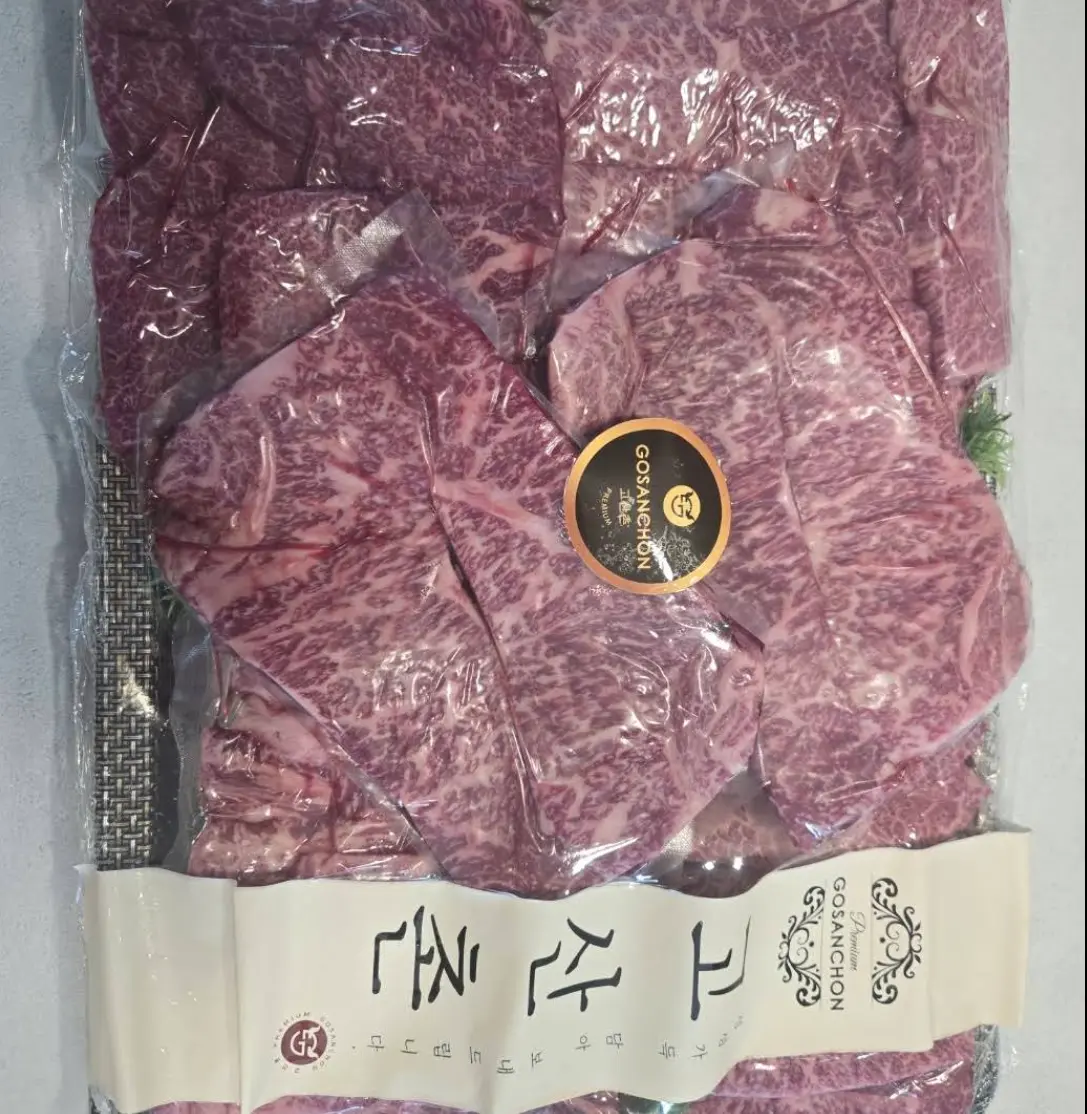
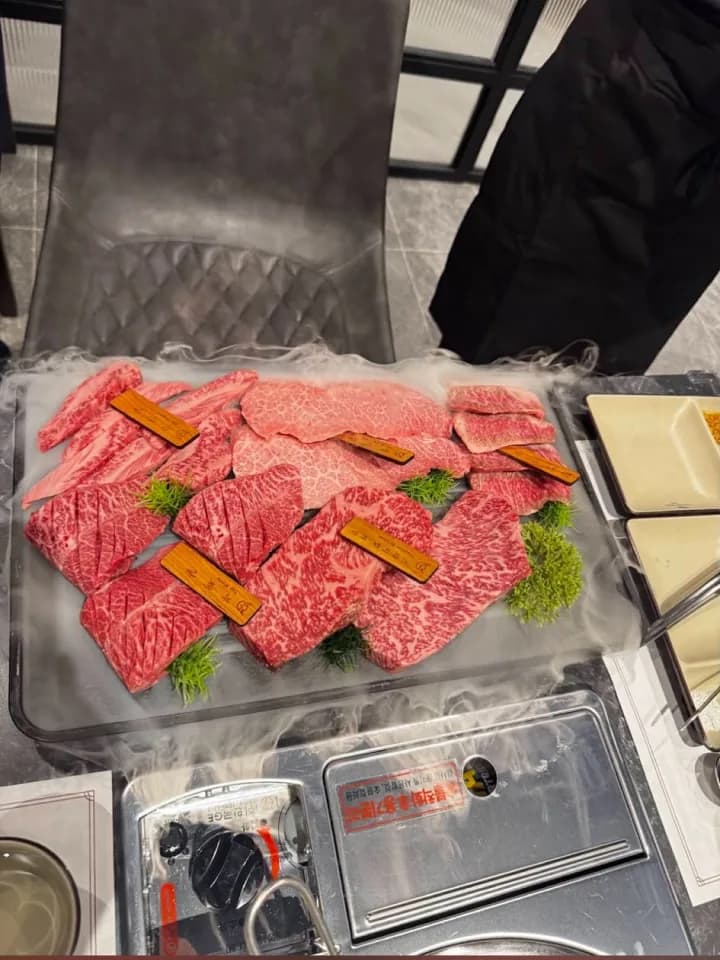
Two cuts of beef can carry a similar amount of visible marbling and still eat completely differently, because how much fat a cut contains matters less than the temperature at which that fat turns liquid. Beef fat's melting point isn't fixed - it shifts depending on the fatty acid composition of the fat itself, and that composition varies meaningfully by breed, diet, and how the animal was raised. A cut with fat that melts near body temperature behaves in the mouth in a completely different way from a cut with the same amount of fat that stays semi-solid until it's much hotter. This is easy to underestimate because marbling percentage is the number most often quoted or visible on a grading chart, while melting point is invisible until the meat is actually eaten, which is exactly why it gets overlooked in casual comparisons between different beefs.
Why the melting point varies at all
Fat with a higher proportion of unsaturated fatty acids - oleic acid in particular - has a lower melting point than fat dominated by saturated fatty acids, which stay more solid at lower temperatures. Cattle breed, feed, and finishing period all influence this ratio. Hanwoo is well known for developing fat with a notably high proportion of oleic acid, which is a large part of why its fat renders and turns liquid at a lower temperature than fat from many other cattle, even when the raw marbling percentage looks comparable on paper. Diet plays a direct role in building that fatty acid profile: cattle finished over an extended period on grain rations tend to develop a higher proportion of unsaturated fat than cattle finished mainly on grass, which is part of why feeding regime and finishing length are treated as seriously as marbling itself in breeds bred for eating quality.
What a low melting point actually feels like
Fat that melts below or near body temperature essentially disappears in the mouth - it turns to liquid the moment it's warm enough, coating the palate rather than requiring chewing, and it's part of why well-marbled Hanwoo can taste rich without feeling greasy or waxy afterward. Fat with a higher melting point does the opposite: it can still be present as a firmer, waxy texture on the tongue even after the cut has cooled slightly on the plate, which is the sensation most people mean when they describe a fatty cut as heavy rather than rich. It also explains why a dish can taste different depending on how quickly it's eaten after coming off the grill: fat with a low melting point stays liquid and pleasant for longer once plated, while higher-melting-point fat can firm back up disappointingly fast as the meat cools.
Why this matters more at the table than on paper
A marbling score on a grading certificate tells you how much fat is distributed through the muscle. It does not tell you how that fat will behave once it hits heat and then your mouth. Two carcasses with an identical quality grade can still deliver a different eating experience if their fat composition differs, which is one reason breed matters as much as the grade itself - the grading scale was built around expectations for a specific breed's typical fat chemistry, not as a universal measure that works identically across all cattle.
Tasting the difference directly
This is one of those things that's far easier to notice in person than to explain. Watch a well-marbled piece of Hanwoo on live charcoal and the fat visibly liquefies and glistens within seconds, well before the surface browns. Every table at GOSANCHON grills over real charcoal, which renders that fat properly rather than leaving it half-set. The menu lists the cuts where the effect is easiest to notice, particularly the more heavily marbled premium selections.