
The Beef
What Marbling Actually Does to Beef as It Cooks
19 September 2026 · 3 min read
Fat that lives inside the muscle, not around it
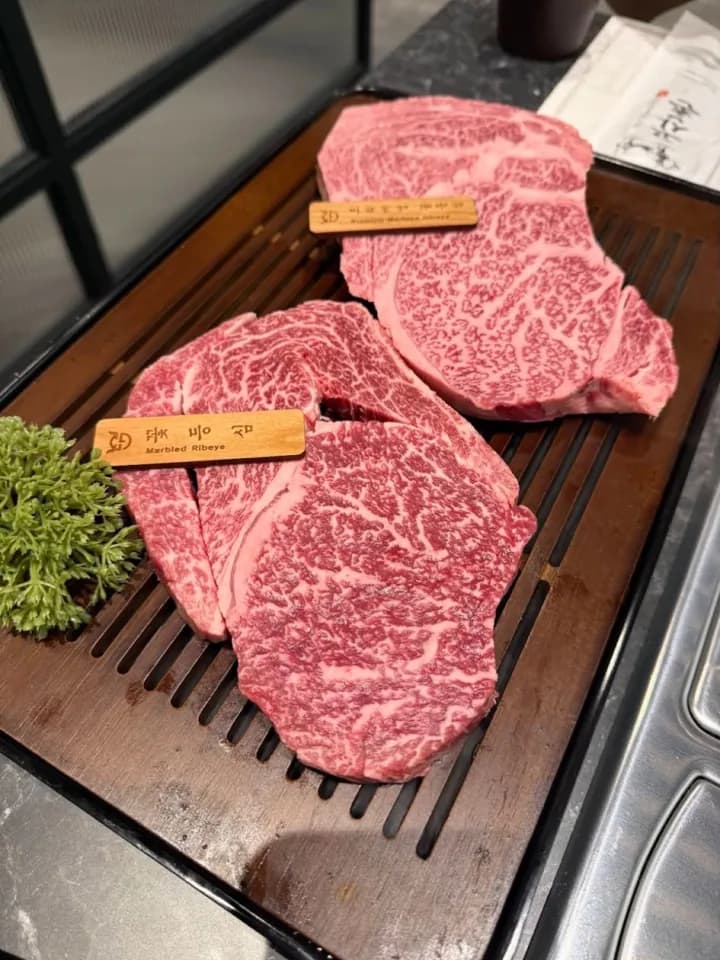
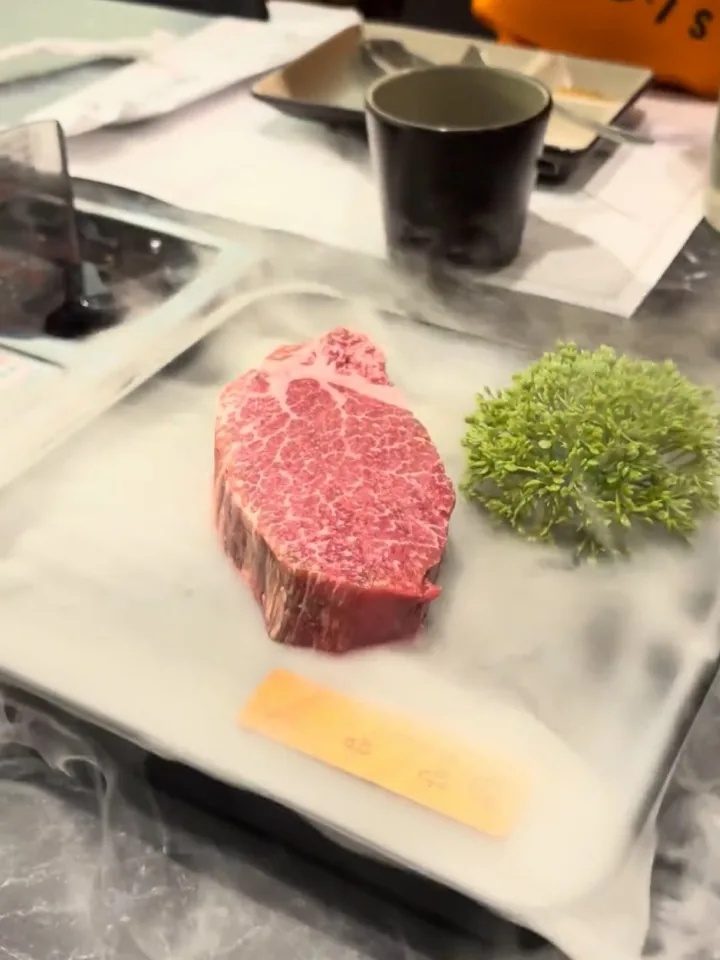
Marbling is intramuscular fat: thin threads and flecks of fat running through the muscle itself, distinct from the thicker fat cap that sits on the outside edge of a cut. On a raw piece of well-marbled beef, it looks like a fine web of white running through the red muscle fibers, which is exactly what gives the technique its name. That web is doing real, mechanical work once the beef hits the heat, not just adding calories. It's also worth separating marbling from the fat cap for another reason: trimming the outer fat before grilling is a matter of personal taste and doesn't change the eating experience much either way, but the marbling inside the muscle can't be trimmed away without cutting into the meat itself, which is why it defines the character of a cut far more than the fat around its edge does.
What actually happens as it cooks
As a marbled cut heats up, the fat threaded through the muscle begins to soften and then liquefy well before the surrounding muscle protein has finished cooking. That liquid fat does two things simultaneously: it bastes the muscle fibers from the inside, keeping them from drying out even as they cook through, and it carries flavor compounds that are fat-soluble, meaning much of what you register as "beefy" richness is literally dissolved in and released by that rendering fat. A lean cut cooked to the same internal temperature has none of this internal basting happening, which is why lean beef dries out and toughens far more easily over direct heat. This is also why the same cooking time can produce very different results on two different cuts: a well-marbled piece has a built-in margin for error that a lean one simply doesn't, because its own fat is actively working to keep it moist even a little past the ideal moment to pull it off the grill.
Why it changes texture, not just flavor
Marbling also changes how the muscle feels between the teeth. As the fat renders, it separates the muscle fibers slightly from each other, which reduces the resistance you feel when biting through the meat - part of what people describe as a marbled cut "melting." This is a structural effect, not just a flavor one: two cuts from the same muscle, one well-marbled and one lean, can require noticeably different amounts of chewing even when cooked to the exact same doneness. That's part of why marbling is often described as changing tenderness rather than simply adding richness - the two effects happen together, but they aren't the same thing, and a cut can be tender for reasons that have nothing to do with fat at all, such as which muscle it comes from.
Why more marbling isn't automatically better
Marbling has a ceiling. Rendered past a certain density, a cut can start to taste more of fat than of beef, and the muscle itself becomes harder to perceive underneath it - genuinely a different eating experience from a well-balanced marbled cut, and not necessarily a preferable one. This is also why grading systems don't simply reward "the most fat possible." Fine, evenly distributed marbling that still lets you taste and feel the muscle is generally considered more desirable than dense, heavy marbling that overwhelms it, which is part of what distinguishes premium Hanwoo's marbling pattern.
Watching it happen at the table
Marbling is easiest to understand by watching it, not reading about it: a piece of well-marbled Hanwoo laid on live charcoal visibly glistens and softens within seconds as the fat starts to render, long before the surface has fully browned. Every table at GOSANCHON grills over real charcoal specifically because that heat renders marbling well without cooking the muscle grey. The menu lists the cuts where the effect is most pronounced.