
The Table
What Is Banchan? Korea's Unlimited Side Dishes Explained
19 September 2026 · 3 min read
Sit down at a Korean restaurant and small plates arrive before you've ordered anything. These are banchan, the shared side dishes that accompany nearly every Korean meal, and understanding what they're for changes how you eat the rest of the meal.
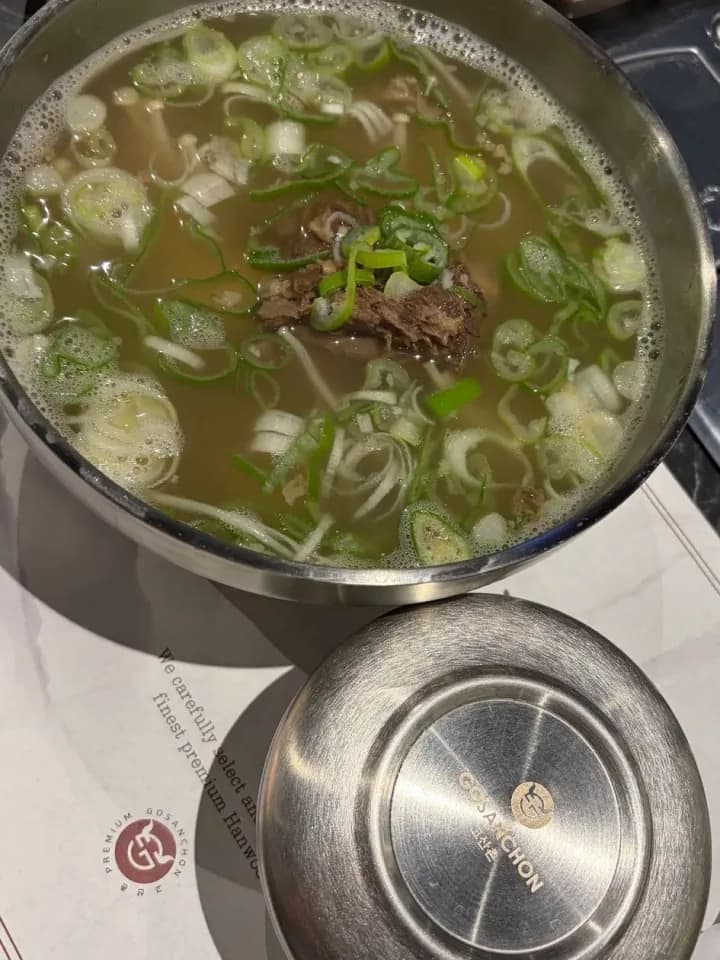
What Banchan Actually Are
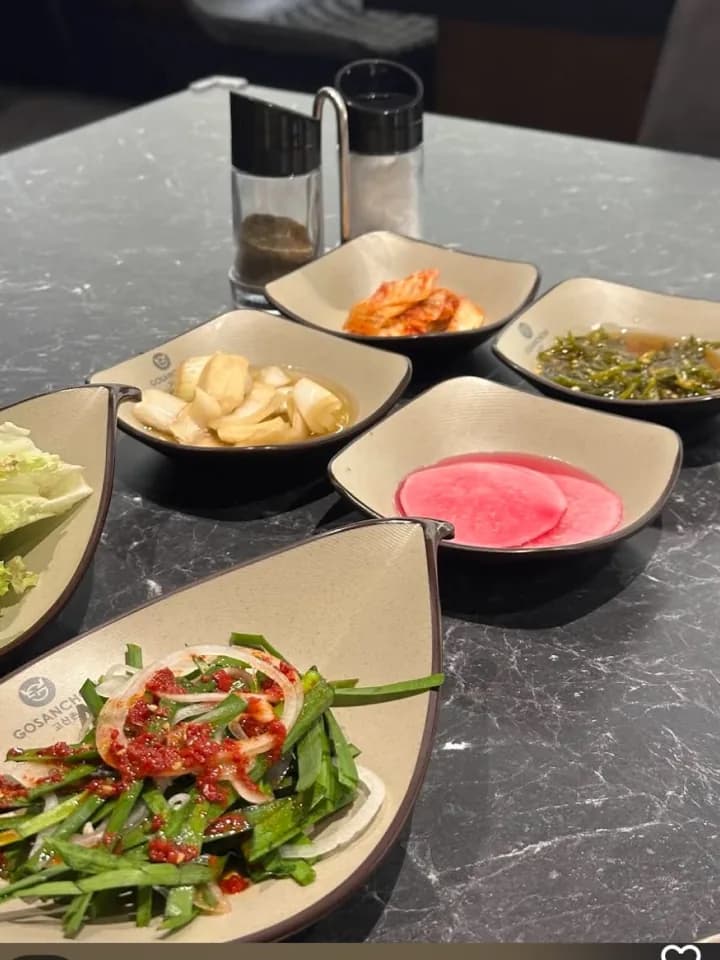
Banchan is the general term for the side dishes served alongside a Korean meal's main components, typically several small plates set in the centre of the table for everyone to share. The most familiar is kimchi, fermented and seasoned vegetables, usually napa cabbage, but a full spread can include seasoned vegetables, pickles, braised items, and other small preparations. They aren't appetisers in the sense of a starter course; they're served alongside the meal from start to finish and are meant to be returned to throughout.
Why They're Unlimited
Banchan being refillable rather than a fixed, one-time serving reflects the idea that a Korean meal is balanced across many small flavours and textures rather than built around one dominant dish. A grilled beef course is rich, fatty, and intensely savoury; banchan bring acidity, salt, crunch, and fermented depth that reset the palate between bites of meat. Treating them as bottomless makes sense once you see them as part of the meal's structure rather than a bonus.
How to Use Them With Beef
The simplest approach is to treat banchan as punctuation rather than a separate course. A bite of rich, charcoal-grilled beef followed by a bite of crisp pickled radish or a few threads of seasoned bean sprouts keeps the meal from becoming one-note, especially across a long dinner with multiple cuts. Some banchan, particularly kimchi, hold up well grilled briefly alongside the beef itself, picking up smoke while softening. There's no fixed order to eat them in; the point is variety, not sequence.
Banchan Inside a Ssam
Beyond eating banchan on their own, many are built to go inside a ssam, the lettuce or perilla leaf wrap used to eat grilled beef. A thin strand of pickled vegetable or a spoonful of seasoned salad tucked in alongside the beef adds a textural contrast that plain beef and rice can't. This is one of the more useful things to know as a newer guest: banchan aren't only a side to eat between bites, they're an ingredient you can build into the next bite.
Where the Habit Comes From
Serving a table with many small shared dishes rather than one large individual plate reflects a broader idea in Korean home cooking: a meal is meant to offer balance across the table rather than a single portion in front of each diner. Banchan carried that habit into restaurants, and refilling them for free carried the same spirit of hospitality into a commercial setting. It's a useful bit of context for a first-time guest, because it explains why asking for more of a favourite banchan is completely ordinary rather than something to hesitate over.
Not Filler, but Not the Main Event Either
It's worth saying plainly that banchan support the meal rather than replace the reason you came. At a restaurant built around premium beef, the side dishes exist to make the beef better, sharpening the appetite between rich bites and adding the acidity and crunch that fat alone can't provide. Loading up on banchan and skipping the beef misses the point of a beef-focused Korean meal, just as ignoring them entirely misses half the flavour on the table.
A table of banchan is refilled throughout the meal at GOSANCHON, meant to be eaten alongside the beef rather than around it. The experience covers how a full meal here comes together, course by course.