
The Cuts
Marinated vs Unmarinated Korean BBQ: When Sauce Helps
19 September 2026 · 3 min read
Yangnyeom galbi, marinated rib meat, is one of the most familiar dishes in Korean cooking, built on a sweet-savoury marinade of soy sauce, pear or apple, garlic, and sesame oil. It is also one of the clearest examples of a broader question that comes up at any beef table: when does a marinade improve a cut, and when does it just cover for one? The answer has less to do with tradition and more to do with what a specific cut already has going for it before any sauce touches it.
What a Marinade Actually Does
A marinade works on beef in a few distinct ways. Sugars and soy caramelise at the grill's surface, building colour and a savoury crust faster than salt alone would. Aromatics like garlic and pear contribute flavour that the meat itself doesn't have. Some marinades also tenderise slightly, softening tougher fibres in cuts that come from harder-working muscles. None of that requires bad meat to work. It simply changes what the finished bite tastes like, layering a seasoned crust over whatever the beef brings on its own, which is exactly why the effect is so different depending on what is underneath it.
Why Premium Cuts Usually Skip It
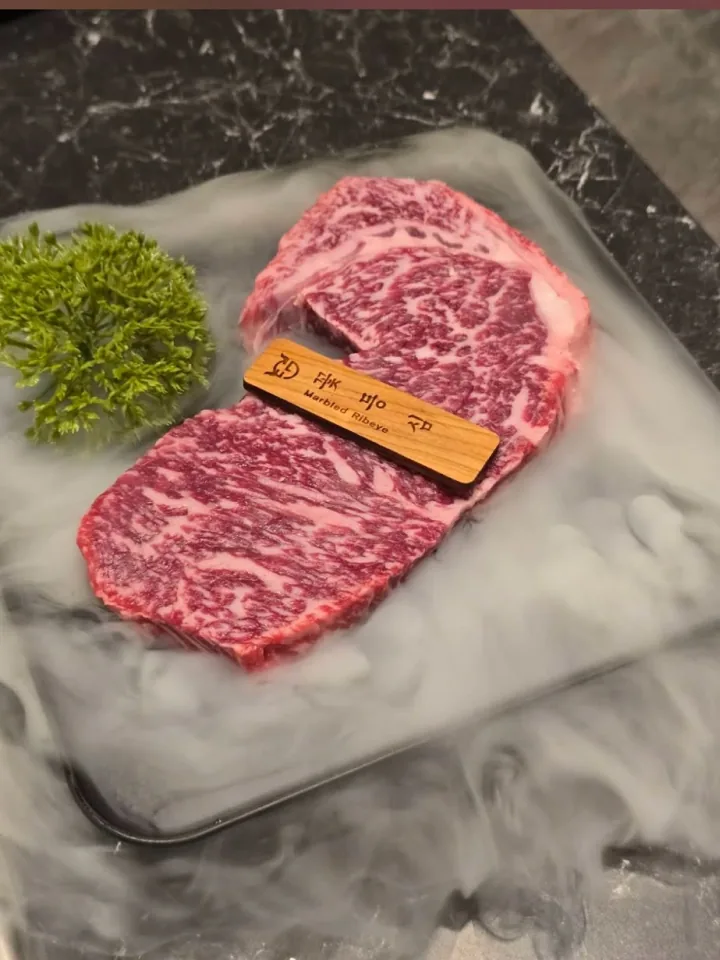
A well-marbled, tender cut like ribeye or striploin already has what a marinade is trying to create: rich flavour from rendering fat, a naturally soft bite, and enough character to stand on salt alone. Marinating a cut like this doesn't ruin it, but it does mute the thing that makes it worth the price. The sauce becomes the dominant flavour, and the specific texture and grade of the beef underneath becomes harder to taste. This is why the most expensive items on a serious Hanwoo menu are almost always served plain, seasoned at most with salt, so nothing stands between the diner and the marbling they are actually paying for.
Where Marinade Genuinely Helps
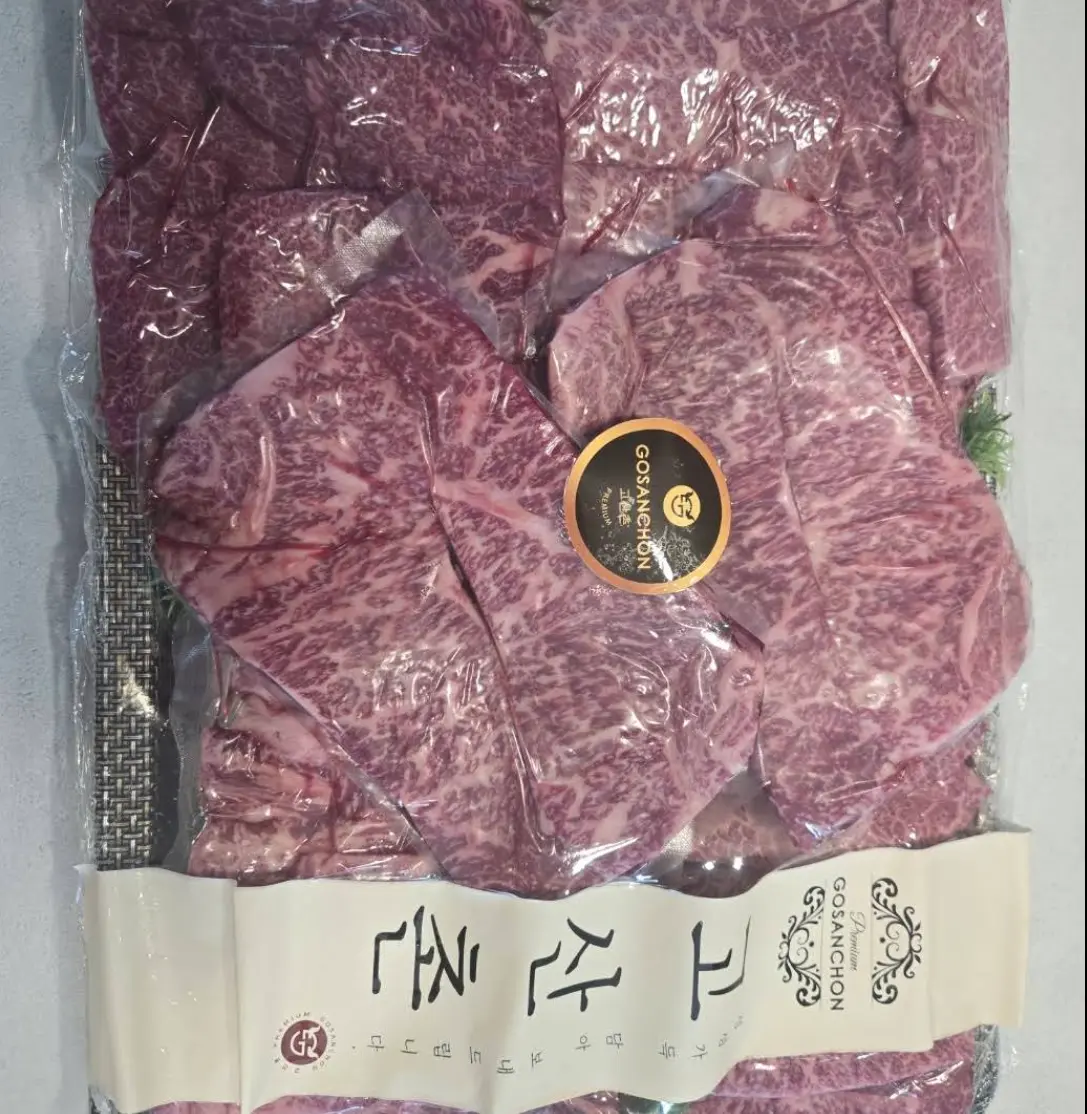
Leaner or firmer cuts, and more affordable grades, are a different story. A marinade gives them a flavour profile that doesn't depend entirely on fat content, and makes a cut more approachable for anyone new to Korean beef or easing a group into the meal before the premium cuts arrive. At GOSANCHON, Marinated Hanwoo Ribeye, yangnyeom deungsim, plays exactly this role: a seasoned, sweet-savoury option that sits comfortably early in a meal or works well for guests who prefer a more familiar flavour profile to the plain, salt-only style of the premium cuts. It is also a gentler entry point for a table that has never tried Hanwoo before and wants something recognisable to start with.
Reading a Menu With This in Mind
The presence of both marinated and unmarinated options on a good beef menu isn't a hedge, it is a deliberate range. A table can open with something marinated and immediately readable, then move into unmarinated premium cuts once the palate is warmed up and attention has narrowed to the meat itself. Neither approach is more "authentic" than the other. They simply serve different moments in the same meal, and knowing which moment you are in makes it easier to decide what to order next. A table that skips the marinated option entirely isn't missing anything essential, and a table that stays with it the whole night isn't doing it wrong either. It is simply a matter of what kind of flavour you want leading the meal.
Seeing both styles side by side makes the distinction easier to taste than to explain. The menu lists GOSANCHON's marinated option alongside its plain-grilled premium cuts, so a table can order across the range in one sitting.