
The Fire
The Doneness Hanwoo Is Built For, and Why Well-Done Wastes It
19 September 2026 · 3 min read
Doneness is a matter of personal preference for most beef, and no one should be told how to eat their steak. But Hanwoo, Korea's native beef breed, is a specific case worth understanding before you order it, because its defining quality, dense, fine-grained marbling, only shows up fully within a fairly narrow doneness window, and cooking past that window changes what you are actually eating.
What Marbling Actually Needs From Heat
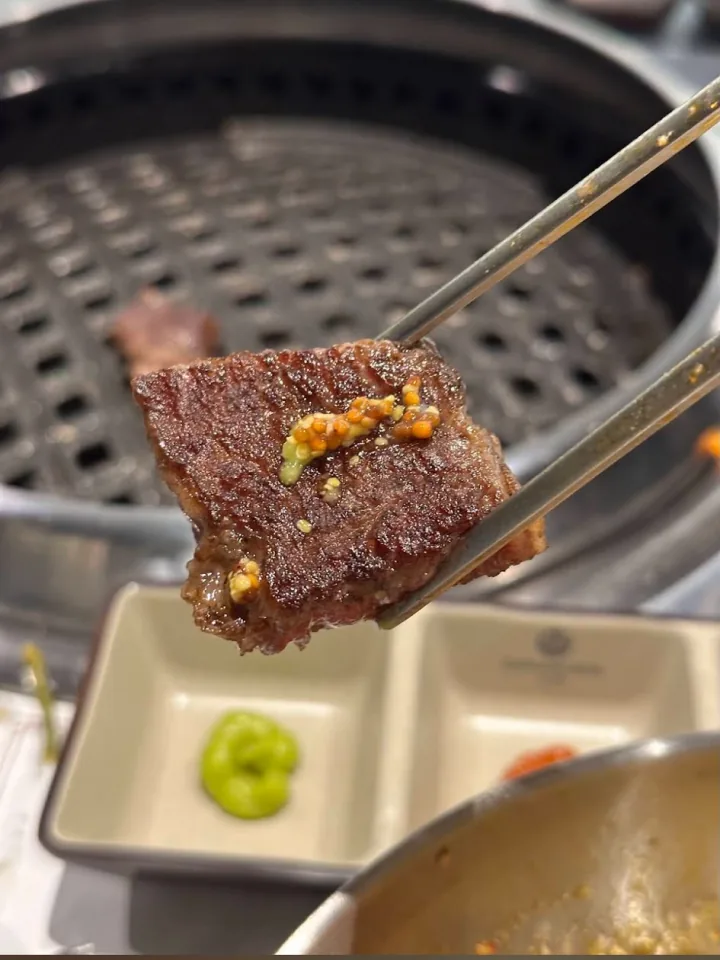
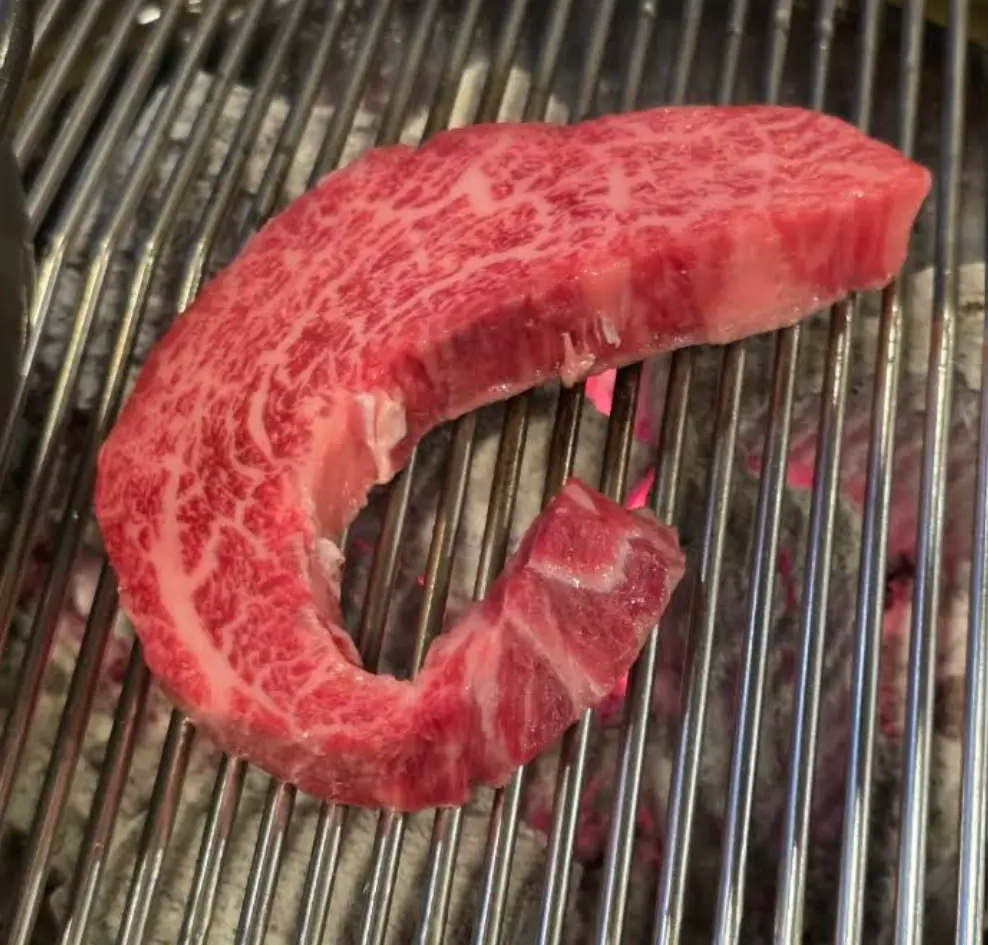
The fat threaded through a well-marbled Hanwoo cut starts softening and rendering at a lower temperature than the surrounding muscle needs to reach for the meat to firm up and turn grey. That gap is where the appeal lives. Cook a marbled cut to the point where the fat has rendered but the muscle is still pink and yielding, roughly medium-rare, and you get the full effect: a bite that's soft, glistening, and carries the rich flavour that fat brings without tasting greasy. Push past that point and the muscle keeps cooking well after the fat has already done its work, gaining nothing further from the extra time on the grill.
What Well-Done Actually Does to a Marbled Cut
Cooking a richly marbled cut to well-done doesn't just change the colour. It squeezes out much of the moisture the marbling was supposed to provide, tightening the muscle fibres and leaving a texture closer to a lean, ordinary cut than to the specific thing being paid for. All the visible marbling on a raw ribeye represents fat that renders and disperses well before well-done heat is reached, so what's left on the plate at that point has already given up its best quality with nothing to show for it. This is precisely the difference between eating tender fat-marbled beef and eating beef that used to have fat in it.
Why Leaner Cuts Are More Forgiving
Not every cut needs the same caution. Leaner muscles like tenderloin, or firmer, harder-working cuts like outside skirt or hanging tender, don't carry the same dense marbling and are more forgiving across a wider doneness range, since there's less fat-rendering payoff to lose by cooking a little further. The stakes rise specifically with the most heavily marbled cuts: ribeye and striploin at Premium grade, where the entire point of ordering that grade is the marbling itself, and losing it to overcooking undoes exactly what was paid for.
Reading the Grill, Not the Clock
Doneness for beef this rich is better judged by touch and colour than by a fixed number of minutes, since thickness and starting temperature both shift the timing. A cut is generally ready to come off, or move to a cooler part of the grill, when the surface has coloured and firmed while the centre still gives slightly under light pressure. Resting it briefly before cutting lets the heat even out without pushing the centre any further toward grey, and it is one of the simplest habits that separates a carefully grilled cut from a rushed one.
Ordering With This in Mind
None of this means well-done is wrong to prefer. It means a well-done request on a heavily marbled premium cut is, in effect, asking for a different, less interesting piece of meat than the one on the plate. For anyone tasting Hanwoo specifically to understand what the breed and the grade are known for, medium-rare is where that reputation is actually built, and it is worth trying at least once even for diners who usually prefer their beef further along.
To taste that difference firsthand, the menu lists GOSANCHON's marbled cuts by grade, each one grilled to bring out exactly this point in the fat.