
The Cuts
Toshisal and Other Rare Korean Beef Cuts Worth Knowing
19 September 2026 · 3 min read
Every animal yields a handful of cuts too small, too odd-shaped, or too limited in supply to sit on every menu. In Korean butchery these are sometimes called the butcher's cuts: pieces a traditional Korean butcher's shop, or jeongyukjeom, would trim and keep for regulars rather than send out in bulk. Toshisal is the best-known of them, and understanding why it is rare says something useful about how a whole carcass actually breaks down.
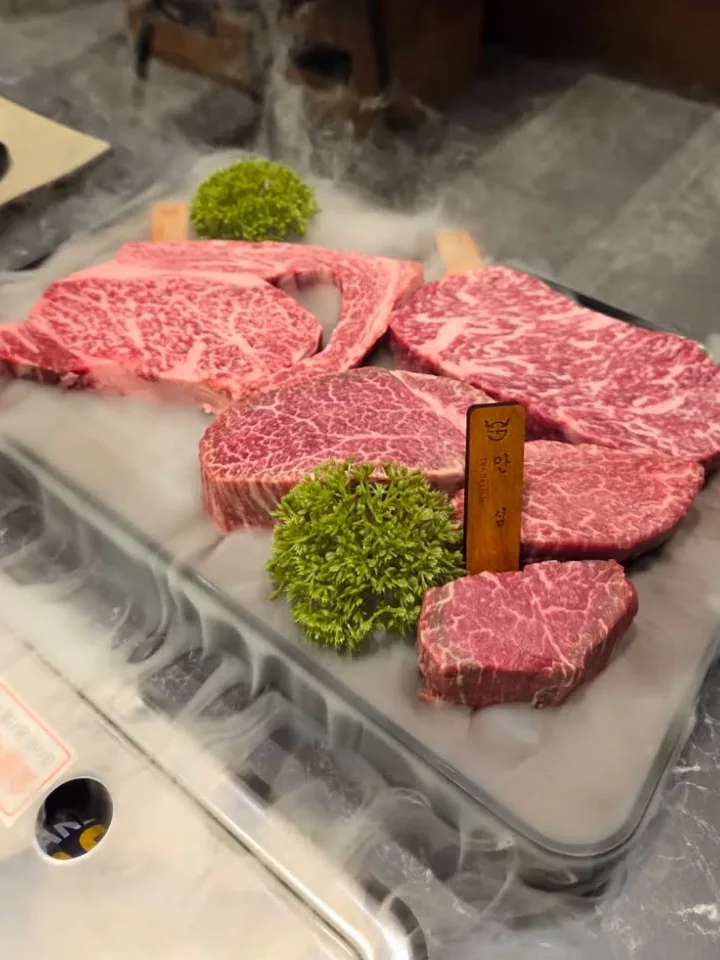
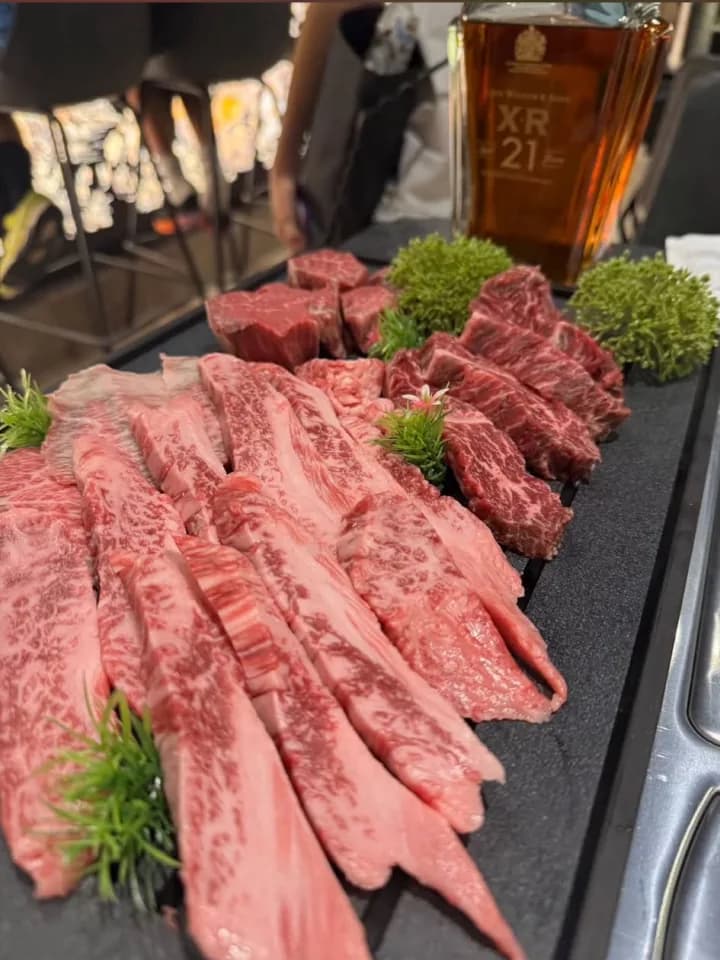
What Toshisal Actually Is
Toshisal, hanging tender, comes from the diaphragm area, a hardworking muscle that develops a distinctive, slightly coarse grain and a deep, almost mineral flavour unlike the buttery richness of ribeye or striploin. Because each animal yields only a small amount of it, toshisal has traditionally been scarce and, among people who know to ask for it, sought after. Its texture rewards a hot, fast sear: a short time over live charcoal firms the outside while keeping the centre tender, and slicing it against the grain afterward makes the difference between a pleasantly chewy bite and a tough one.
Jeoksim and the Idea Behind It
Jeoksim is another term that comes up in conversations about lesser-known Korean beef cuts, referring to small, well-worked muscles that carcass butchery yields only a little of at a time. The broader idea matters more than any single name: a carcass is not just a handful of headline cuts repeated at scale. It is dozens of individual muscles, several of which are genuinely excellent but too small in volume to become a standard menu item everywhere. Knowing that these cuts exist, even before you can name each one, changes how you read an unfamiliar section of a Korean BBQ menu.
Why Restaurants Feature Them at All
A restaurant that displays whole sides of Hanwoo in a chilled cabinet and cuts to order, rather than working from pre-portioned trays, is in a position to offer these smaller cuts precisely because nothing is wasted and nothing sits pre-cut waiting for a buyer. At GOSANCHON, Premium Hanging Tender, toshisal, sits on the menu alongside other cuts that don't always make it to a standard Korean BBQ table: Premium Outside Skirt, ansangsal, Rib Fingers, neukgansal, and Top Blade, buchaesal. Each comes from a different, harder-to-portion part of the animal, and each has its own grain, chew, and fat behaviour, which is part of what makes ordering across several of them at once so informative.
How to Approach Them at the Table
These cuts are not a substitute for ribeye or tenderloin; they are a different kind of pleasure, closer to what a butcher eats. They tend to reward simple seasoning, a short time on the grill, and slicing against the grain once cooked. Ordering one alongside a more familiar cut gives a table a useful comparison: the smooth, even richness of a well-marbled loin cut next to the leaner, more assertive character of a working muscle. Neither one makes the other less worthwhile; they simply show two different sides of the same animal.
A Small Portion Is Part of the Point
Because cuts like toshisal exist in such limited quantity per animal, they are almost always served in smaller portions than loin cuts, and that scarcity is part of what makes them interesting rather than a drawback. A table that orders one of these cuts is tasting something that could never realistically anchor a whole meal on its own, which is exactly why it works best as one course among several rather than the centrepiece. Treating it that way, as a focused detour rather than a main event, tends to make for a more satisfying result than expecting it to behave like a ribeye.
For anyone who has already worked through the familiar cuts and wants to taste further into the animal, the menu lists these rarer selections alongside the classics, so a table can build its own comparison as the night goes on.