
The Beef
Why Hanwoo Is an Occasion in Korea, Not an Everyday Ingredient
19 September 2026 · 3 min read
Why beef was never the everyday order
For most of Korean food history, beef simply wasn't a daily food the way rice, vegetables, or even pork was. Cattle were expensive to raise, slow to mature, and for centuries valued more as labor - ploughing fields, hauling loads - than as a source of meat. A family that owned an ox owned real wealth, not a future meal. That scarcity shaped a habit of mind that has outlasted the original economic reason for it: beef, and Hanwoo specifically, still carries the weight of something you serve when an occasion calls for it, not something you reach for on an ordinary weeknight. Rice, vegetables, and fermented side dishes filled out the everyday table for most of Korean history, while meat, and beef most of all, sat at the edge of that table waiting for a reason to appear.
Beef as the language of a milestone
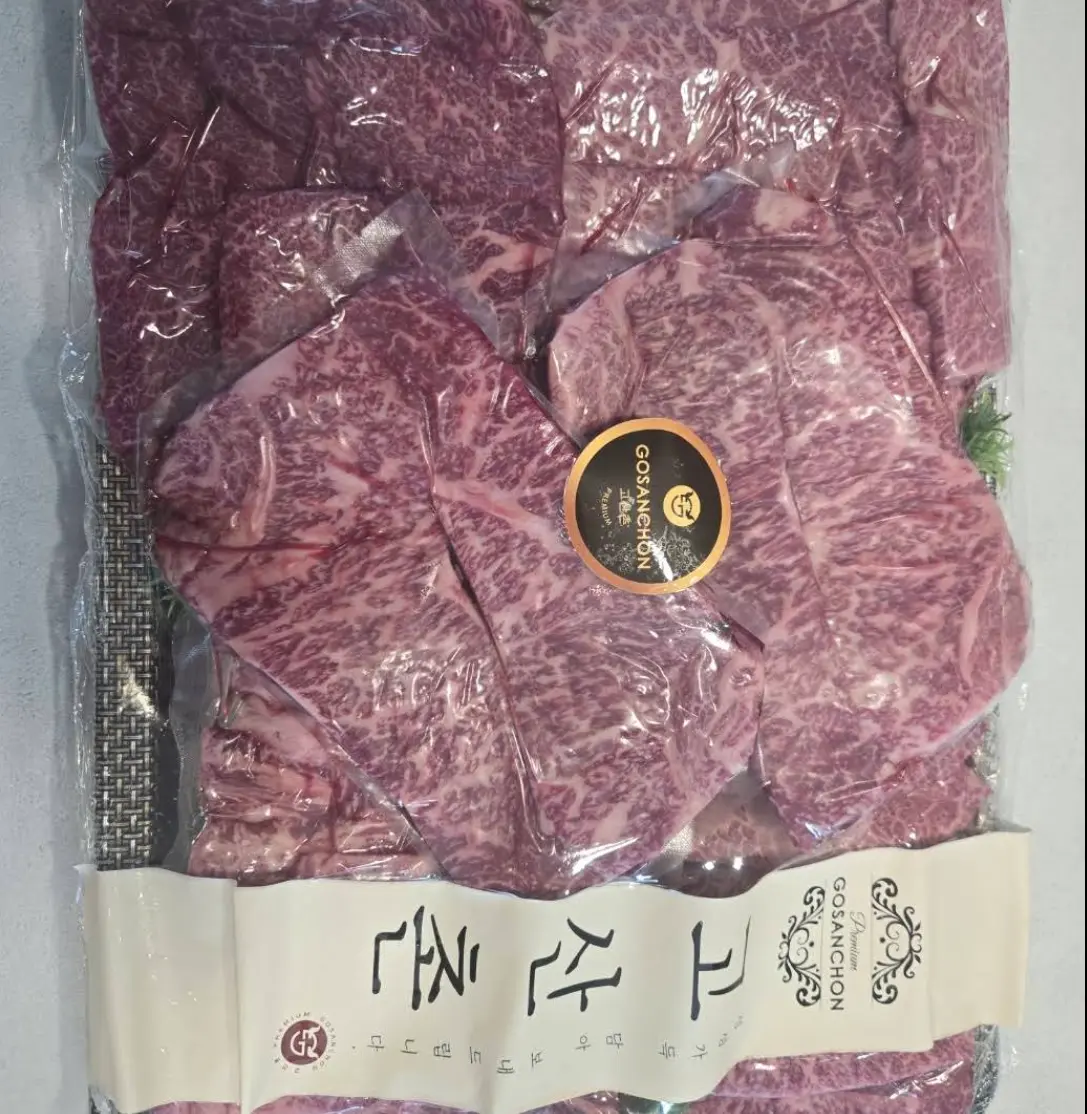
That association shows up clearly in how Hanwoo gets used around specific life events. It appears at doljanchi, a child's first birthday celebration, at graduations, at the announcement of a promotion or a new job, and as a formal gift during major holidays like Chuseok and Lunar New Year, when boxed sets of graded Hanwoo are a recognized, high-status gift between families, employers, and business partners. Giving Hanwoo as a gift works precisely because everyone receiving it understands its cost and rarity without being told - the gesture communicates respect and investment in the relationship in a way a cheaper cut simply couldn't. Department stores and markets across Korea still build entire seasonal displays around graded Hanwoo gift boxes in the weeks before Chuseok and Lunar New Year, which says something about how mainstream and expected the custom still is.
Distinguishing it from everyday Korean BBQ
This is also what separates Hanwoo from the Korean barbecue most visitors encounter first. Samgyeopsal, grilled pork belly, is the genuinely everyday version of Korean tabletop grilling: affordable, casual, ordered on a random weekday with coworkers or friends without much occasion needed. Hanwoo BBQ sits in a different category entirely, reserved for dinners that are already meaningful - closing a deal, celebrating a birthday, hosting family visiting from out of town - rather than functioning as a casual weeknight habit. The two experiences share a grill and a set of side dishes, but they don't share a social role. Understanding that distinction also explains a common point of confusion for first-time visitors to Korea, who sometimes expect all Korean barbecue to be roughly interchangeable in price and formality; walking into a Hanwoo restaurant with samgyeopsal expectations, or the reverse, misreads what each occasion is actually for.
A quiet ritual around the ordering itself
The occasion-based nature of Hanwoo also shapes how it tends to be eaten, even outside Korea. Guests often order it as a shared moment rather than an individual meal - a table agreeing together on which cuts to try, watching them cut and grilled, treating the sequence of cuts almost like a tasting rather than simply fuelling up. That unhurried, communal pace is part of the cultural inheritance, not an accident of the format. It also explains why Hanwoo dinners tend to run longer than a typical meal out: the point was never to eat quickly, but to make room for a conversation the occasion itself was built around.
Bringing that occasion to Kuala Lumpur
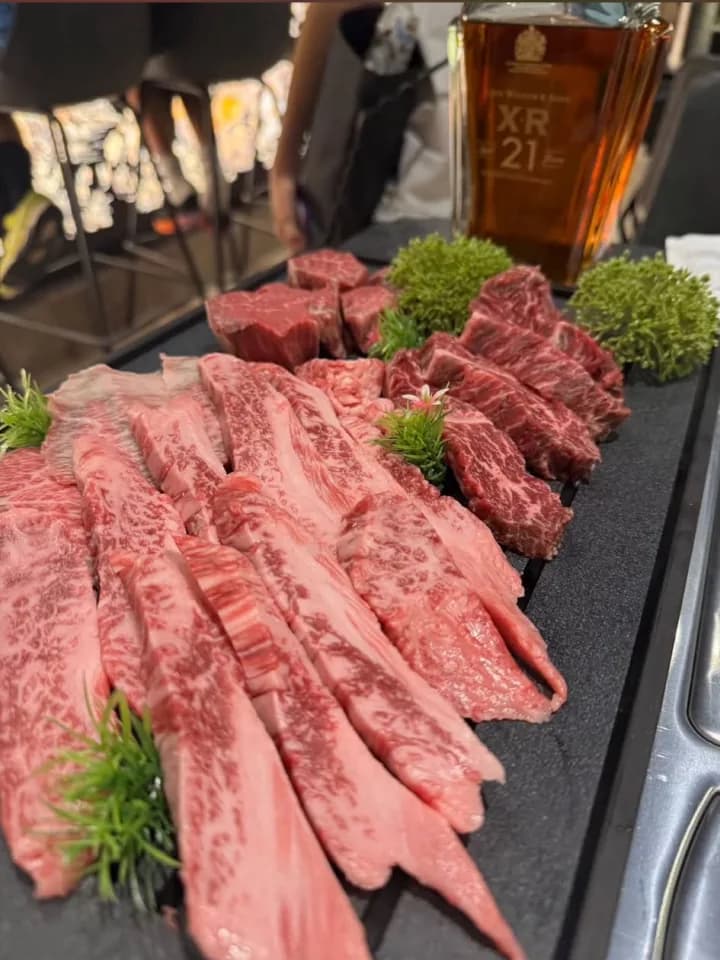
That's the spirit GOSANCHON tries to hold onto at MET Galleria: Hanwoo cut to order at a butcher's counter, grilled over live charcoal at your table, in six private dining rooms for gatherings that call for a bit more privacy. If you're marking something worth marking, private dining is worth a look.