
The Beef
How a Restaurant Keeps Fresh Hanwoo Beef From Delivery to Grill
19 September 2026 · 3 min read
Freshness in beef is not a marketing word. It is a measurable condition, and it starts degrading the moment a cut is exposed to air, handled, or held at the wrong temperature. For a restaurant built around premium Hanwoo (authentic Korean native beef), managing that window between delivery and the grill is one of the most unglamorous, important jobs in the building.
Cold Is Not Optional
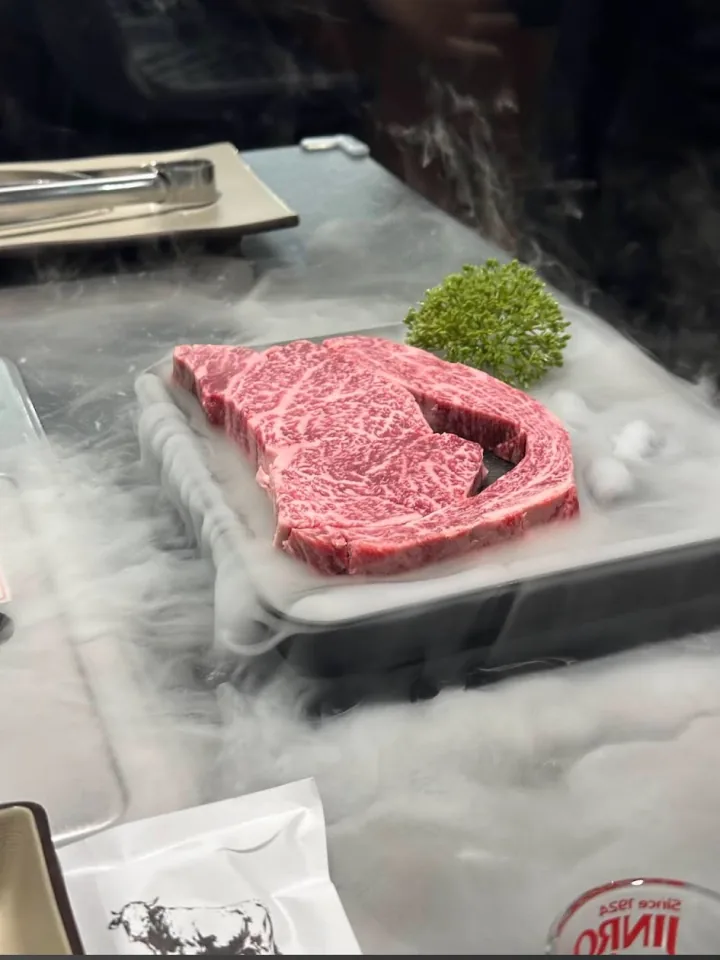
Beef quality depends heavily on an unbroken cold chain: a consistent, low temperature maintained from the moment it leaves processing until it reaches the plate. Every time beef warms even slightly and is re-chilled, it loses a little textural and flavour integrity, and the risk of bacterial growth rises. A restaurant serious about freshness treats refrigeration as infrastructure, not an afterthought, which is why beef is kept visibly cold in a chilled display cabinet rather than pulled from deep storage only when ordered.
Whole Cuts, Not Pre-Sliced Trays
One of the simplest ways to protect freshness is to delay cutting for as long as possible. A whole or half cut of beef has far less exposed surface area than the same beef pre-sliced into individual portions, and exposed surface is where oxidation and moisture loss happen fastest. This is the practical reason behind cutting to order at a butcher's counter: beef that is sliced only once a table orders it has had almost no time exposed to air before it reaches the grill, compared to beef portioned hours earlier and held under plastic.
Reading Freshness Yourself
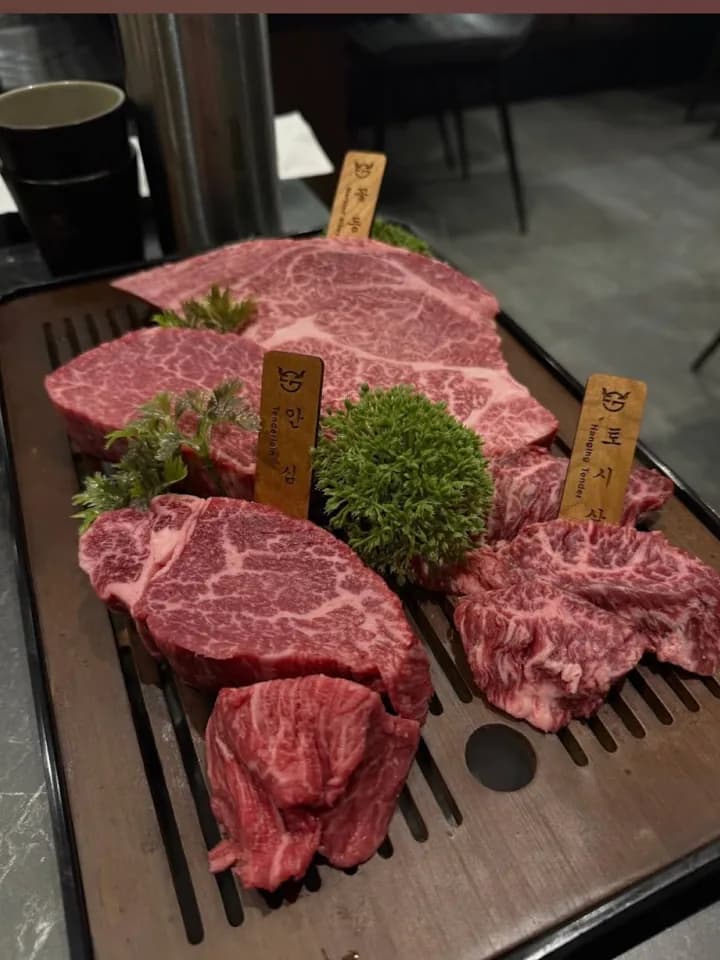
You don't need a lab to judge freshness at the table. Fresh Hanwoo has a clean, deep red colour rather than a dull brownish tone, firm rather than slack texture, and marbling that looks like a fine, even web rather than yellowed or separated fat. Smell matters too: fresh beef has almost no odour at all. Any of these cues shifting is a sign that beef has been sitting longer than it should have, regardless of how it's described on a menu.
What Shortens the Window
A handful of ordinary factors decide how quickly a cut of beef loses freshness once it's exposed: how much surface area is in contact with air, how consistently it's kept cold, and how many times it's handled between arrival and the plate. None of these are unique to any one restaurant; they're the same variables that determine freshness in any kitchen working with perishable meat. What varies is how seriously a kitchen manages them, and a beef-focused restaurant generally has more reason to manage them tightly than one where beef is a small part of a larger menu.
Turnover Is the Real Guarantee
No cold chain or display cabinet substitutes for simply moving through beef quickly. A restaurant that sells through its display regularly is buying in smaller, more frequent batches, which means what's in the cabinet on a Tuesday night is closer to what arrived that week than what's been sitting for a slow stretch. This is one of the quieter reasons a busy beef restaurant can actually serve fresher meat than a quiet one charging the same price: demand keeps the inventory moving.
What This Means for a Guest
You can't see a cold chain, but you can see its results: a cabinet that looks the same at close as it did at open, cuts with clean colour and tight marbling, and a butcher's counter that slices only once you've ordered. Those are the visible signs that freshness has been managed with the same seriousness as the cooking itself, from the moment the beef arrived.
At GOSANCHON, Hanwoo is held in a chilled display cabinet and cut to order at the butcher's counter, keeping exposure to a minimum before it reaches the grill. The menu lists the cuts available to order this way.