
The Cuts
What Is Galbi? Korean Short Rib, and Why the Bone Matters
19 September 2026 · 3 min read
Galbi (갈비) means "rib" in Korean, and refers to short rib: a cut taken from the lower rib section of the animal that includes both the meat and a cross-section of rib bone. It's one of the few cuts in Korean BBQ that's traditionally cooked and served bone-in, and that one detail changes almost everything about how it cooks compared to a boneless cut like ribeye or striploin.
What makes it a "short" rib
Short ribs come from the lower portion of the rib cage, below where cuts like ribeye are taken, in an area that does more work supporting the animal and carries a mix of meat, connective tissue and fat around the bone. That connective tissue is why short rib has traditionally been associated with slower cooking methods like braising (galbi-jjim) as much as grilling (galbi-gui): the tougher structure benefits from time, whether that time comes from heat or from a knife score across the meat before grilling.
Because of this, short rib has historically been considered a more rustic, communal cut than something like tenderloin, often centred on family tables and shared grills rather than portioned out as a single clean steak.
Why the bone changes how it cooks
Bone conducts heat differently than muscle and fat. On a charcoal grill, a bone-in piece heats more slowly and unevenly than a boneless cut of the same thickness, which protects the meat closest to the bone from overcooking while the rest sears. The bone also holds moisture in during cooking, acting as a natural buffer, and it contributes flavour of its own as marrow and connective tissue soften with heat. This is part of why galbi is often cut in a butterflied or scored pattern rather than as a simple slab: opening the meat out from the bone increases surface area for the marinade or the grill to reach, while the bone continues to anchor moisture and flavour underneath.
Marinated versus fresh
Galbi is served both ways in Korean cooking: marinated in a soy-based mixture with pear, garlic and sesame oil for a sweeter, caramelised result, or left fresh and seasoned simply with salt to let the meat and rib fat speak for themselves, closer to how a premium ribeye or striploin is treated. Which style suits a piece of beef often comes down to the grade and marbling of the cut itself. Highly marbled beef generally needs less help from a marinade; leaner or tougher rib cuts benefit more from one.
Rib fingers: a related but different cut
It's worth distinguishing galbi from rib fingers, the strips of intercostal meat that run between the rib bones rather than around them. Rib fingers are removed from the bone during butchery and sold as their own boneless cut, with a looser grain and a chew closer to skirt or hanger steak than to galbi's denser bite. The two come from the same general rib area of the animal, but a butcher preparing galbi and a butcher preparing rib fingers are working with different muscles entirely, not just different cuts of the same one.
Ordering it at a butcher-counter restaurant
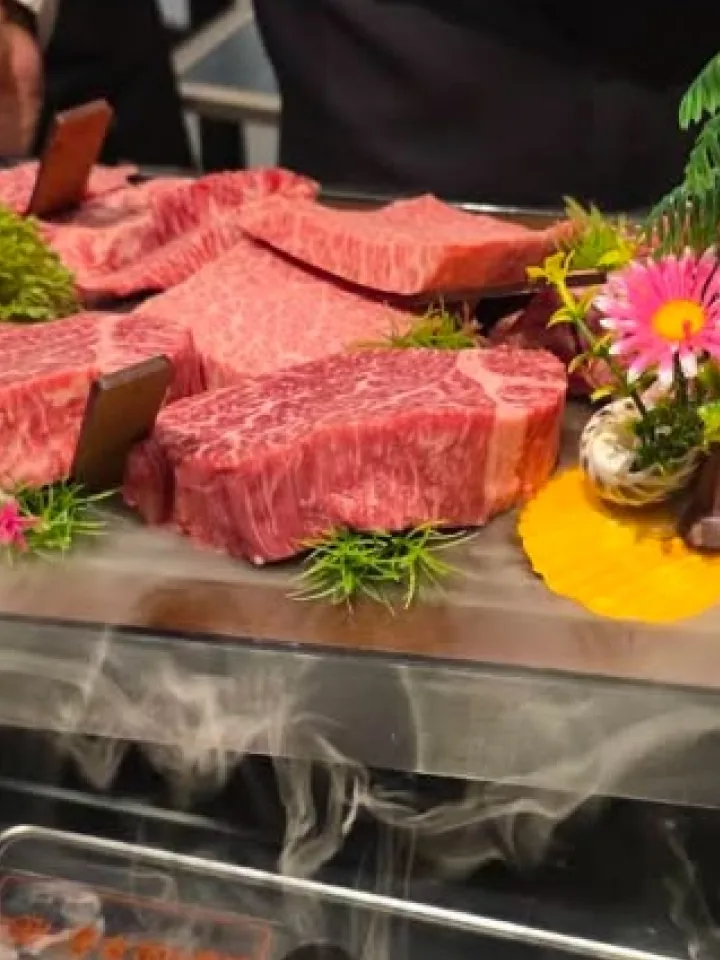
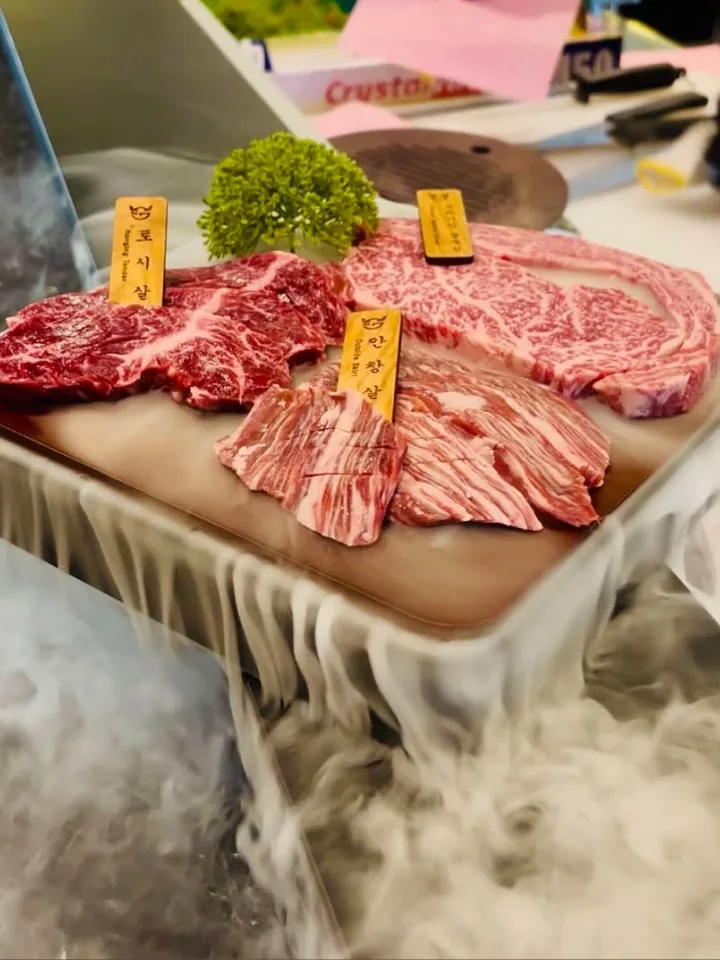
Because short rib is cut across bone rather than along a single clean muscle, how it's portioned varies more than a cut like tenderloin, which is one reason it's worth asking at the butcher's counter what's being cut that day rather than assuming a fixed weight or thickness. At GOSANCHON, Hanwoo is displayed in a chilled cabinet and cut to order in full view of the table, so it's easy to ask exactly what you're getting before it reaches the charcoal. To see what that process looks like in the room, read more about the experience.