
The Fire
Grill Plate Geography: How to Read a Charcoal BBQ Grill
19 September 2026 · 3 min read
A charcoal grill looks like a single flat surface, but it isn't. Anyone who has cooked over live coals for long enough starts to see it differently: a hot centre, a cooler rim, and a handful of zones in between, each doing a different job. Learning to read that geography is most of what separates confident grilling from guesswork.
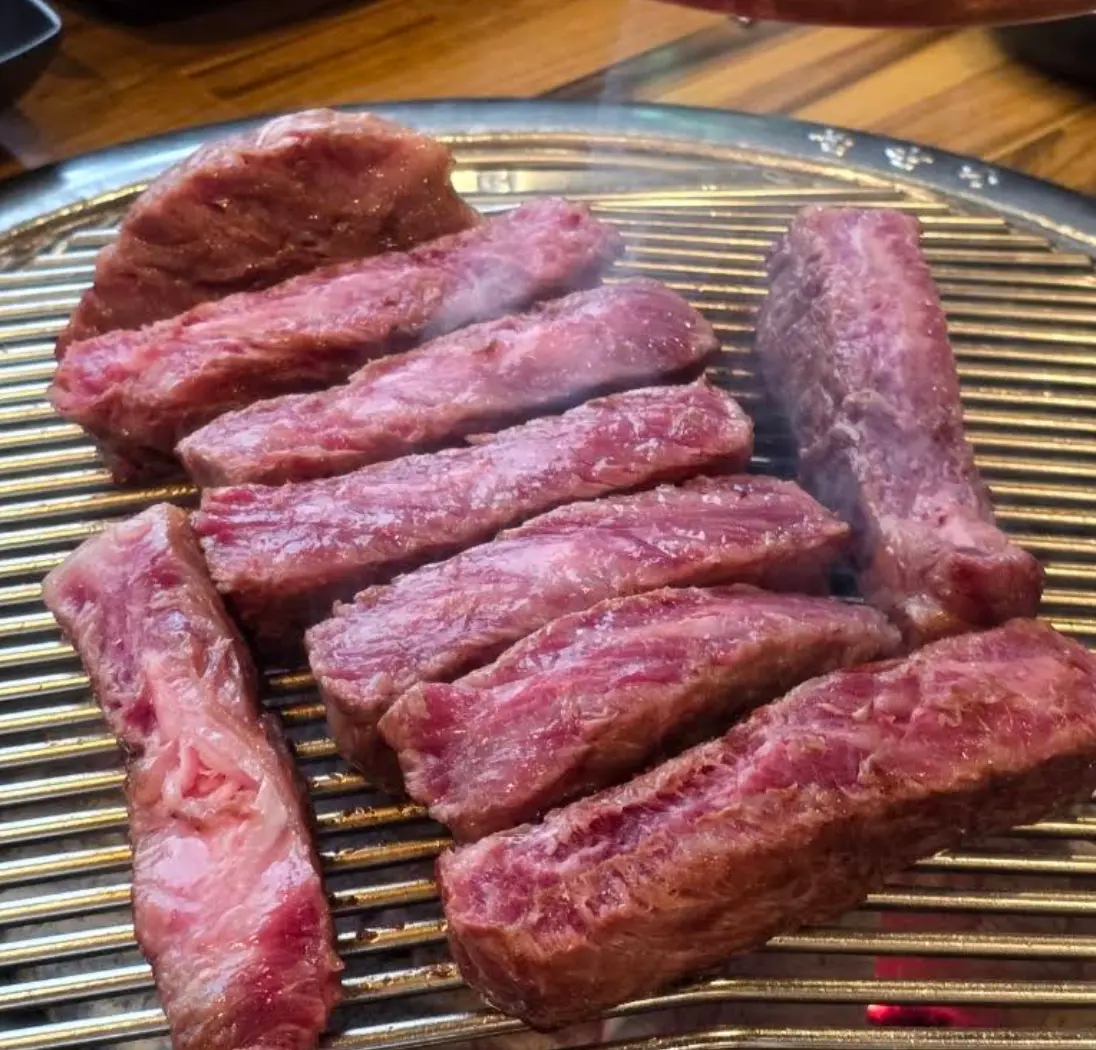
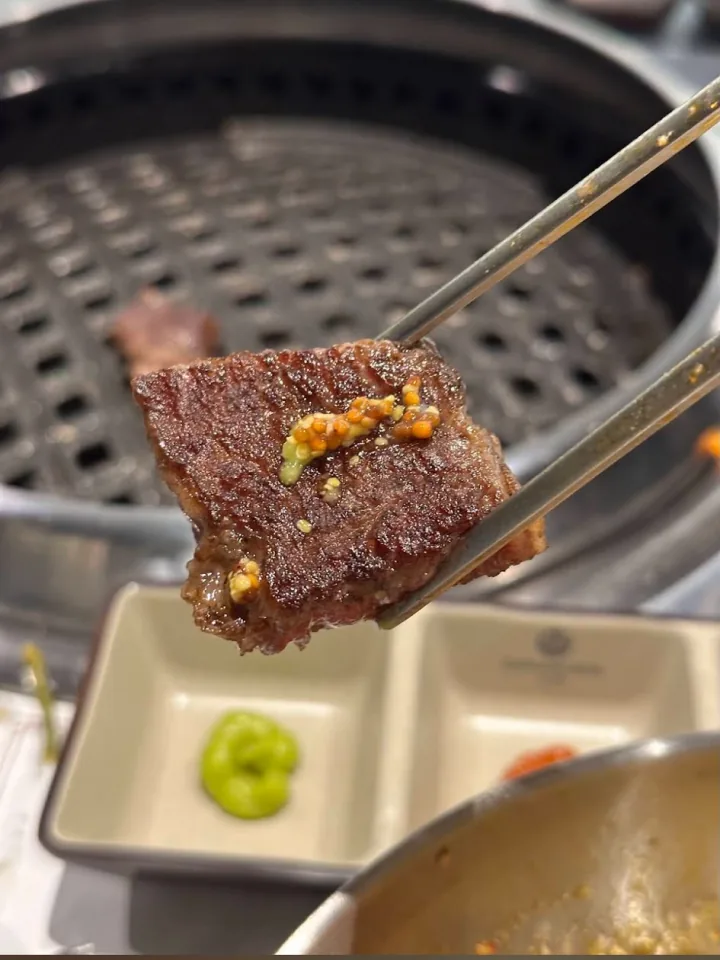
The searing zone
Directly over the densest bed of coals is the hottest part of any charcoal grill plate, radiating fierce, direct heat that a piece of beef feels the instant it lands. This is where a cut goes first: fat hits the surface, moisture flashes off, and a crust starts forming within seconds. It is not where meat finishes cooking. It is where it starts.
Cuts with more surface fat, like marbled ribeye or chadolbaegi (thinly sliced beef brisket), benefit from a hard, brief pass through this zone. Leaner cuts still need it, just for less time, because a crust is what gives grilled beef its flavour contrast against the tender centre.
The resting edge
Move outward from the coals and the plate cools by degrees. The outer ring of a charcoal grill isn't a lesser part of it, it's a separate tool: gentle, ambient heat that lets a piece that has already been seared finish cooking through without drying out or scorching.
A cut that has developed its crust gets moved here to hold, rest, or finish slowly while the centre catches up to the surface. This is also where already-cooked pieces wait before they're eaten, staying warm without continuing to cook hard. Without this zone, every piece on the grill would be either raw or overdone, with nothing in between.
Reading the coals themselves
The grill plate's geography only works if the coals underneath are doing their part. Fresh, black charcoal burns unevenly and throws off harsh, inconsistent heat. Properly prepared coals glow orange-red under a fine layer of grey ash, radiating steady heat across the zone above them. A skilled grill tender watches this constantly, because the same section of plate can shift from perfect searing heat to sluggish warmth as the coals underneath burn down.
This is also why the plate itself gets attention, not just the fire beneath it. A grill carrying residue from earlier cuts conducts heat unevenly and adds bitterness to whatever touches it next, no matter how well the coals are behaving.
Why the geography matters
None of this is decorative. A cut of premium Hanwoo, Korean native beef, is only as good as the moment it spends on the grill. Sear it in the wrong zone for too long and the marbling renders out before the surface has coloured. Rest it in the wrong zone and it keeps cooking past the point you wanted. The zones exist because beef this well marbled deserves a grill that treats searing and resting as two different jobs, not one long cook.
At GOSANCHON, every table grills over real charcoal, and the staff working the grill are reading this geography constantly, moving each cut between zones so it reaches the table exactly when it should. It's worth watching for the next time you're seated: the movement isn't fuss, it's technique. See how it comes together with the menu, or read more about the experience of a table at GOSANCHON.