
The Table
How to Eat Korean BBQ Ssam: A Wrapping Guide
19 September 2026 · 3 min read
A ssam looks simple: a leaf, a piece of grilled meat, maybe something on top. But there's a reason experienced Korean BBQ diners build theirs the same deliberate way every time, and it comes down to balancing a rich cut of beef against everything that can cut through it.
What Ssam Is For
Ssam simply means "wrapped" in Korean, and at a BBQ table it refers to wrapping a piece of grilled meat, usually with rice, sauce, and other additions, inside a leaf and eating it in one bite. The wrap exists to solve a specific problem: richly marbled beef is intensely fatty and savoury on its own, and a ssam brings in bitterness, freshness, and acidity in the same mouthful, so the bite doesn't feel one-note by the third or fourth piece.
Choosing the Leaf
The two standard leaves are lettuce, mild and crisp, and perilla leaf, more assertive and slightly herbal, sometimes described as a cross between mint and basil. Neither is more correct than the other; they suit different cuts and different palates. A milder cut can carry a stronger perilla leaf without being overwhelmed, while a very rich, fatty cut sometimes pairs better with lettuce's cooler crunch, letting the beef stay the loudest flavour. Some diners double the leaf, lettuce underneath and perilla on top, for a wrap sturdy enough to hold more filling.
Building the Wrap, in Order
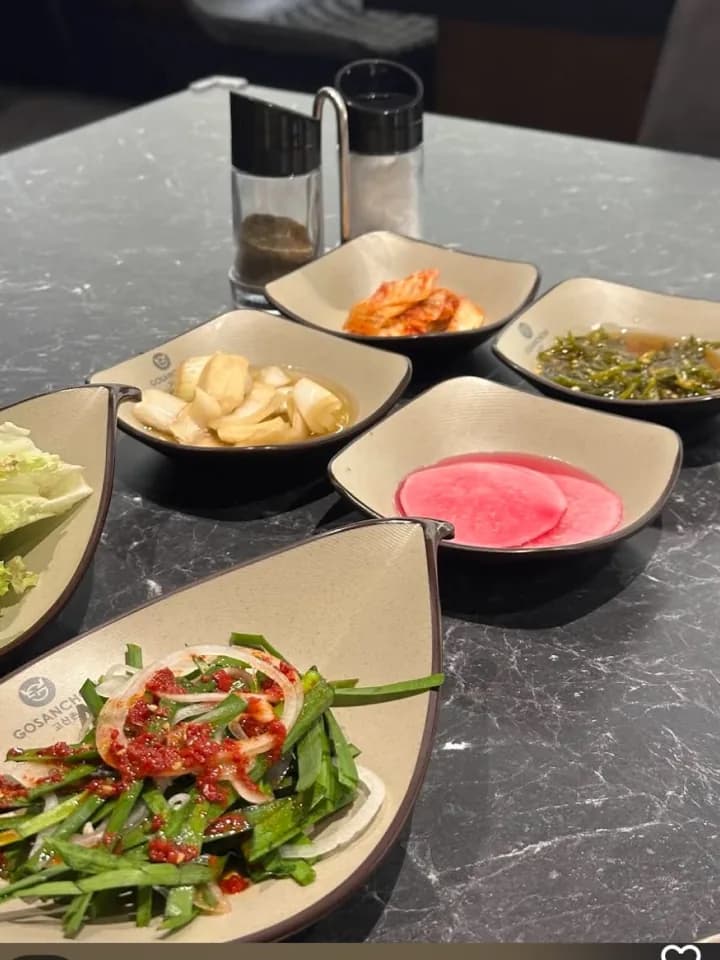
Lay the leaf flat in your palm before adding anything. Beef goes on first, straight off the grill while it's hot. From there, keep it simple: a small amount of rice if you're using it, a touch of a sauce like ssamjang (the thick, savoury dipping paste) or gireumjang (sesame oil and salt), and one or two additions such as a sliver of garlic, a strip of grilled or raw chilli, or a pinch of banchan. The most common mistake is overfilling: a wrap that can't close in one motion usually falls apart the moment you bite it, and too many competing flavours bury the beef instead of framing it.
How to Actually Eat It
Once filled, gather the leaf's edges up and around the filling and eat it in a single bite if you can manage it; a ssam is meant to be popped in whole, not nibbled. This is part of why restraint on filling matters more than variety. A wrap you have to bite in half loses the point of combining everything in one mouthful, and you end up rebuilding the second half anyway.
A Note on Rice
Rice inside a ssam is optional, and whether to include it usually comes down to how the rest of the meal is structured. A small amount of rice tucked in with the beef mellows the wrap and stretches a rich bite further, which suits a long meal with many rounds of beef still to come. Leaving it out keeps the focus entirely on the meat and its accompaniments, which some diners prefer with the richest cuts specifically so nothing dilutes them. Neither choice is more traditional than the other; it's worth trying a ssam both ways early in the meal to see which you prefer before settling into a pattern.
Matching the Wrap to the Cut
A well-marbled cut like ribeye or striploin, already rich with rendered fat, benefits from a wrap that leans toward acidity and crunch rather than more richness, since the beef alone is already the fattiest, most savoury element. A leaner cut, like tenderloin, can carry a slightly richer addition, such as a dab of ssamjang, without becoming heavy. There's no single correct combination, but thinking about what the beef already brings, and building the wrap to complement rather than repeat it, is the difference between a good ssam and a great one.
Every table at GOSANCHON is set up for building ssam around freshly grilled Hanwoo. The experience walks through how a full meal here is meant to be eaten, wrap by wrap.