
The Beef
Butcher Counter Etiquette at a Korean BBQ Restaurant
19 September 2026 · 3 min read
At most restaurants, ordering means picking a name off a menu and trusting the kitchen with the rest. At a butcher's-counter restaurant, the ordering happens in view of the meat itself, and that changes what is expected of a guest. Knowing how the counter works makes the whole meal easier, and better.
The Counter Is the First Course
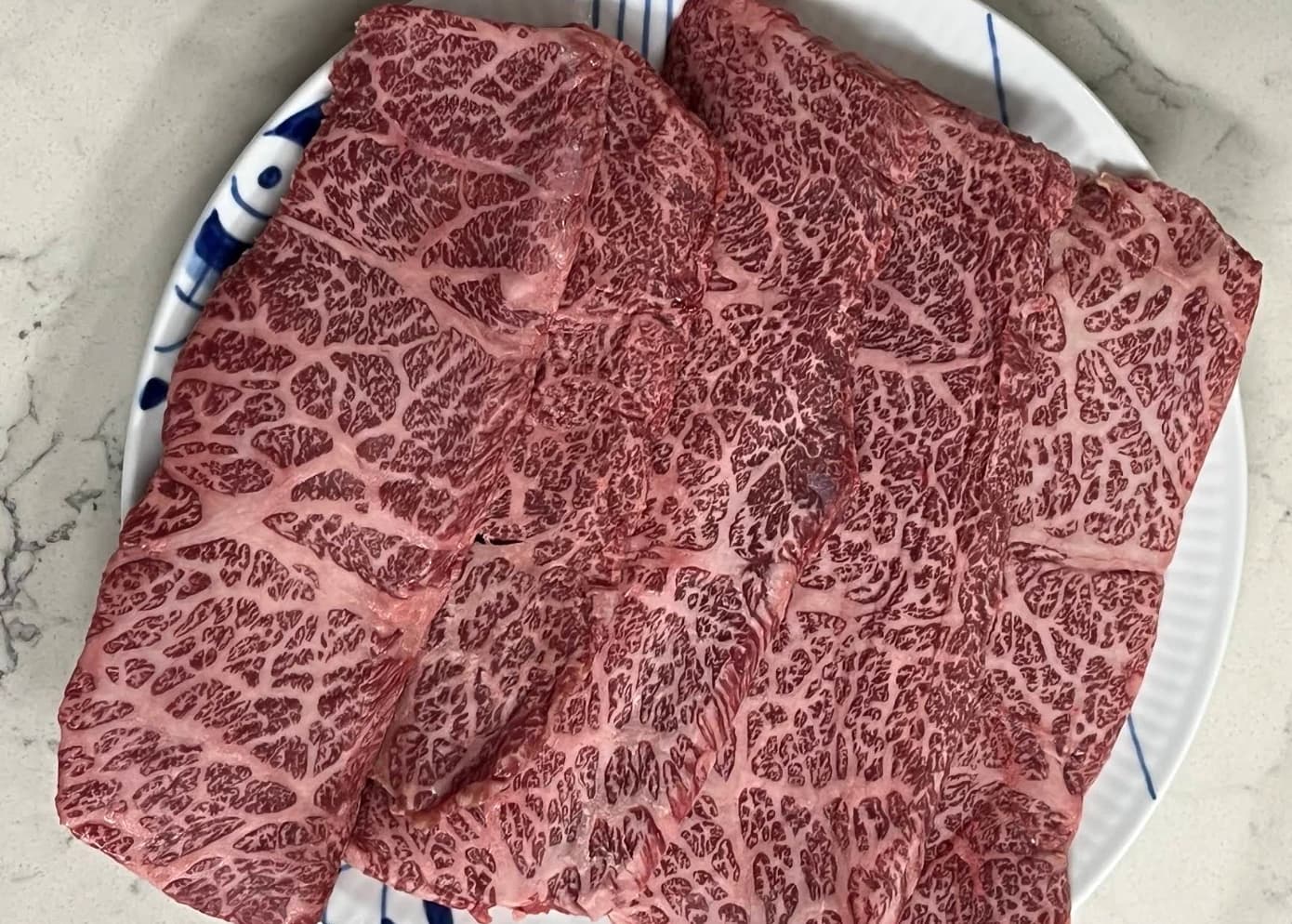
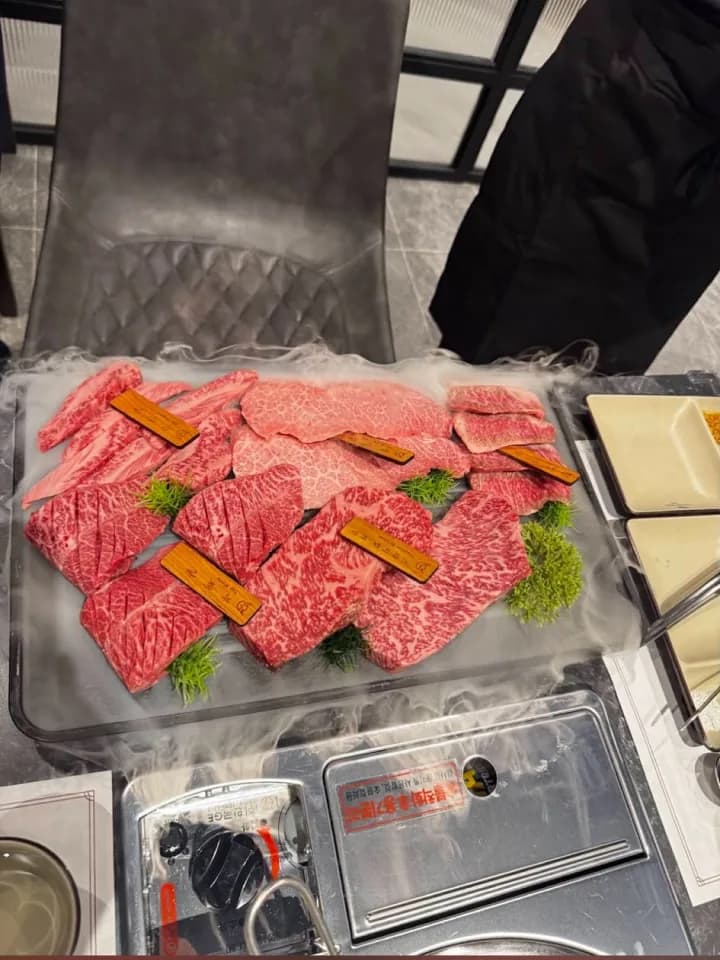
Before anything reaches the grill, it passes through a butcher's counter, where a whole cut of Hanwoo (authentic Korean native beef) sits in a chilled display and is cut to order once a table has chosen it. This is not decoration. It is the actual point of ordering: you are choosing a piece of a specific animal, at a specific thickness, rather than a printed description. There is no wrong way to look at the cabinet for a minute before deciding. That pause is the etiquette, not an interruption to it.
Ask Before You Assume
Cuts at a serious counter vary from table to table because they are cut fresh rather than pre-portioned in bulk. If you are unsure what separates a ribeye from a striploin, or why a smaller cut like outside skirt or hanging tender is priced differently from the larger loin cuts, ask. Staff who work a butcher's counter expect these questions and answer them plainly. There is no better use of the minute before your order goes to the grill than understanding what you are about to eat.
Order in Rounds, Not All at Once
A butcher's-counter kitchen is built around cutting to order, which means beef arrives fresher when it is ordered in stages rather than as one large opening order. Start with one or two cuts, see how the table's appetite runs, and order again. This is standard practice at Korean BBQ tables generally, but it matters more here: freshly cut beef that sits waiting for a slower round of eating loses the qualities that made it worth cutting to order in the first place.
Let the Cut Decide the Pace
Different cuts behave differently on the grill, and a butcher's counter is where that starts. A well-marbled ribeye or striploin wants a hot sear and a short rest; a leaner cut like tenderloin wants gentler heat. Part of the value of ordering by cut, rather than by a generic "beef platter,", is that you can ask the counter or your server which cuts pair well together for how your table likes to eat, whether that means everything seared quickly in succession or one indulgent cut lingered over.
Watching the Weight
Cuts at a butcher's counter are sold by weight, typically in units like 100g, 150g, or 200g, rather than by a fixed plate size. It's normal to watch the scale as a cut is weighed, and just as normal to ask for a smaller or larger portion than the standard listing if your table's appetite calls for it. This is one of the quieter advantages of ordering by weight: two tables can order the same cut in very different quantities without either one feeling like they've ordered wrong. If you're unsure how a weight translates to a plate, asking the counter to describe it in terms of previous orders they've served is a fair question, not an awkward one.
Why the Ritual Matters
A butcher's counter puts the same decision in front of every table that a butcher makes for a private customer: which part of the animal, how much of it, and how thick. Restaurants that build their service around it are choosing transparency over convenience, because pre-portioned trays are simpler to run. The etiquette is really just curiosity, expressed at the right moment: look at the cabinet, ask what you don't know, and order in a way that keeps pace with the table.
At GOSANCHON, every table's beef is chosen at the counter and cut only once it's ordered. The menu lists each cut by name and weight, a useful reference before you arrive.